
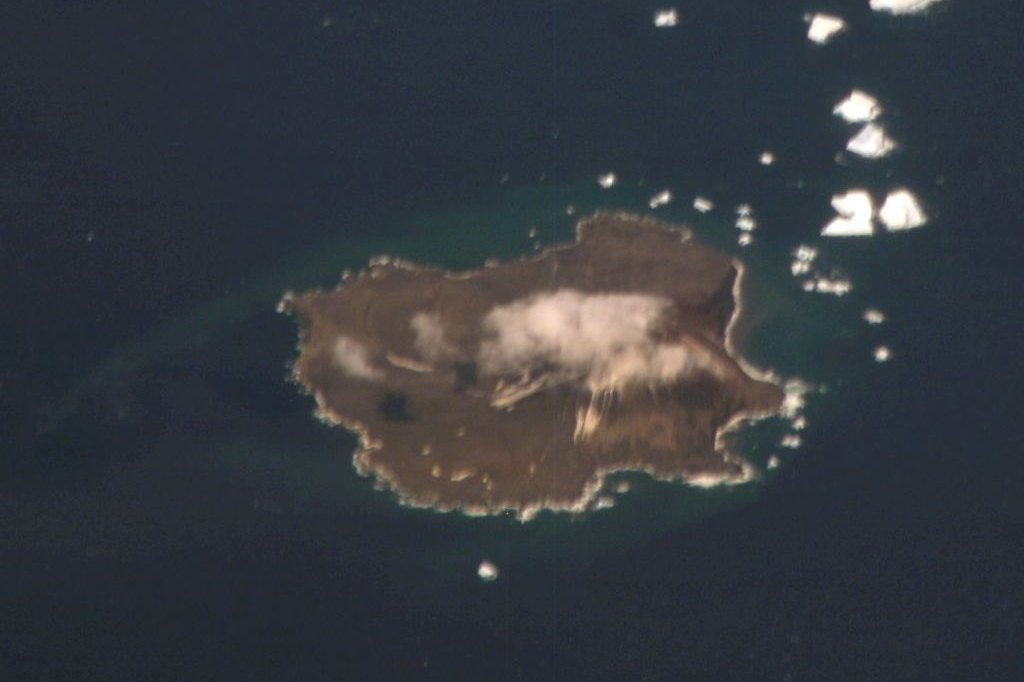
The shallow depth of Tuesday’s magnitude 5.1 earthquake in the South Sandwich Islands region means one thing for certain: the shaking at the surface was stronger than a deeper quake of the same size would have produced. Seismologists classify any event less than 70 kilometres deep as shallow. Tuesday’s quake hit at 35 kilometres.
That puts it squarely in the category where the energy reaches the ground with less attenuation. For a magnitude 5.1, the shaking is moderate.
It can knock items off shelves. It can rattle buildings. Minor to moderate damage is possible near the epicentre.
The U.S. Geological Survey detected the event at 00:15 UTC on June 30 through its real-time global seismic monitoring network. No tsunami warning was issued.
This is a seismically active area. The USGS data shows at least 500 earthquakes of magnitude 5.0 or greater have been recorded within about 300 kilometres of this region over the past two decades. The strongest was a magnitude 7.5 event in 2021.
Tuesday’s quake is not an outlier. It fits a pattern. The tectonic engine here is the South American Plate subducting beneath the smaller Sandwich Plate.
That subduction zone generates frequent earthquakes, many of them shallow and moderate to large in size. The region’s remote location in the southern Atlantic Ocean means populated areas are far from the epicentre.
That limits the potential for damage or casualties. For those in the area, the encouraging part is that earthquakes in the magnitude 5 range rarely cause widespread structural failure. But the event is not over.
Aftershocks are common following an earthquake of this size. Seismologists note they may continue for days or even weeks.
People in the affected area are generally advised to be prepared for further shaking. That is the immediate consequence to watch for. A magnitude 5.1 does not typically trigger a cascade of larger events, but the crust in a subduction zone is under constant stress.
Each adjustment can produce another shock. The practical fallout is limited by geography. The South Sandwich Islands are uninhabited except for a small research station.
No major cities sit nearby. The nearest populated landmass is likely the Falkland Islands, hundreds of kilometres to the west.
Shipping lanes pass through the region, but a moderate earthquake at sea rarely disrupts surface vessels. The real consequence is data. Each event adds to the seismic record.
The USGS network logged this one. It will log the aftershocks too.
For seismologists, the pattern matters more than any single event. The 500 quakes of magnitude 5.0 or greater in the last two decades show a steady release of energy. The 2021 magnitude 7.5 was a major rupture.
Tuesday’s 5.1 is a smaller adjustment along the same boundary. The subduction zone continues to move. The plates continue to grind.
The earthquakes will keep coming. The advice for anyone in the area is straightforward: stay alert for aftershocks.
They may arrive in minutes. They may arrive in weeks. The shaking from a 5.1 is unlikely to cause panic, but it is a reminder that the ground in this part of the world is never still.
The USGS will track it all. The region will keep shaking.
That is the only certainty.




