
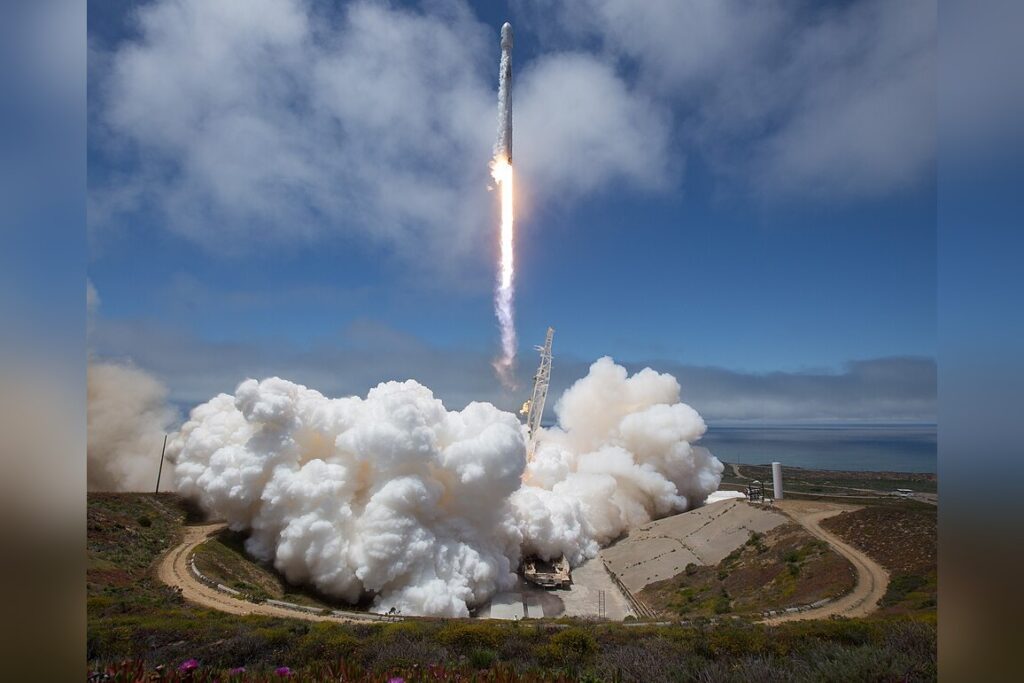
A new White House memo, signed by President Donald Trump on August 19, aims to reshape America’s role in space by mandating over 1,000 launches and reentries annually by 2030. The directive, reported by Reuters and relayed through outlets like Yahoo News UK and Devdiscourse, prioritizes private-sector expansion in satellite deployment and robotic exploration of Mars. For disaster monitoring advocates, the figure isn’t just a headline: it signals a potential revolution in how quickly Earth-observation satellites can be launched, replaced, or repositioned to track hurricanes, wildfires, and floods.
The memo’s core thrust is to treat space as a commercial utility, not a government monopoly. By opening federal land to launch operations and encouraging private firms to lead, the administration hopes to make rockets and reentry systems a routine, scalable service.
This shift matters because today’s disaster-response satellites often face delays in replacement. A single malfunction or aging orbit can leave gaps in critical data. With a higher launch cadence, operators could quickly deploy redundant satellites, ensuring continuous coverage in vulnerable regions.
The memo doesn’t mention specific satellites or disasters, but its focus on volume implies a structural change—one that could make near-real-time hazard data more accessible.
Commercial Expansion, Not Just Government Projects
Under Trump’s plan, federal agencies would leverage their land to host private launch operations. This isn’t just about rockets; it’s about redefining who controls access to space. Currently, many launches are state-run or heavily regulated.
The memo aims to inject competition, potentially lowering costs and accelerating timelines. For disaster monitoring, this could mean more satellites in orbit at any given time, each equipped to capture imagery or sensor data.
A single storm or wildfire could trigger a rapid response: a constellation of satellites, refreshed frequently, painting a clearer picture of the threat. Reentries are another piece of the puzzle. The memo’s target includes not just launches but controlled deorbiting of old satellites.
Space debris is a growing concern, and removing defunct equipment helps protect active missions. For Earth-observation satellites, this is vital.
A debris field could damage a critical sensor network, rendering it useless during a crisis. By ensuring old satellites don’t linger, the policy aims to safeguard the very tools that monitor disasters. While the memo doesn’t name companies or specific Mars robots, its emphasis on private-sector leadership is clear.
Firms could dominate the launch market. This shift could democratize access to space, allowing smaller organizations or developing nations to secure satellite services. For disaster-prone areas, this might translate to faster deployment of monitoring tech in regions that previously couldn’t afford it.
What This Means for Disaster Response
The link between launch numbers and disaster monitoring isn’t automatic, but the memo’s ambition sets the stage. More satellites mean more data points, more frequent updates, and potentially better predictive models. For example, a hurricane’s path could be tracked with near-continuous imagery if satellites are replaced swiftly.
Wildfire hotspots might be detected earlier if sensors are regularly refreshed. The memo doesn’t promise specific outcomes, but it creates the infrastructure to make them possible.
Critics, however, question whether 1,000 annual launches is feasible or safe. Environmental groups warn of increased space traffic and potential risks to orbital slots. Others argue that commercial focus could divert resources from public-sector missions.
The White House hasn’t addressed these concerns directly, but the memo’s language suggests a belief that private innovation will solve these challenges. For now, the focus remains on the numbers and the technology they enable.
By 2030, the U.S. could be a leader in both commercial space and disaster resilience. The memo’s success will depend on execution—can private firms scale up without compromising safety? Will the increased launch activity translate to real-world benefits for climate monitoring?
For now, the numbers are clear: a dramatic rise in launches. What happens next will shape not just space policy, but how the world prepares for natural disasters.




