
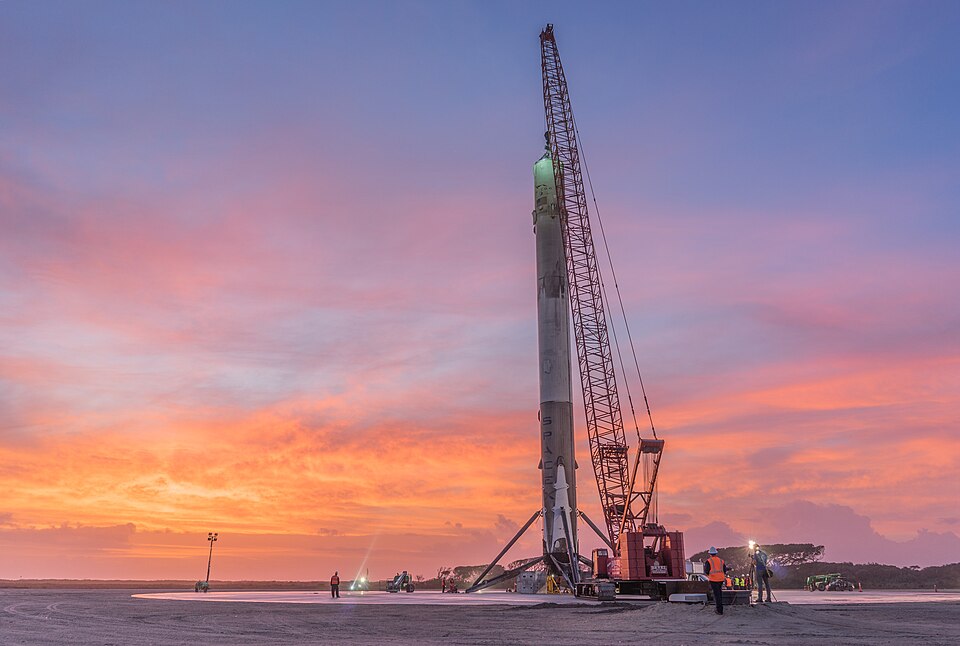
CITY, August 21 — The U.S. space launch industry stands at a crossroads, with President Donald Trump’s new directive aiming to catalyze a surge in commercial space activity. The White House has set an ambitious target of more than 1,000 launches and reentries annually by 2030, a goal that could reshape the nation’s space economy and the data infrastructure tethered to it. This move, framed as a “new American space blitz” by Reuters, accelerates the pace of satellite deployments and satellite-based services, including those critical to streaming media and telecommunications.
The directive’s impact hinges on how quickly the industry adapts. With fewer regulatory barriers, companies may accelerate launch schedules, potentially hitting the 2030 target.
This would mean a dramatic increase in satellites—each contributing to a continuous flow of data. For streaming platforms, this could translate to enhanced global coverage and lower latency, as more satellites orbit closer to Earth. However, the surge also demands upgrades to ground-station networks and software systems designed to handle high-bandwidth feeds.
The cost and technical challenges of scaling this infrastructure remain unaddressed in the memo, leaving a critical gap in the plan.
Data Infrastructure Faces a Growing Demand
Commercial launch providers and satellite operators stand to benefit from the deregulation, but the data ecosystem they rely on is less certain. Companies like SpaceX and Blue Origin, which have already expanded their launch capabilities, may see increased demand for their services. However, the success of this “space blitz” depends on collaboration between launch providers and data infrastructure providers.
The memo does not mention partnerships or funding for upgrading ground stations or data centers, a silence that could signal either oversight or a deliberate focus on launch activity over downstream effects.
Implications for Streaming and Beyond
The broader deregulatory push reflects a strategic shift in U.S. space policy. By prioritizing commercial launches, the administration aims to stimulate private-sector innovation and reduce reliance on government-led programs. This aligns with Trump’s broader agenda of deregulation and economic expansion.
However, critics argue that removing regulatory safeguards could compromise safety or environmental standards. While the memo does not mention these concerns, the potential trade-offs between speed and oversight remain a point of debate.
For now, the focus is on achieving the 2030 target, with data infrastructure considerations appearing secondary. The next phase will depend on industry response. Will companies rush to meet the 2030 goal, or will technical and financial barriers slow progress?
The answer could determine whether the U.S. becomes a leader in space-based data or faces a bottleneck in its ambitions. As the launch count climbs, so too will the demand for the systems that make space data useful—systems that must evolve or risk becoming obsolete.
{“@context”: “https://schema.org”, “@type”: “NewsArticle”, “headline”: “Space Launch Expansion Could Affect Streaming Media Infrastructure”, “description”: “CITY, August 21 — The U.S. space launch industry stands at a crossroads, with President Donald Trump’s new directive aiming to catalyze a surge in…”, “datePublished”: “2026-08-21T09:30:00+00:00”, “author”: {“@type”: “Person”, “name”: “Ava Anderson”}, “publisher”: {“@type”: “Organization”, “name”: “InfoPulse Today”, “url”: “https://newsfeed.2bme.xyz/”}}




