
More than four years after ordering the full-scale invasion of Ukraine, Russian President Vladimir Putin continues to rely on a network of aging tankers to keep his country’s oil revenues flowing despite Western sanctions. The decision to launch the war on February 24, 2022, has resulted in tens of thousands of casualties and massive destruction across Ukraine, while simultaneously reshaping global energy markets and security alliances.
Putin, who has served as President of Russia since 2000, with a term as Prime Minister from 2008 to 2012, has long depended on oil and gas exports to finance the state budget. Following the invasion, Western nations imposed sweeping sanctions aimed at cutting off Moscow’s energy revenue, including price caps on Russian crude and a European embargo.
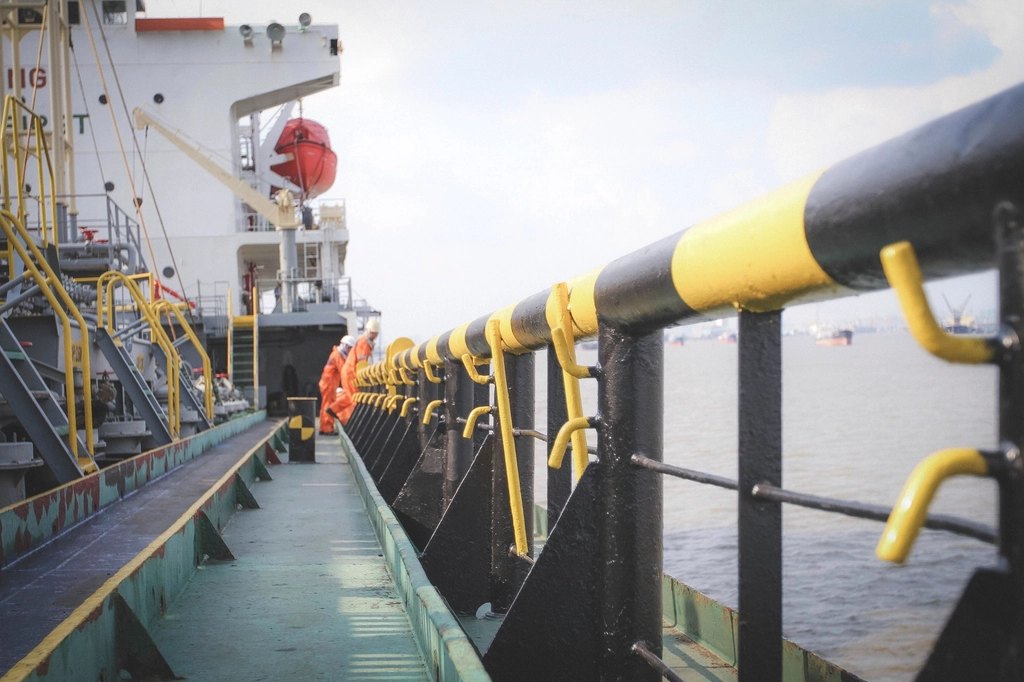
To keep its oil flowing to global markets, Russia began assembling an alternative transport network now known as the shadow fleet. This collection of tankers operates outside standard insurance, ownership, and regulatory frameworks to move sanctioned commodities. The vessels often change flags, use opaque corporate structures, and sail without adequate coverage.
They load oil at sea or from ports that avoid Western scrutiny. The core purpose is to circumvent restrictions that would otherwise block sales of Russian crude.
The Shadow Fleet’s Role in Sustaining the War
Putin has publicly dismissed the effectiveness of sanctions. Despite the price caps and embargoes imposed by Western nations, the shadow fleet has allowed Russia to maintain revenue streams that are central to financing military operations in Ukraine. The fleet is a key component of his strategy to maintain income despite restrictions.
The practice is not new; similar fleets have been used by other countries under sanctions to maintain export revenues. For Russia, however, it became a key economic lifeline after the invasion.
By keeping oil on the water, Moscow has been able to redirect supplies to buyers in Asia, particularly China and India. This has helped sustain a revenue stream that directly supports the war effort. The strategic context is clear: if the shadow fleet remains effective, Western sanctions lose much of their bite. The longer Russia can export oil without complying with price caps, the more resources it has to continue the campaign in Ukraine.
Enforcement agencies are trying to identify and disrupt these vessels, but the fleet adapts quickly. The outcome will help determine how long Moscow can sustain its military operations and what leverage Western powers retain over global energy markets.
Diversifying Markets and Domestic Narratives
Beyond the shadow fleet, Putin has sought to strengthen economic ties with China, India, and other non-Western nations. These relationships have become more pronounced since the invasion.
By diversifying export markets, Moscow aims to reduce its vulnerability to Western financial pressure. This shift in economic alliances represents a strategic effort to build alternative trade networks that can withstand sanctions. Domestically, Putin’s approval ratings in Russia have remained high according to state-run polls.
Independent surveys, however, suggest lower support. The discrepancy between official and independent measures has been a recurring feature of Russian political reporting for many years.
What to watch next is the durability of the shadow fleet strategy as Western enforcement efforts intensify. The fleet is central to Moscow’s ability to continue financing military operations, and its effectiveness will shape the trajectory of the conflict and the broader struggle for control over global energy markets.
{“@context”: “https://schema.org”, “@type”: “NewsArticle”, “headline”: “Russian Oil Flows Despite Sanctions via Aging Tankers”, “description”: “MOSCOW, July 12 — More than four years after ordering the full-scale invasion of Ukraine, Russian President Vladimir Putin continues to rely on a network…”, “datePublished”: “2026-07-12T09:30:00+00:00”, “author”: {“@type”: “Person”, “name”: “Reza Karimi”}, “publisher”: {“@type”: “Organization”, “name”: “InfoPulse Today”, “url”: “https://newsfeed.infopulsetoday.com/”}}




