
LISBON, July 8 — Against this backdrop of a world still charting its own uncertain seas, the legacy of Ferdinand Magellan endures as a reminder of the audacity and cost of the first circumnavigation of the globe. The Portuguese explorer, who died in 1521, never completed the voyage he set in motion. Sailing for Spain, Magellan departed Seville on August 10, 1519, with five ships and about 270 men.
The expedition’s purpose was to reach the East Indies. What unfolded instead was a three-year ordeal that would reshape the European understanding of the world.
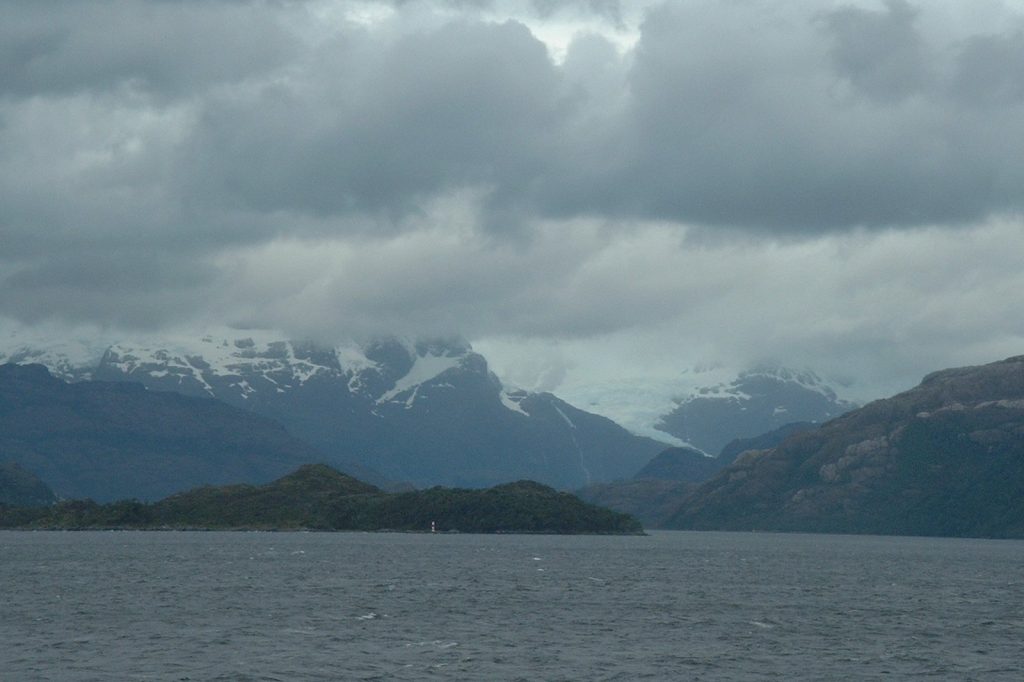
In October 1520, Magellan achieved a breakthrough that had eluded mariners for decades. Navigating the southern tip of South America, he became the first European to sail from the Atlantic into the Pacific Ocean, discovering the passage now known as the Strait of Magellan. It was a feat of seamanship that opened a new maritime corridor.
The vast ocean beyond the strait struck the explorer with its apparent calm. Magellan named it the Pacific, meaning ‘peaceful sea.’ The name, however, belied the immense distances and hardships that lay ahead.
The Battle That Ended an Era
Magellan’s own journey ended on April 27, 1521, on the shores of Mactan in the Philippines. He was killed in battle there. The man who had conceived the great circumnavigation would never see its conclusion.
What is at stake in the historical record is not merely the tale of one man’s ambition, but the wider picture of how European powers of the 16th century — Portugal and Spain in particular — competed for control of global trade routes. Magellan, a Portuguese explorer serving the Spanish crown, embodied that rivalry.
The Return of the Victoria
After Magellan’s death, command of the expedition fell to Juan Sebastián Elcano. It was Elcano who completed the circumnavigation, guiding the lone surviving ship, the Victoria, back to Spain on September 6, 1522. Of the original five vessels and about 270 men, only one ship and 18 sailors returned.
In the corridors of history, the voyage is remembered for two monumental proofs. First, it demonstrated conclusively that the Earth was round.
Second, it revealed the staggering size of the Pacific Ocean. The cost in human life was staggering. More than 250 men perished from starvation, disease, violence, and shipwreck.
The survivors returned carrying knowledge that would redraw the maps of Europe. For modern readers, the story of Magellan and Elcano is not simply a chapter in the age of sail.
It is a narrative about the price of discovery, the politics of empire, and the thin line between triumph and catastrophe.
{“@context”: “https://schema.org”, “@type”: “NewsArticle”, “headline”: “Ferdinand Magellan’s Voyage: First Around the Globe”, “description”: “LISBON, July 8 — Against this backdrop of a world still charting its own uncertain seas, the legacy of Ferdinand Magellan endures as a reminder…”, “datePublished”: “2026-07-08T09:30:00+00:00”, “author”: {“@type”: “Person”, “name”: “Beatrice Bianchi”}, “publisher”: {“@type”: “Organization”, “name”: “InfoPulse Today”, “url”: “https://newsfeed.infopulsetoday.com/”}}




