
MANILA, July 8 — When historian Alfred W. Crosby coined the term “Columbian Exchange” in 1972, he gave a name to a process that had already reshaped the world for nearly five centuries. It began with Christopher Columbus’s voyages starting in 1492.
What followed was not merely an exchange. It was a fundamental remaking of global agriculture, human populations, and entire ecosystems.
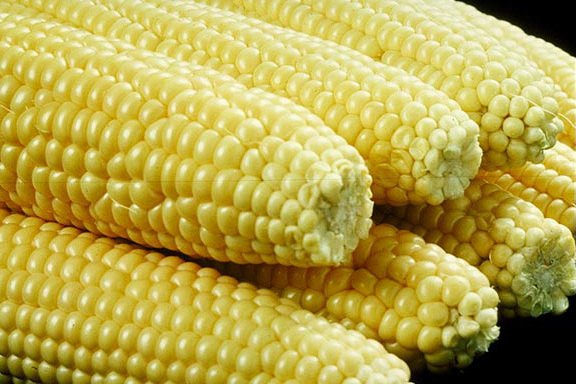
The transfer moved in both directions across the Atlantic. From the Americas to Europe, Asia, and Africa came maize, potatoes, tomatoes, tobacco, and cacao. From the Old World to the Americas traveled wheat, rice, sugarcane, horses, cattle, and sheep.
Disease and Demographic Collapse
The exchange carried devastation alongside crops and livestock. Smallpox, measles, and influenza crossed from the Old World to the Americas. Native Americans had no immunity to these diseases.
The result was catastrophic. In some areas, the indigenous population declined by an estimated 90 percent over the course of the 16th century.
That demographic collapse reshaped entire societies across the Americas.
Forced Migration and Labor
The Columbian Exchange also involved the forced migration of enslaved Africans. This began in the early 1500s. Enslaved people were transported to work on plantations in the Americas.
Sugarcane, brought from the Old World, became a central crop in this system. The exchange was not limited to biology.
Technology, culture, and human populations all moved across the Atlantic. Horses, cattle, and sheep changed landscapes and economies in both the Americas and the Old World. The Columbian Exchange is not a finished event.
Its consequences continue to unfold. Global agriculture still relies on crops that crossed the Atlantic centuries ago.
Potatoes from the Americas feed people across Europe and Asia. Tomatoes from the Americas are central to Italian cuisine. Historians continue to study the Columbian Exchange as a model for understanding how interconnected global systems can produce both opportunity and catastrophe.
The diseases, the forced migrations, the new crops — all of it remains relevant as the world grows more connected once again.
{“@context”: “https://schema.org”, “@type”: “NewsArticle”, “headline”: “Columbian Exchange post-1492 reshaped global ecology”, “description”: “MANILA, July 8 — When historian Alfred W. Crosby coined the term “Columbian Exchange” in 1972, he gave a name to a process that had…”, “datePublished”: “2026-07-08T09:30:00+00:00”, “author”: {“@type”: “Person”, “name”: “Merry Gel Sigui”}, “publisher”: {“@type”: “Organization”, “name”: “InfoPulse Today”, “url”: “https://newsfeed.infopulsetoday.com/”}}




