
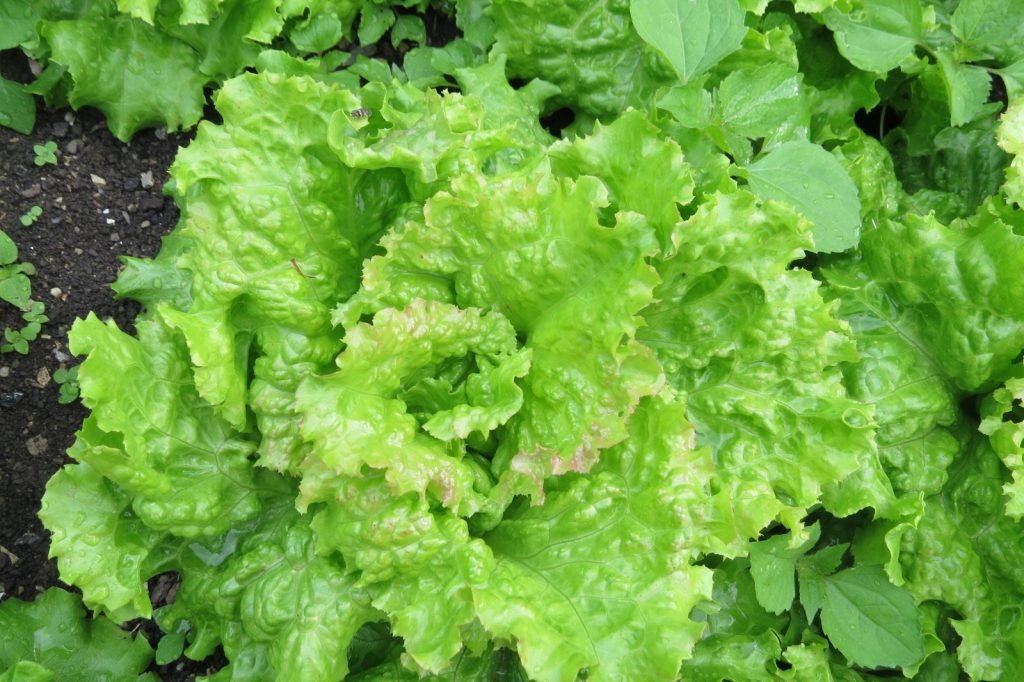
The ancient domestication of lettuce began not for the leafy greens seen in modern salads, but for its oil-bearing seeds. Historical records show that ancient Egyptians were the first to cultivate the plant for this purpose before developing it as a leaf crop. From Egypt, the plant spread to the Greeks and then to the Romans, who gave it the Latin name lactuca—derived from lac, meaning milk—in reference to the milky latex that exudes from cut stems.
By 50 AD, Roman writers already described multiple types of lettuce, and the plant later appears in medieval European herbals. Between the 16th and 18th centuries, European farmers developed numerous varieties, some of which survive in cultivation today.
The plant now known as Lactuca sativa was first formally described by Carl Linnaeus in 1753 in his Species Plantarum. It is an annual plant of the daisy family Asteraceae, grown primarily as a leaf vegetable. The species is native to a broad belt stretching from the Mediterranean basin to Siberia, and its leaves come in a range of colors including green, red, variegated, yellow, gold, and blue-teal.
Modern breeders have broadened the lettuce genome by crossbreeding it with wild relatives such as Lactuca serriola.
Biological Vulnerabilities and Food Safety Risks
Lettuce requires low temperatures to prevent early flowering and is susceptible to nutrient deficiencies, pests, and diseases including fungal and bacterial infections, according to agricultural sources. These biological vulnerabilities are compounded by the plant’s primary use: it is almost always eaten raw, without cooking that would kill pathogens.
That direct link from field to fork means contaminated lettuce is a frequent source of bacterial outbreaks—particularly E. coli and Salmonella—as well as viral and parasitic infections. The scale of global cultivation and trade makes lettuce a recurring problem for food safety authorities. In 2023, world production of lettuce and chicory reached 28 million tonnes, with China accounting for 53 percent of that total, according to international production data.
The crop is grown on every inhabited continent, transported long distances, and often handled by multiple supply chains before reaching a consumer’s plate. The combination of an ancient history, a wide native range, modern crossbreeding efforts, and a consumption pattern that skips the kill-step of heating all converge on a single unwelcome result: periodic, often widespread, outbreaks of illness tied to the humble lettuce leaf.
The Persistent Challenge of E. coli
Escherichia coli is a bacterium that lives in the lower intestine of warm-blooded organisms. Most strains are harmless; some even benefit their hosts by producing vitamin K or preventing colonization by harmful bacteria, a mutualistic relationship. But a few serotypes, such as EPEC and ETEC, are pathogenic and can cause serious food poisoning. The bacterium is expelled into the environment through feces, and fecal-oral transmission is the primary route for disease. Pathogenic strains can contaminate food, particularly raw produce grown with manure or irrigated with contaminated water, and lettuce—often consumed without cooking—is a frequent vehicle.
The organism was first identified in the late 19th century by pediatrician Theodor Escherich. Since then, E. coli has become the most intensively studied prokaryotic model organism, essential for biotechnology and recombinant DNA research. Under favorable conditions it reproduces rapidly. Pathogenic E. coli persists as a public health challenge because of its ability to contaminate fresh produce across global supply chains; outbreaks tied to leafy greens regularly prompt product recalls. While the bacterium survives only a limited time outside a host, research indicates some strains can persist longer in soil or water. For consumers,
{“@context”: “https://schema.org”, “@type”: “NewsArticle”, “headline”: “Ancient Egyptians first grew lettuce for oil, not salad leaves”, “description”: “TEHRAN, July 18 — The ancient domestication of lettuce began not for the leafy greens seen in modern salads, but for its oil-bearing seeds. Historical…”, “datePublished”: “2026-07-18T09:30:00+00:00”, “author”: {“@type”: “Person”, “name”: “Maria Romano”}, “publisher”: {“@type”: “Organization”, “name”: “InfoPulse Today”, “url”: “https://newsfeed.infopulsetoday.com/”}}




