
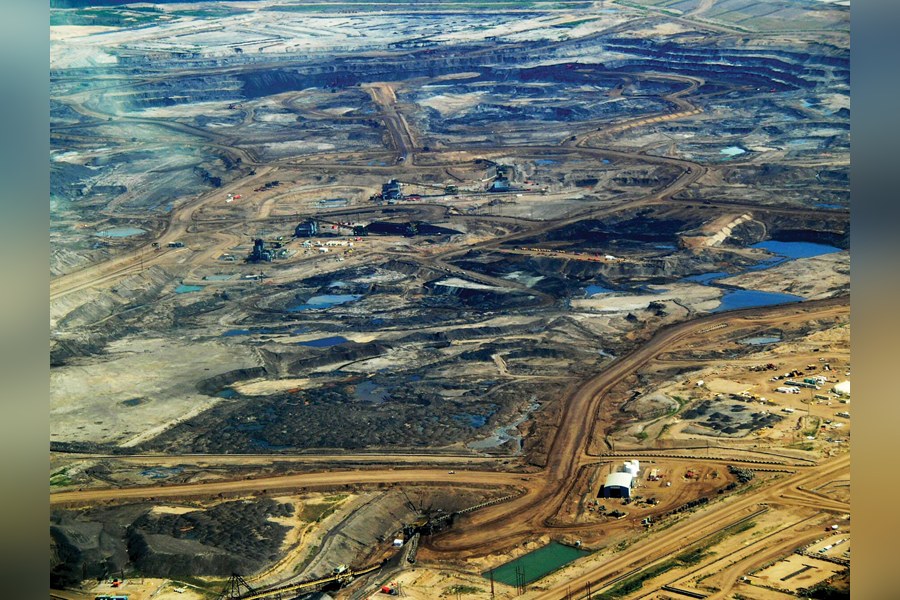
EDMONTON, July 19 — Canada’s oil sands, holding roughly 158.9 billion barrels of proven reserves, have long been a North American energy fixture, but the geography of their market is about to get a fresh look. A new east-west pipeline proposal now being debated in political and industry circles would, if built, reroute Alberta crude toward Quebec and New Brunswick, breaking a decades-old pattern of near-total reliance on the United States. As ever with large-diameter pipelines, the technical reality is intricate.
The country’s current trunk lines — the Keystone XL system and Enbridge’s Mainline — were designed to move oil south, toward American refineries. That made sense for a seller that saw the United States buy 63.4 percent of all Canadian oil exports.
But the arrangement also created a structural bottleneck: Canadian crude producers had limited pipe capacity to reach domestic refineries in eastern Canada or tidewater ports for overseas tanker loading. Under the hood, that capacity constraint has repeatedly depressed the price Western Canadian Select commands relative to West Texas Intermediate, and has sparked years of regulatory wrangling over cross-border projects.
A long-standing pipeline gap
The detail that matters most is that refineries in Quebec and New Brunswick currently rely on imported crude from overseas — partly because no dedicated conduit from the west has been built to serve them. The proposed east-west pipeline would address that gap, potentially redirecting Albertan bitumen and synthetic crude to those facilities. For Ottawa, the strategic prize is simple: reduce Canada’s singular dependence on the U.S. market.
For the provinces west of Ontario, it means access to a second customer base. For eastern Canada, the prospect of domestic supply could displace seaborne imports from places like Saudi Arabia and the North Sea.
That shift would not come cheap or easy. The new pipeline proposal still faces the same thicket of provincial approvals, federal environmental assessments, and Indigenous consultation that have snagged previous projects. Enbridge’s Mainline reversal and the Trans Mountain expansion each took years to navigate.
The technical reality of moving diluted bitumen through the Canadian Shield is not for the faint of engineering interest.
Reserves and market geography
Canada holds the third-largest oil reserves in the world, the vast majority in Alberta’s oil sands. The United States has been the dominant customer for decades. That close energy relationship has shaped everything from pipeline routing to refinery upgrades in the Midwest.
But the new east-west proposal marks a deliberate strategic pivot: away from a single buyer and toward a more diversified export profile that includes both domestic eastern refineries and tanker access to global markets from ports in Saint John, New Brunswick, or elsewhere on the Atlantic coast. Energy geography is stubborn.
The political debate over pipeline direction — south versus east versus west — has been a recurring feature of Canadian federal elections and regulatory hearings for the better part of two decades. The new east-west pipeline proposal is, in that sense, not a novelty but the latest iteration of a long-running conversation about connecting the country’s energy-rich west with its consuming east, a dynamic that has repeatedly sparked heated debate and legal battles. Whether this iteration achieves regulatory and financial clearance remains to be seen.
The detail that will matter most is whether the economics of tolls and throughput can overcome the same obstacles that have stymied earlier efforts.
Sources
{“@context”: “https://schema.org”, “@type”: “NewsArticle”, “headline”: “Canada’s oil reserves and U.S. market reliance explored”, “description”: “EDMONTON, July 19 — Canada’s oil sands, holding roughly 158.9 billion barrels of proven reserves, have long been a North American energy fixture, but the…”, “datePublished”: “2026-07-19T09:30:00+00:00”, “author”: {“@type”: “Person”, “name”: “Sebastian Smith”}, “publisher”: {“@type”: “Organization”, “name”: “InfoPulse Today”, “url”: “https://newsfeed.infopulsetoday.com/”}, “citation”: [{“@type”: “CreativeWork”, “url”: “https://en.wikipedia.org/wiki/Alberta_oil_sands”}]}




