
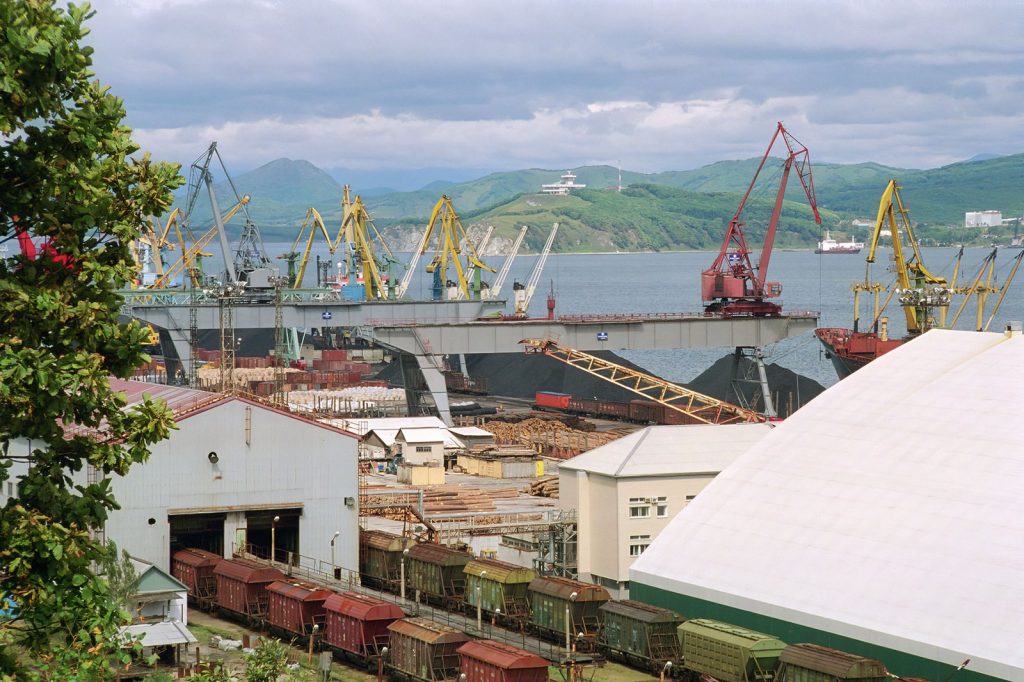
Russia, the world’s third-largest oil producer, is navigating a fundamental reordering of its energy export model as Western measures and battlefield disruptions combine to erode the value of every barrel it sells. The European Union’s embargo on seaborne Russian crude oil, effective December 5, 2022, and its parallel ban on petroleum products from February 5, 2023, were designed to cut Moscow’s revenue from its most lucrative trade. The Group of Seven added a financial ceiling on December 5, 2022, setting a $60 per barrel cap on Russian crude.
Moscow’s response has been a sharp eastward turn in its oil flows.
From European Markets to Asian Buyers
For decades, European nations were the dominant destination for Russian oil, served by pipelines and short sea routes that kept transport costs low. Moscow built its federal finances around steady energy sales abroad, with oil and gas forming a large part of state income.
After the 2022 invasion of Ukraine, Western restrictions marked a sharper break than earlier sanctions following the 2014 annexation of Crimea, which had targeted some firms and individuals but left broad oil trade intact. The new measures cut seaborne flows to Europe and imposed a foreign price limit. Russia redirected its crude eastward.
Chinese imports of Russian crude averaged 2.1 million barrels per day in 2023, while Indian imports averaged 1.8 million barrels per day. Those two countries became Russia’s largest oil buyers in 2023, effectively replacing the European market that had long been Moscow’s primary customer.
The shift reorders the global oil map: Asian buyers now take volumes once bound for the West, and every shipment to India or China involves longer voyages and additional costs that reduce net revenue. Buyers in New Delhi and Beijing, aware of Moscow’s constrained options, have demanded discounts on the benchmark price.
The Refinery Toll
Ukrainian drone strikes on refineries have added a separate pressure point. In the first half of 2024, Russian refinery runs fell by about 5% compared to the same period in 2023, partly due to damage from drone attacks. That reduction in domestic processing capacity means Russia is exporting more crude oil rather than refined products like diesel or gasoline, which typically fetch higher prices on international markets.
Crude oil is a lower-margin product than refined fuels. By being forced to sell more crude and less refined product, Russia is effectively leaving money on the table.
Russia emerged as a major global oil supplier during the late Soviet era and expanded output through the post-Soviet period as new fields opened and old infrastructure was repaired. With average daily production of 10.5 million barrels in 2023, the country is still pumping at scale. Oil and gas revenues accounted for approximately 30% of Russia’s federal budget in 2023, totaling about $180 billion. The G7 price cap is designed to keep Russian crude trading below $60 per barrel.
Every drone strike on a refinery, every additional day of shipping to India or China, every discount demanded by buyers — these are small cuts that add up.
Revenue Under Pressure
The Kremlin can still sell its oil, but it is selling it cheaper, in less valuable forms, to customers who know they have leverage. The refinery damage and redirected trade change what Russia can sell and at what margin, with effects on prices and supply far beyond the region.
What to watch next is whether the refinery damage accelerates. If Ukrainian drone strikes continue to degrade domestic processing capacity, Russia will be forced to export even more crude oil, further compressing its revenue per barrel. That dynamic, layered on top of the price cap and the longer supply routes to Asian markets, steadily narrows the financial cushion Moscow has long relied on to fund its federal budget.
Western sanctions after the 2014 Crimea annexation had targeted some firms and individuals but left broad oil trade intact. The measures imposed after the 2022 invasion marked a sharper break, cutting seaborne flows to Europe and adding a foreign-imposed price limit.
The shift matters now because readers face a reordered global oil map where Asian buyers take volumes once bound for the West. Refinery damage and redirected trade change what Russia can sell and at what margin, with effects on prices and supply far beyond the region.




