
NEW YORK, July 2 — When we look up and see something dart across the sky, most of us assume it’s a bird. But the truth is far more interesting, and it turns out nature has found many ways to take to the air. The answer to whether anything other than birds can fly is a resounding yes.
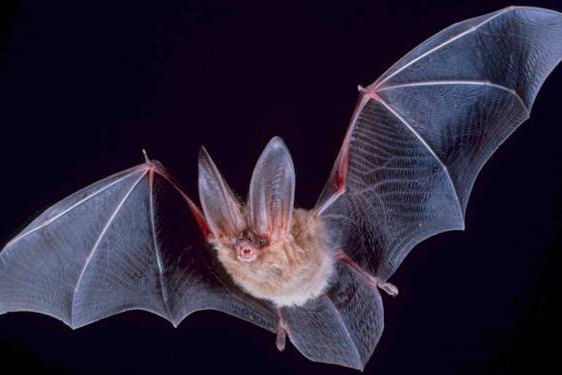
Insects, bats, and even some mammals have evolved the remarkable ability of flight, demonstrating that the skies belong to far more than just our feathered friends. Bats are the only mammals capable of true, sustained flight.
Their wings are actually modified hands, with a thin membrane of skin stretched between elongated finger bones. This gives them incredible maneuverability in the air, allowing them to chase down insects with precision that birds often can’t match. Insects were the very first creatures to evolve flight, and they did it hundreds of millions of years before birds or bats ever appeared.
Their wings are not modified limbs but entirely separate structures that develop from the insect’s exoskeleton. This unique design means insect flight works on completely different aerodynamic principles than the flight of birds or bats.
Then there are the gliders. Flying squirrels, flying frogs, and flying snakes don’t truly fly in the way birds or bats do, but they can travel impressive distances through the air. Flying squirrels use a membrane called a patagium that stretches between their front and back legs, turning them into living parachutes.
Flying snakes flatten their bodies and undulate as they glide, allowing them to travel from tree to tree in the forests of South and Southeast Asia. What this means for anyone who has ever watched a dragonfly hover or a bat swoop at dusk is that flight is not a single invention of nature. It has evolved independently at least four separate times: once in insects, once in pterosaurs, once in birds, and once in bats.
Each time, evolution found a different solution to the same problem of getting off the ground. Looking ahead, researchers continue to study these varied forms of flight, hoping to unlock secrets that could inspire new drone designs or help us understand how flight first evolved.
The skies above us are busier and more diverse than we often give them credit for.




