
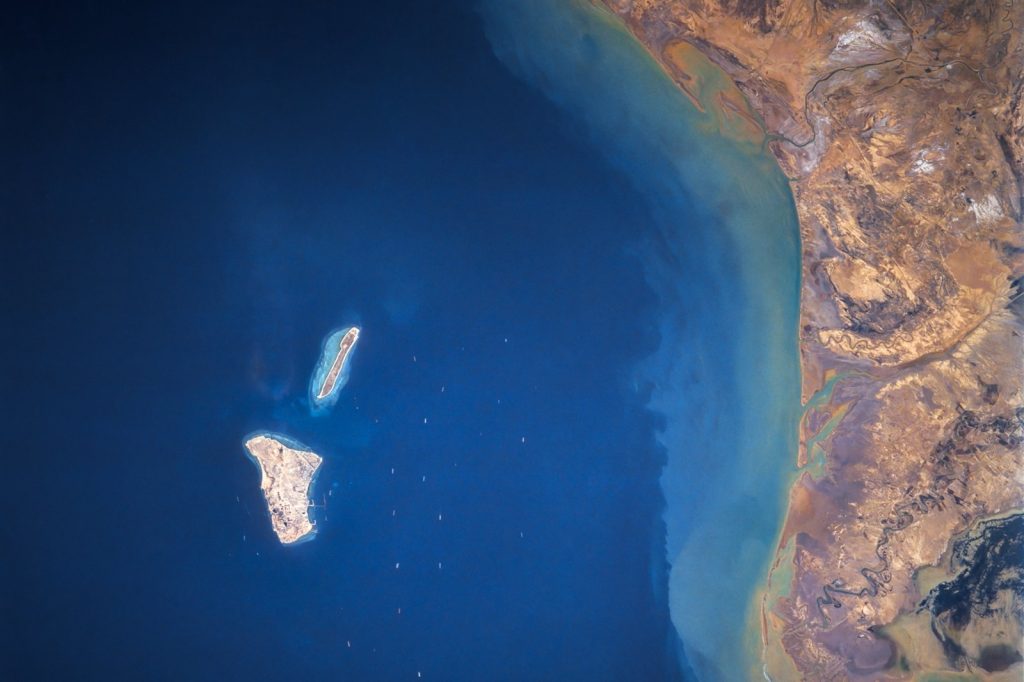
TEHRAN, July 11 — The empty lanes of the oil terminal tell the story. Where tankers once queued for days to load Iranian crude, the berths sit idle under the summer sun. The United States sanctions regime, now in its third decade against Iran, has hollowed out what was once the lifeblood of this nation’s economy.
The numbers, stark as they are, trace the arc of collapse. According to the U.S. Energy Information Administration, Iran’s oil exports fell from 2.5 million barrels per day in 2018 to about 400,000 barrels per day by 2020.
That drop followed the Trump administration’s decision in 2018 to withdraw from the Joint Comprehensive Plan of Action and reimpose sanctions on Iranian oil exports. The Iran Sanctions Act of 1996 had laid the groundwork, but the 2018 move tightened the noose dramatically. By nightfall in the Gulf, the pattern is familiar to those who track American foreign policy.
The United States has long used tariffs and sanctions on oil-producing nations as a tool to achieve its foreign policy goals. The Iran case is the most extensive example, but it is not isolated.
A Pattern of Pressure
The same playbook unfolded in Venezuela. In January 2019, the U.S. imposed sanctions on the state oil company PDVSA, targeting its oil exports to pressure President Nicolás Maduro. The results mirror Iran’s trajectory.
Venezuela’s oil production fell from 1.5 million barrels per day in 2018 to under 400,000 barrels per day by 2023, according to industry data. The history runs deeper still.
During the Arab oil embargo of the 1970s, President Richard Nixon imposed a fee on imported oil in 1973, using tariffs on imported oil as a lever. Each iteration of this strategy carries its own logic, its own targets, its own consequences. What makes the current moment distinct is the target.
The proposed tariffs on Russian oil would follow this established pattern but are unique in targeting a nuclear-armed permanent member of the U.N. Security Council. That changes the calculus in ways that policymakers in Washington are still weighing.
The Cooperation Question
The effectiveness of such measures depends on global cooperation. The Iran sanctions were most effective when the European Union and other allies joined the U.S. embargo. When allies peeled away or found workarounds, the pressure on Tehran eased.
The same dynamic will determine the fate of any new sanctions regime. On the ground in Tehran, residents describe a city that has adapted to isolation.
The sanctions have reshaped daily life, driving inflation, limiting access to international banking, and forcing industries to find creative paths around the restrictions. The oil figures tell only part of the story. The administration of President Donald Trump, with Vice President JD Vance and Secretary of State Marco Rubio, continues to press the sanctions strategy.
The question that hangs over the policy is whether the pattern that worked against Iran and Venezuela can be replicated against a nuclear power with a permanent seat at the U.N. Security Council. The answer, as the empty tanker berths suggest, will depend on who else is willing to join the embargo.




