
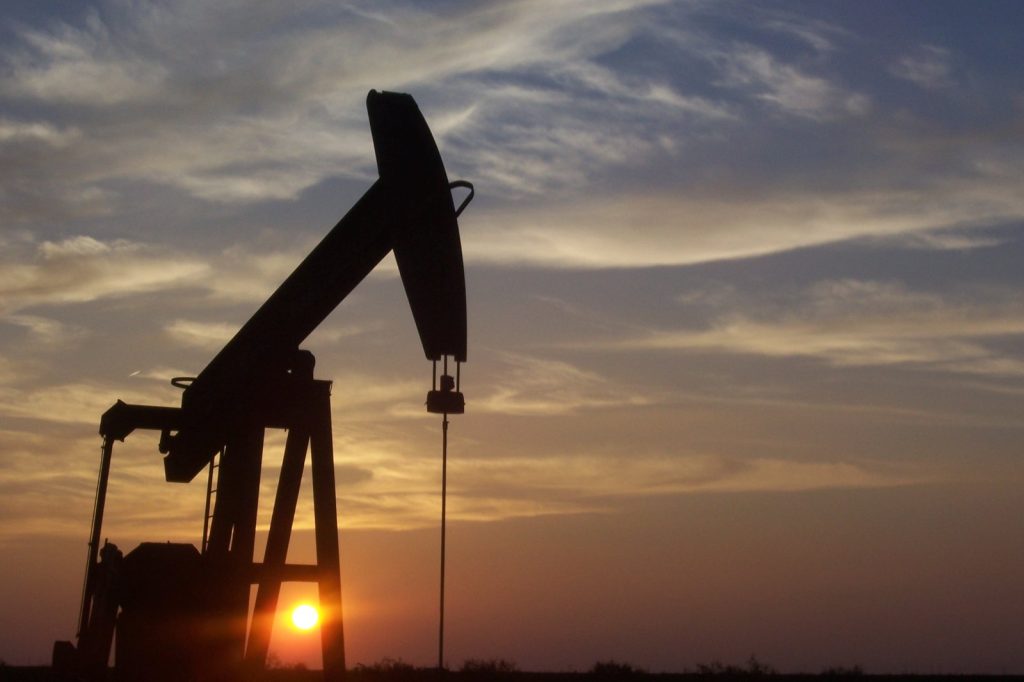
CARACAS, July 12 — On a hillside in the oil-rich state of Zulia, the machinery that once pumped Venezuela’s wealth across the globe stands silent. The scene is one of rust and stillness, a stark contrast to the country’s status as the holder of the world’s largest proven oil reserves. Those reserves, 303 billion barrels according to BP’s Statistical Review of World Energy 2024, have long been both a blessing and a curse.
By 2024, production had collapsed to under 400,000 barrels per day, a fraction of the country’s historic output. Now, a new US sanctions authority threatens to push that number even lower.
The order targets not just oil but also gold and mining sectors, which the Maduro government has used to evade existing oil sanctions. The new authority includes a national security waiver that allows exceptions for US energy security, potentially permitting continued imports from Venezuela. In 2024, the US imported about 100,000 barrels per day from Venezuela, down from 500,000 in 2019.
Chevron’s License in the Balance
Chevron, the American energy giant, has operated in Venezuela under a special license since November 2022. That license could now be revoked under the new authority. The move would sever one of the last remaining legal conduits for Venezuelan crude to reach US refineries.
The US Treasury Department’s Office of Foreign Assets Control will continue to implement the sanctions, but now under the direction of the Secretary of State. The shift places foreign policy considerations squarely at the center of sanctions enforcement.
Analysts at the International Energy Agency (IEA) have modeled the potential fallout. If sanctions are fully enforced, Venezuela’s oil exports could drop by an additional 200,000 barrels per day. That reduction, the IEA predicts, could raise global oil prices by $2 to $3 per barrel in the short term.
Global Markets on Edge
The timing is delicate. Global oil markets are already sensitive to supply disruptions, and Venezuela’s production decline over the past decade has been among the steepest in OPEC history. The country’s infrastructure, once the envy of Latin America, has deteriorated under years of sanctions, mismanagement, and corruption.
The new authority does not automatically halt all Venezuelan oil flows. The national security waiver provides a path for continued imports if the administration deems them necessary for American energy security.
That carve-out reflects a balancing act: squeezing the Maduro government while avoiding a spike in domestic fuel prices. By nightfall in Caracas, the Maduro government had not issued a formal response to the new sanctions authority. But the gold and mining sectors, now explicitly targeted, have been a lifeline for the regime, allowing it to circumvent earlier oil restrictions.
What to watch next: whether the administration exercises the waiver to maintain some Venezuelan crude imports, and whether Chevron’s license survives the new order. The IEA’s price projections suggest the global market is watching just as closely.




