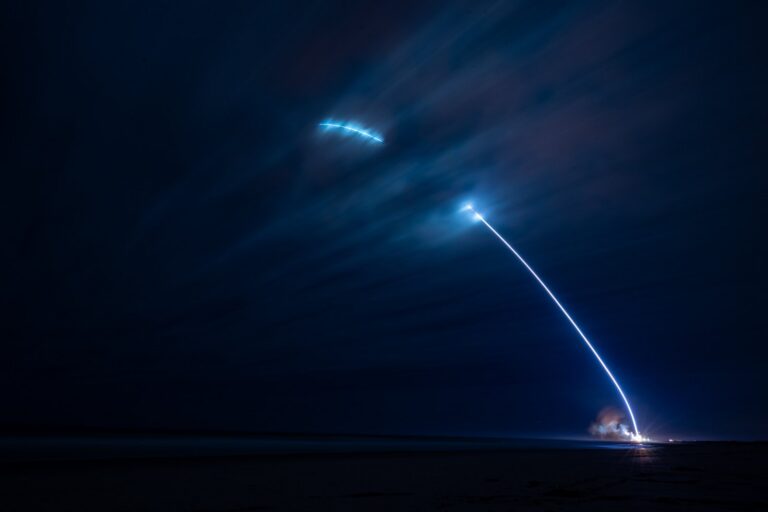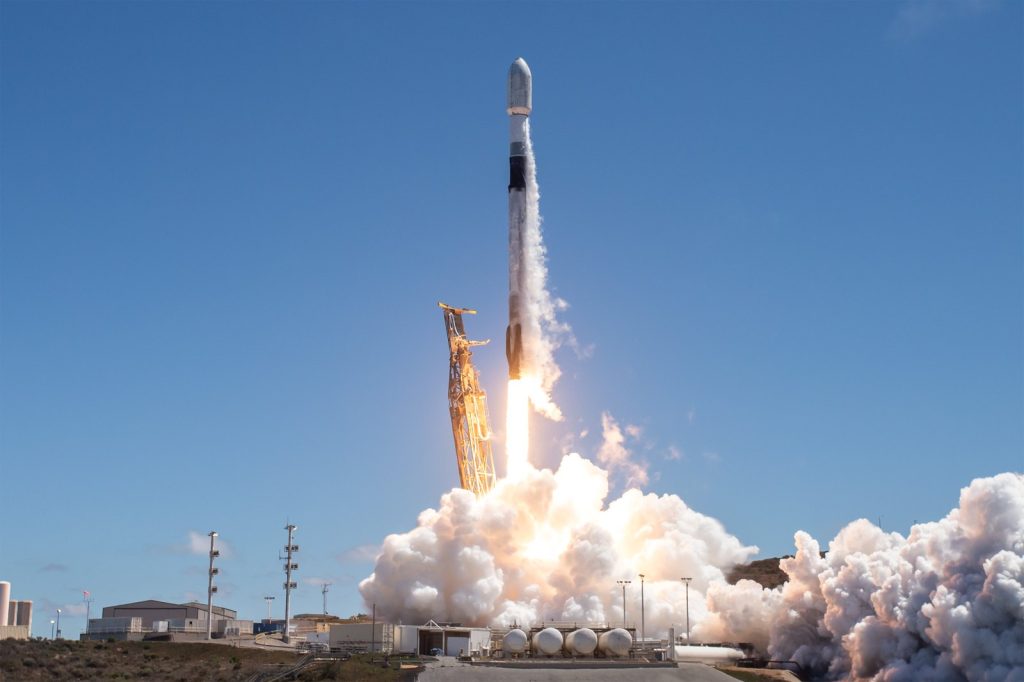
VANDENBERG SPACE FORCE BASE, Calif., July 14 — The hum of computers inside the 18th Space Control Squadron never stops. On this base, operators track thousands of objects hurtling through orbit. Some are active satellites.
Many are debris — fragments of old rockets, shattered spacecraft, the slow-motion wreckage of humanity’s presence in space. The U.S. Space Command, reestablished in 2019, runs this tracking operation.
From Vandenberg, the 18th Space Control Squadron monitors the orbital environment, cataloging objects and warning of potential collisions. Their work sits at the center of a growing international effort to manage what scientists and military planners call a mounting crisis: the cloud of junk encircling the planet. Space debris mitigation is not a single country’s problem.
NASA established the Orbital Debris Program Office in 1979 at the Johnson Space Center in Houston, Texas. The office has spent decades studying the problem, modeling how debris accumulates, and advising on ways to slow it.
Across the Atlantic, the European Space Agency — founded in 1975 — operates its own Space Debris Office at the European Space Operations Centre in Darmstadt, Germany. These two agencies, along with others, coordinate through the Inter-Agency Space Debris Coordination Committee. The IADC, founded in 1993, brings together NASA, ESA, Roscosmos of Russia, JAXA of Japan, the China National Space Administration, the Indian Space Research Organisation, and other national space agencies.
Their shared goal: share tracking data and develop common strategies to prevent the orbital environment from becoming unusable. The United Nations has also weighed in. The Committee on the Peaceful Uses of Outer Space, established in 1959, adopted Space Debris Mitigation Guidelines in 2007.
Those guidelines are voluntary, but they represent the closest thing to an international rulebook on the subject. The United States has moved beyond guidelines into regulation.
The Federal Communications Commission, an independent U.S. agency created in 1934, adopted new orbital debris rules in 2022. Satellite operators seeking FCC licenses must now submit debris mitigation plans. The rule change marked a shift from voluntary best practices to enforceable requirements, at least for companies operating under U.S. jurisdiction.
On the ground at Vandenberg, none of this is abstract. The 18th Space Control Squadron tracks debris in real time.
When a fragment drifts too close to an active satellite, operators alert the satellite’s owner. Sometimes there is time to maneuver. Sometimes there is not.
The challenge is only growing. More countries and private companies are launching satellites than ever before. Each launch adds payloads, but also leaves behind upper stages and other hardware.
Collisions generate more fragments, which in turn create more collision risk — a cascade scenario that experts have warned about for decades. By nightfall at Vandenberg, the screens still glow.
The tracking continues. The international coordination continues. The question now is whether the existing framework — the IADC, the U.N. guidelines, the FCC rules, the tracking squadrons — can keep pace with the accelerating traffic above.