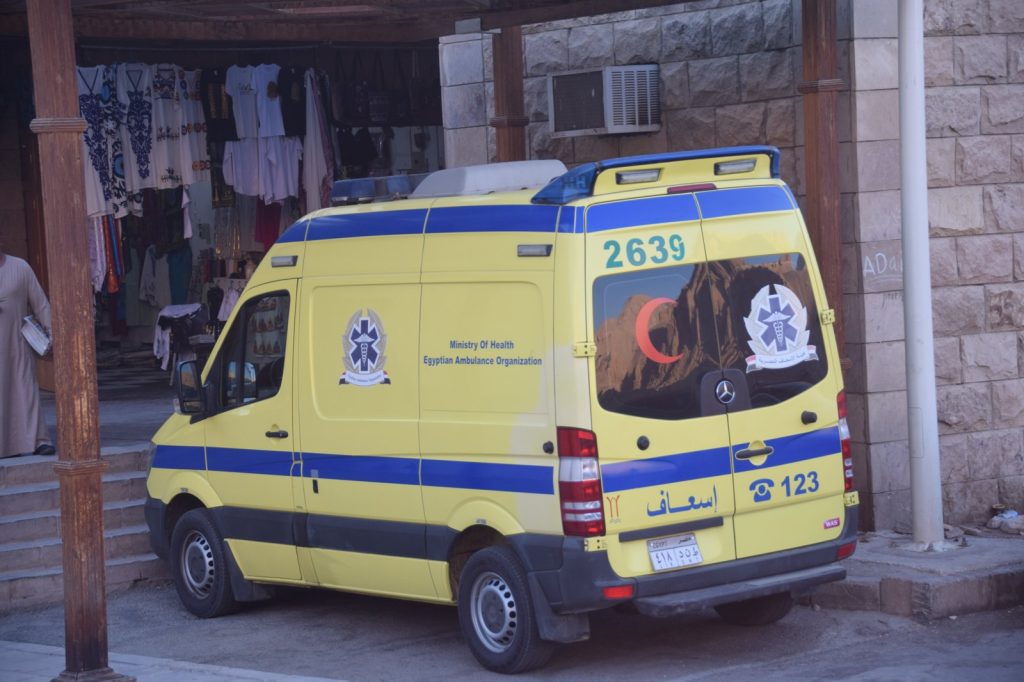
On July 30, 2023, a severe traffic collision involving a bus and a truck occurred near the town of El Dabaa in Egypt’s Matrouh Governorate. The crash resulted in three deaths and left 37 people with injuries of varying seriousness.
The incident highlights the ongoing hazards associated with road transport in the region. Roadway accidents, whether involving multiple vehicles, pedestrians, animals or stationary objects, regularly cause injury, disability, death and substantial economic loss. Statistics consistently show that everyday travel by road remains one of the most perilous activities for the public. In the wake of the El Dabaa crash, authorities are expected to focus on determining the factors that led to the collision.
Preliminary investigations will examine possible human error, vehicle condition, and compliance with existing traffic regulations. Findings are likely to influence future road‑safety policies, vehicle‑maintenance standards and driver‑training requirements.
Egyptian officials bear the responsibility of ensuring that transportation infrastructure meets safety expectations for citizens. The government’s response to this tragedy will be closely monitored both domestically and internationally, as it may set precedents for how similar incidents are addressed in the country. Language surrounding such events is also evolving.
The term “car accident” is increasingly replaced by “traffic collision” or “motor‑vehicle collision” in official reports and media coverage. This shift reflects a broader understanding that many of these incidents are preventable and stem from a combination of factors that can be mitigated through proper planning, vehicle upkeep and adherence to safety protocols.
Beyond immediate safety concerns, the crash underscores the relevance of broader transportation trends. The global push toward renewable energy and reduced reliance on fossil fuels includes a growing emphasis on electric and hybrid vehicles. While the El Dabaa collision involved conventional fuel‑powered transport, the development of cleaner vehicle technologies is viewed as a means to lessen both environmental impact and certain risk elements tied to traditional fuel handling.
Looking ahead, the El Dabaa tragedy serves as a stark reminder of the need for continued investment in road‑safety initiatives and sustainable transport solutions. As communities mourn the loss of three lives and support the 37 injured, policymakers are urged to reinforce safety measures, promote advanced vehicle technologies and consider the environmental benefits of transitioning to greener energy sources.
The path forward will require coordinated efforts among government agencies, transport operators and the public. By addressing the complex challenges of road safety and energy sustainability together, the aim is to reduce the frequency of such devastating collisions and move toward a safer, more resilient transportation system for future generations.