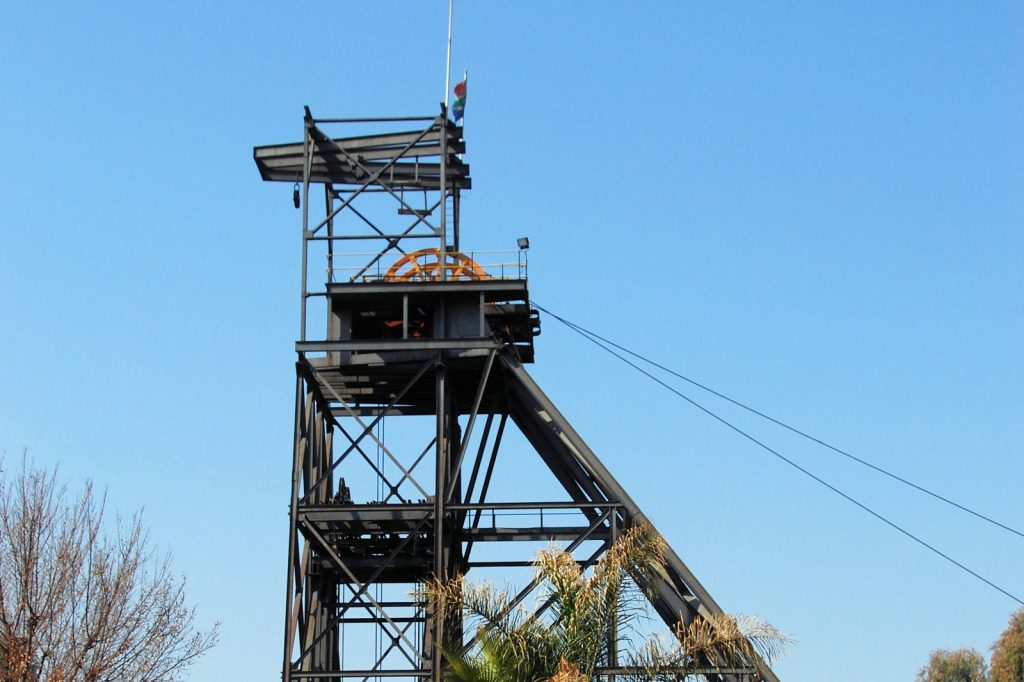
On May 23, 2025, a sudden collapse at the KDC gold mine near Carletonville, Gauteng, left 260 miners stranded deep underground. Emergency teams have been deployed and are now working to locate and bring the workers to the surface.
The incident adds to a grim record of mining accidents worldwide. Annual reports indicate that thousands of miners lose their lives each year, with many more sustaining injuries. A large share of these fatalities occurs in developing nations or in rural sections of wealthier countries, and South Africa’s deep‑level gold mines are a notable example of this trend.
Underground mining is inherently hazardous. While dramatic cave‑ins dominate headlines, everyday risks such as equipment failures, gas leaks, rock bursts, and extreme fatigue also claim lives.
The KDC collapse’s exact cause remains undetermined, a common situation in the early stages of such disasters. Authorities and the mine’s operating company have coordinated a rescue effort focused on rapid extraction. The urgency is underscored by the fact that the number of trapped workers—260—equates to the population of a small town or a large school, meaning every minute is critical.
Beyond the immediate response, the event highlights persistent systemic issues. Safety regulations and enforcement are often weaker in regions where mining accidents are most frequent, contributing to a pattern of loss that spans decades.
The KDC tragedy is not an isolated incident but part of a broader record of occupational danger in the sector. Gold extracted from mines like KDC fuels global markets, yet the human cost is borne in the shafts themselves. The latest collapse has reignited calls for stronger investment in safety equipment, comprehensive training for workers, and stricter regulatory oversight.
These demands aim to address the long‑standing disparity between the economic benefits of mining and the safety of those who perform the work. Should the rescue succeed in freeing all 260 miners, the incident will still stand as one of the most significant mining accidents in recent South African history, not solely because of the number of individuals involved but because it mirrors a recurring narrative of preventable loss in the industry.
The outcome of the rescue and the subsequent investigations will likely influence future policy decisions. Stakeholders will be watching to see whether this tragedy prompts concrete action on safety improvements or simply becomes another statistic in the ongoing story of gold extraction.
Sources
- Sibanye working to rescue 260 trapped in gold mine after shaft accident
- Hundreds of workers trapped deep underground in South African …