
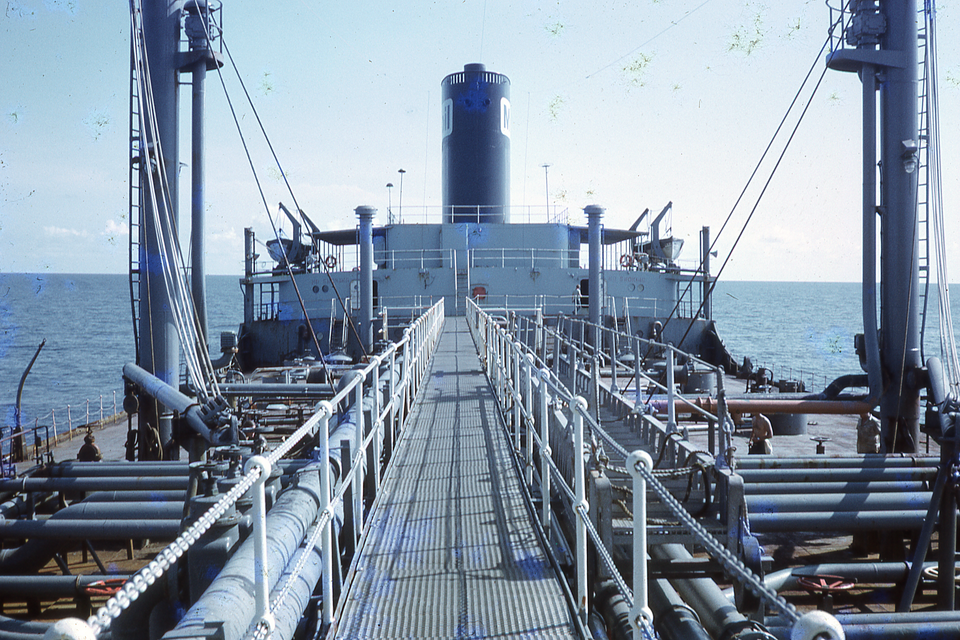
MANAMA, July 13 — The Strait of Hormuz, a narrow waterway that connects the Persian Gulf to the Gulf of Oman and the Arabian Sea, remains one of the world’s most strategically vital and volatile maritime chokepoints. At approximately 21 miles wide at its narrowest point, with two 2-mile-wide shipping lanes for inbound and outbound traffic, the strait is a lifeline for global energy markets.
According to the U.S. Energy Information Administration, about 20% of the world’s total petroleum consumption — averaging 17 million barrels per day in 2023 — passed through these waters. Major oil producers including Saudi Arabia, Iraq, Kuwait, the United Arab Emirates, and Qatar all export their crude through this route.
The strait’s depth of about 200 feet allows even the largest oil tankers to navigate its waters.
A History of Tensions
The Strait of Hormuz has been a flashpoint for conflict since the 1980s. During the Iran-Iraq War from 1980 to 1988, both sides attacked oil tankers in what became known as the “Tanker War.” In 1988, the U.S. Navy engaged Iranian forces in Operation Praying Mantis. More recently, in 2019, Iran seized several tankers in the strait amid rising tensions with the United States.
The United States Fifth Fleet, headquartered in Bahrain, has patrolled the region since 1995. The fleet’s presence underscores the strategic importance Washington places on keeping the waterway open and secure.
For communities and families across Asia, the stakes are clear. Many of the region’s economies depend on stable energy supplies that transit the strait. Any disruption — from military confrontation to the seizure of commercial vessels — can send shockwaves through fuel prices and supply chains that reach closer to home.
The narrow geography of the strait means that even a single incident can have outsized consequences. With only two 2-mile-wide lanes for traffic, the margin for error is razor-thin.
A collision, an attack, or a blockage could halt the flow of oil for days or weeks. What to watch next: The U.S. administration continues to monitor the region closely. Officials have signaled that maintaining freedom of navigation in the strait remains a top priority.
Iran’s government, meanwhile, has a long history of using the waterway as leverage in its disputes with the West. For now, the strait remains open — but the tensions that have defined it for decades show no signs of easing.




