
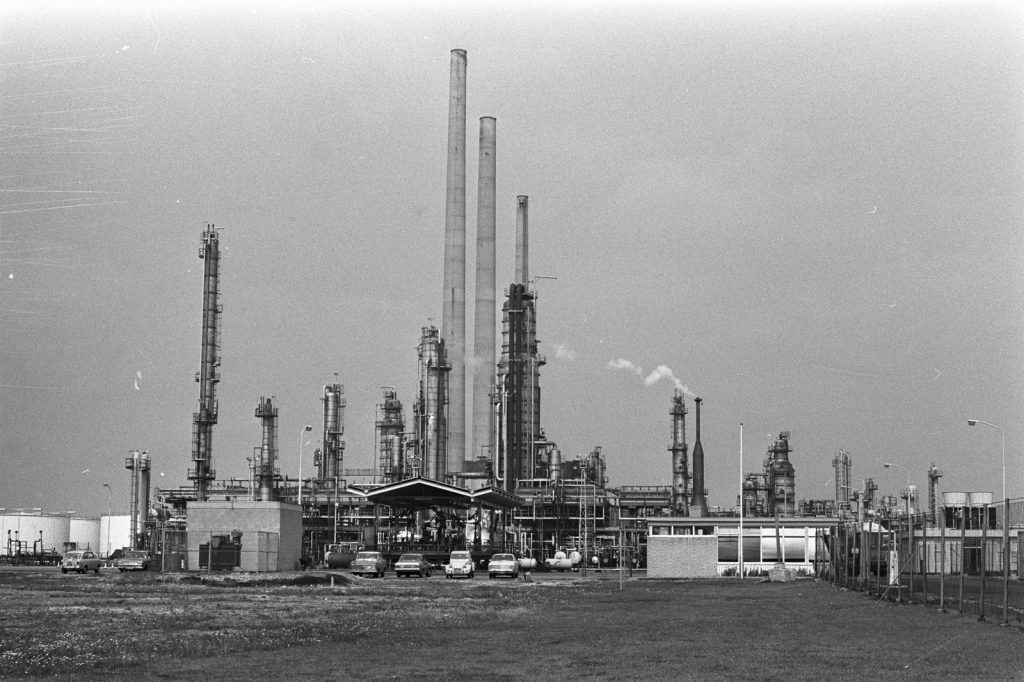
MOSCOW, July 7 — The mechanics here are brutal in their simplicity: Ukrainian drone strikes hit Russian oil refineries; Russian refining capacity drops; domestic fuel prices rise; and export volumes shrink. Follow the money, and the pattern is clear. Data from the Russian Ministry of Energy shows that refinery runs in April 2024 fell by 10% compared to pre-war levels, a decline attributed to the attacks.
The Omsk refinery strike on August 26, 2024, could further reduce output, compounding the damage already done. The catch is that each new strike creates a compounding effect on an already strained system.
The International Energy Agency reports that Russia’s fuel exports—particularly diesel and gasoline—dropped by 15% in the first half of 2024 compared to 2023. This is not a marginal blip. Russia remains a major global exporter of refined petroleum products, and a contraction in export volumes has implications for global oil markets, tightening supply and potentially supporting prices elsewhere.
On closer reading, the domestic picture is equally strained. Reduced refining capacity means less fuel available for the Russian market, driving up prices.
To compensate, Russia has been forced to import fuel from Belarus and other sources, a costly workaround that introduces additional logistical and financial burdens. The economic damage from drone strikes on energy infrastructure is estimated in the hundreds of millions of dollars, a figure that continues to accumulate with each new attack. The targeting of refineries is not random.
These facilities are concentrated, vulnerable, and critical to both Russia’s domestic economy and its war financing. Each strike forces Moscow to divert resources toward repair and replacement, while simultaneously squeezing the revenue stream from fuel exports. The strategic logic is straightforward: degrade the energy infrastructure that funds the war effort.
The Omsk refinery strike is a case in point. Located in Siberia, it is one of Russia’s largest refining complexes.
A successful hit there does not just reduce output for a few days; it can take weeks or months to fully restore operations, depending on the severity of the damage. The cumulative effect of multiple such strikes across the country is a sustained reduction in overall refining capacity. For international markets, the math is uncomfortable.
A major exporter cutting its fuel exports by 15% in six months is a significant supply-side shock. While other producers can theoretically ramp up output, the reality is that refining capacity is not easily interchangeable.
Different refineries are configured for different crude grades and product slates, meaning that a shortfall in Russian diesel and gasoline cannot simply be filled by turning a dial elsewhere. The forced imports from Belarus add another layer of irony. Russia, historically a net exporter of refined products to its neighbors, now finds itself buying back fuel at higher prices, further squeezing margins for its own energy companies.
The cost of these imports, combined with the repair bills for damaged infrastructure, eats into the profits that would otherwise flow into state coffers. The trajectory of this dynamic depends on several variables. The frequency and precision of future drone strikes will determine whether Russian refining capacity stabilizes or continues to erode.
The ability of Russian engineers to repair damaged units quickly—and to protect remaining facilities—will be a key factor in how long the current constraints persist. For global markets, the question is whether the 15% export drop is a floor or a ceiling.
If strikes continue and refining capacity falls further, export volumes could shrink even more, tightening global fuel supplies and potentially pushing prices higher. For Moscow, the calculus is equally stark: every dollar spent on repairs and imports is a dollar not available for other priorities, including the war itself.




