
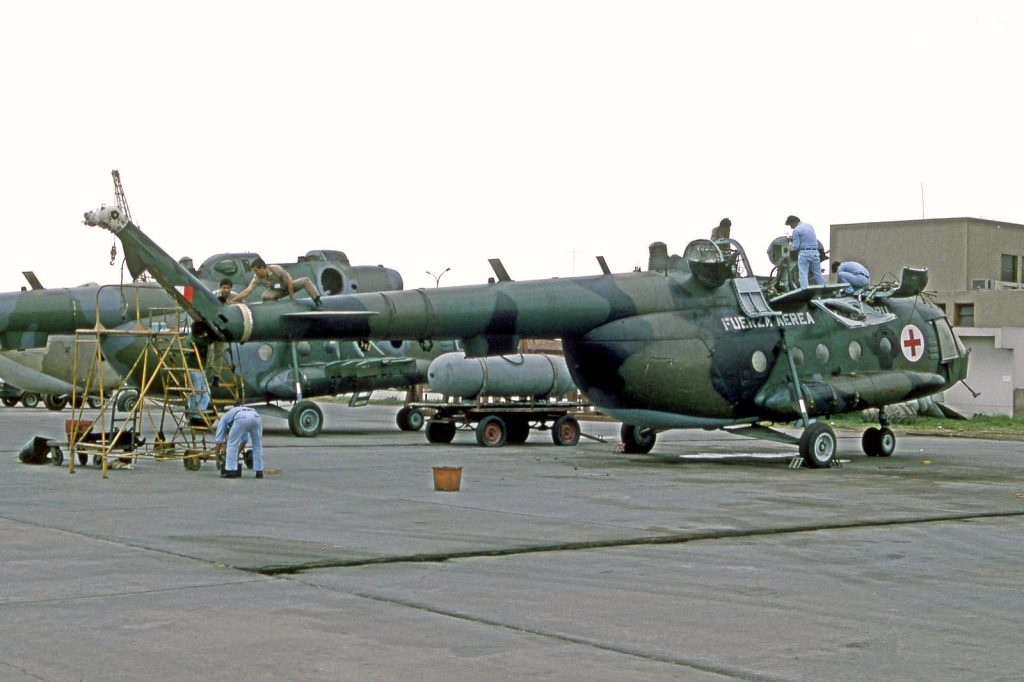
Three Lives Lost in Mil Mi‑17 Crash Near Cusco
On October 29, 2025, a Mil Mi‑17 helicopter went down in the vicinity of Cusco, Peru, claiming the lives of three people. The aircraft, a Soviet‑origin twin‑turbine transport often called the Hip, has been rolling off production lines since 1975 and continues to be built in the Russian factories of Kazan and Ulan‑Ude. Its long service record, spanning more than four decades, has made it a workhorse for both military transport and armed gunship roles, valued by operators for its ruggedness and adaptability in civilian and defence missions.
The crash adds to the ongoing conversation about aviation safety, especially in challenging landscapes. Investigators have not yet released a cause, but the incident underscores the need for rigorous maintenance and operational oversight when flying in mountainous regions.
The Andes surrounding Cusco present steep valleys, unpredictable weather and thin air, all of which demand specialised pilot training and equipment suited to high‑altitude flight. Beyond the immediate tragedy, the loss reverberates through the families of those aboard and the wider Cusco community. Known worldwide for its Inca heritage, colonial architecture and gateway to Machu Picchu, the city draws tourists year‑round.
Local emergency services rushed to the scene, and authorities have begun coordinating support for affected relatives while preserving the area’s reputation as a cultural hub. Environmental angles also emerge from the discussion.
The Mil Mi‑17, like most rotorcraft, relies on fossil‑fuel engines, prompting renewed attention to the aviation sector’s carbon footprint. Advocates argue that accelerating the shift toward renewable energy sources—such as solar‑powered ground infrastructure and wind‑generated electricity—could lessen dependence on petroleum‑based fuels and reduce emissions that threaten fragile ecosystems. The Peruvian Andes host unique biodiversity, and preserving its natural beauty is tied to broader goals of energy security and sustainable development.
Looking forward, the investigation will be pivotal in determining whether human error, mechanical fault, or atmospheric conditions played a role. Transparent reporting and accountability are seen as essential steps to prevent repeat occurrences.
As the aviation industry evolves, stakeholders are urged to balance safety imperatives with environmental stewardship, seeking innovations that protect both passengers and the planet. In the aftermath, the incident serves as a sober reminder that even helicopters celebrated for durability are not immune to risk, particularly when operating in demanding terrain. Continued investment in technology, training and cleaner energy may help safeguard the skies over regions like Cusco for future generations.




