
Leadership Forged in Crisis
Elon Musk founded SpaceX in 2002 with the goal of reducing the cost of spaceflight and improving reliable access to orbit for both private and public missions. Born in South Africa in 1971, he also leads Tesla, Neuralink, and The Boring Company. As of 2024, Musk owns about 42% of SpaceX and serves as both CEO and Chief Engineer. His earlier ventures included co-founding Zip2 and X.com, and he holds degrees from the University of Pennsylvania. From the outset, Musk set the visionary direction, but for most of the company’s history, the person running the place has been Gwynne Shotwell.
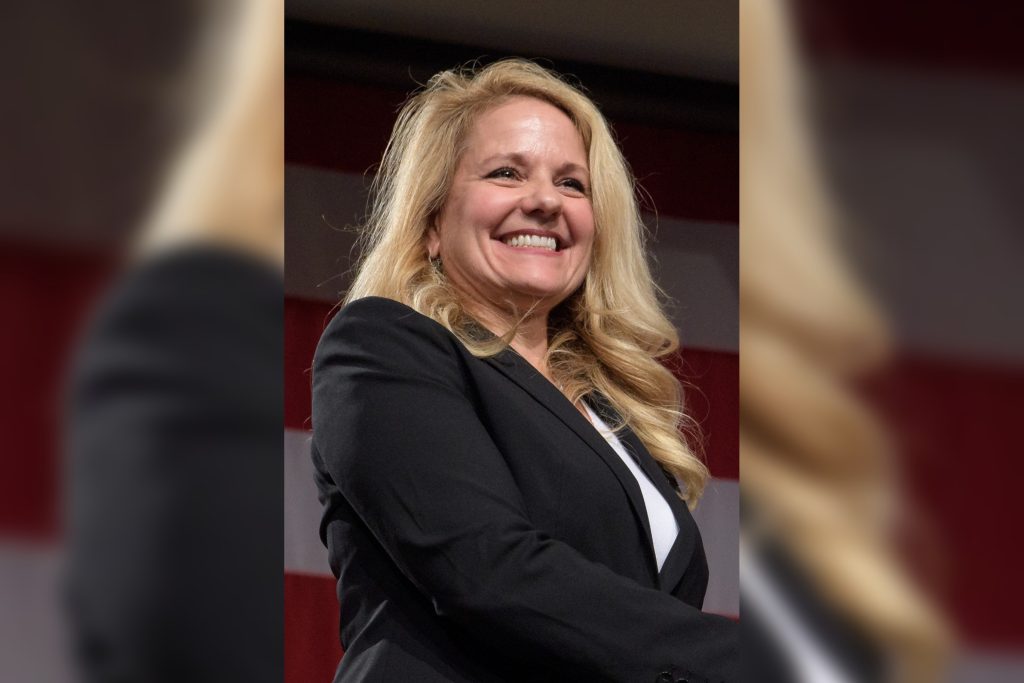
Shotwell joined SpaceX in 2002 as Vice President of Business Development, back when the company had not launched a single rocket. She holds an engineering degree from Northwestern University. By 2008, she was President and Chief Operating Officer, and she has overseen daily operations ever since. In that role, she secured contracts with NASA and the U.S. Department of Defense that provided both revenue and credibility during the company’s early struggles. Those early years were marked by setbacks, including three consecutive launch failures between 2006 and 2008 that nearly forced SpaceX into bankruptcy. The successful Falcon 1 launch in 2008 ended the crisis and solidified the company’s place in the commercial space industry, opening the door to larger ambitions.
Beyond Musk and Shotwell, the engineering team provided the technical backbone. Tom Mueller, former Vice President of Propulsion Engineering, designed the Merlin engines that powered the company’s rockets. Hans Koenigsmann, former Vice President of Mission Assurance, was responsible for the reliability systems that enabled consistent launches and reusability. Within two years of the Falcon 1 success, SpaceX had built the Falcon 9 rocket and the Dragon spacecraft, winning NASA contracts to resupply the International Space Station under the Commercial Orbital Transportation Services program. The practical upshot of this team structure — with Musk’s vision, Shotwell’s management, and the engineering expertise of people like Mueller and Koenigsmann — turned SpaceX into the dominant player in American spaceflight.
Strategic Bets That Redefined the Economics of Space
The leadership team’s two biggest strategic decisions have been reusable rockets and Starlink, a constellation of satellites beaming internet down to Earth. Both decisions came from this group and have driven the company’s valuation. Reusable rockets sharply cut launch costs and accelerated flight frequency, making SpaceX the leading American launch provider and surpassing traditional government contractors in flight cadence and commercial contracts. The engineers focused on reliability and reusability from the start, laying groundwork that later defined the industry.
Starlink, the satellite-based internet service, now delivers global broadband connectivity, providing communications in remote regions and during emergencies. The company’s technology supports NASA missions, military payloads, and private enterprises, while its growth reflects broader shifts in space policy, technology, and commerce. The core innovations — reusable propulsion, rapid launch cadence, and satellite constellation operations — have redefined the economics of space. SpaceX’s first launch was in 2008; since then, the combination of Musk’s vision, Shotwell’




