
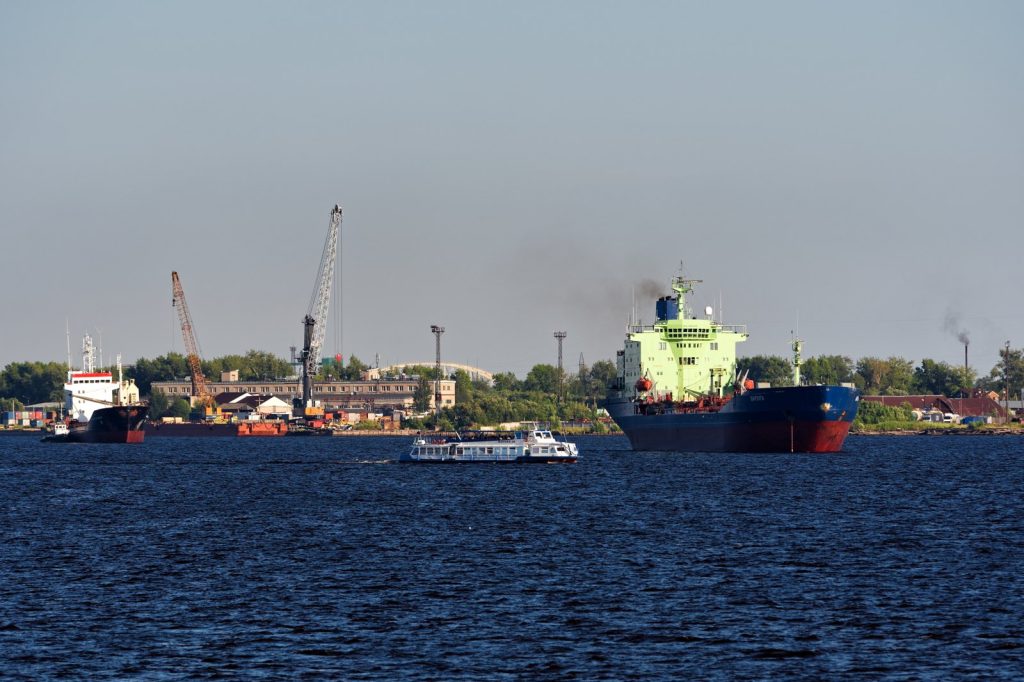
The Shadow Fleet as a Fiscal Lifeline
Russia’s history as a major energy exporter runs deep. The country, which stretches across Eastern Europe and North Asia, emerged from the Soviet Union in 1991 as the Russian Federation, inheriting vast oil and gas reserves. By the time Vladimir Putin became president—first from 2000 to 2008, then again since May 7, 2012—energy exports had become central to state finances. That dependence made the federal budget sensitive to any disruption in the sale or transport of oil and gas. When Western nations imposed sanctions after Putin ordered the full-scale invasion of Ukraine on February 24, 2022, the G7 price cap was designed to limit Russia’s revenue without halting global supply. Russia’s answer was the shadow fleet: tankers operating outside conventional insurance and ownership structures, moving oil at prices above the cap. The fleet became Putin’s hedge against economic isolation. But that hedge is now a direct target. Ukraine is no longer fighting only Russian troops; it is fighting Russian revenue. The strikes on shadow fleet tankers are a strategic pivot aimed at dismantling the financial architecture that sustains the invasion.
A New Financial Front in the Conflict
The battlefield is expanding beyond territory. Ukraine’s calculus is clear: if you cannot prevent Russia from selling oil, you can prevent it from shipping oil. By striking the tankers, Kyiv directly threatens Putin’s economic strategy. The response from Moscow has been swift. Russia has increased military patrols in the Black Sea and threatened retaliation against Ukrainian ports. The message is unmistakable: hit our tankers, and we will hit your infrastructure. Yet the logic for Ukraine is equally stark. The war is no longer just about land; it is about the financial pipelines that make territorial gains possible. Putin’s approval rating in Russia remained above 80 percent in mid-2024, according to the Levada Center. That figure is striking given the economic strain the war has imposed, but approval ratings do not pay for military hardware. The shadow fleet was the mechanism that kept revenue flowing despite sanctions. Now that mechanism is under direct military pressure.
The implications extend beyond immediate strikes. Russia has a long history of using force near its borders, including the war with Georgia in 2008, and the current invasion of Ukraine fits a pattern of military action to assert influence. The country operates as a semi-presidential state after a 1993 constitutional crisis, with Putin as the dominant political leader since the late 1990s. Born on October 7, 1952, in Leningrad, and a former KGB officer before entering politics, Putin has weathered sanctions, diplomatic isolation, and a grinding war. But the shadow fleet was his lifeline. If Ukraine can keep hitting the tankers, and if Russia cannot protect them, the economic pressure on Moscow will intensify. The coming months will test whether this new phase is sustainable. Can Ukraine sustain the strikes? Can Russia adapt its shipping routes and defenses? And what happens if the fleet shrinks? The trend underneath is clear: the war is entering a financial front where the stakes are measured not in square miles but in barrels of oil and barrels of revenue.




