
NEW YORK, July 9 — The shockwaves from a White House trade announcement five months ago are still rippling through global energy markets, with gasoline prices and crude oil benchmarks locked in a volatile dance that traders and drivers alike are watching closely. On February 4, 2025, following President Donald Trump’s tariff rollout, Brent crude surged 5.8 percent to $78.50 per barrel, while West Texas Intermediate jumped 5.9 percent to $74.80.
That single-day spike sent a jolt through the New York Mercantile Exchange, where trading volumes for crude oil futures shot 40 percent above the 30-day average, with 1.2 million contracts changing hands. By that same week, the pain at the pump was already measurable.
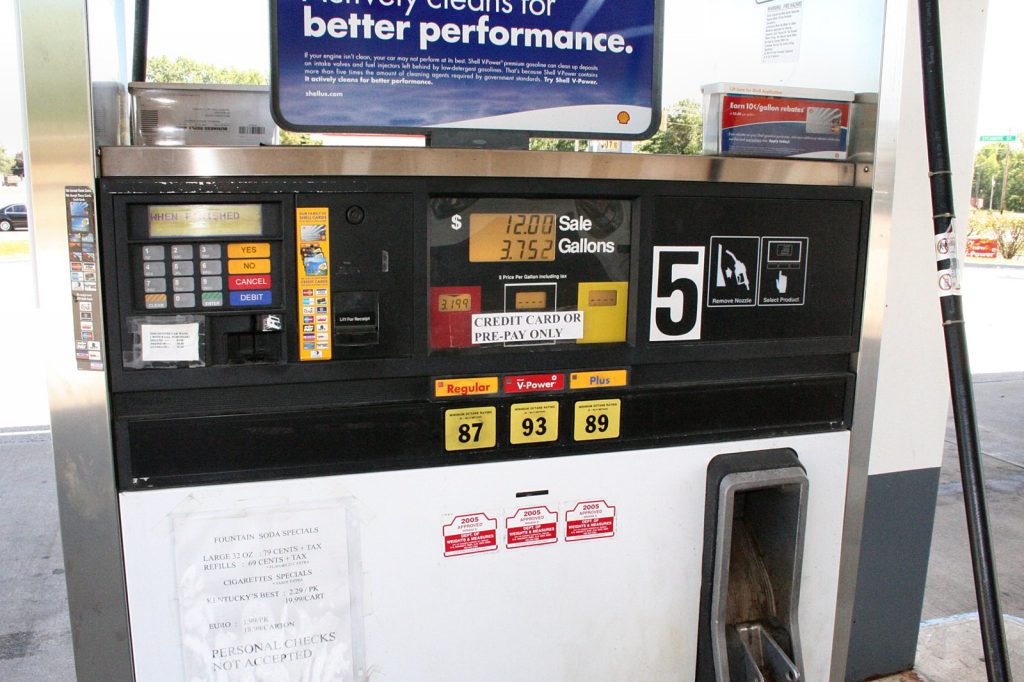
The American Automobile Association reported that U.S. gasoline prices averaged $3.20 per gallon nationally, up from $3.05 just a week earlier. That 15-cent climb, while modest in isolation, fits a pattern that energy analysts understand well: a 10 percent rise in crude oil typically translates to a 3 to 4 percent increase at the pump within two weeks, according to historical data from the Energy Information Administration. The U.S. Strategic Petroleum Reserve holds 375 million barrels, enough to cover about 41 days of net imports at 2024 consumption rates.
That buffer offers some comfort, but it does not insulate American consumers from the immediate mechanics of global pricing. U.S. gasoline consumption in 2024 averaged 9.1 million barrels per day, a figure that underscores just how deeply the American economy is tethered to refined fuel.
When crude prices lurch upward, the effects cascade quickly — from the tanker to the refinery to the corner station. The Consumer Price Index for energy rose 2.3 percent in January 2025, and the Federal Reserve has warned that oil price shocks could add 0.5 percentage points to overall inflation. That is no small concern for an administration navigating trade policy alongside monetary stability.
On the day of the announcement, the U.S. dollar index rose 0.3 percent, reflecting what traders described as safe-haven demand. A stronger dollar typically puts downward pressure on commodity prices, but the sheer force of the supply-side disruption overwhelmed that dynamic. The EIA’s Short-Term Energy Outlook, released on February 4, 2025, projected Brent crude averaging $75 per barrel for the full year.
That forecast, however, was published before the announcement took effect, and market participants have been recalibrating expectations ever since.
Trading floors and tank farms
On the NYMEX floor, the surge in activity was unmistakable. The 1.2 million crude futures contracts traded that day represented a volume spike that traders described as exceptional — a clear signal that institutional money was repositioning in real time. The 40 percent jump above the 30-day average is the kind of metric that catches the attention of risk managers and hedge fund strategists alike.
The interplay between crude prices and retail gasoline is not instantaneous, but it is relentless. The EIA’s historical modeling shows that the pass-through from a crude price increase to the pump typically completes within two weeks.
That means the February 4 spike was still working its way through the supply chain as February wore on. For context, the U.S. consumes roughly 9.1 million barrels of gasoline per day. Even a small price increase at the wholesale level multiplies into billions of dollars in additional consumer spending over the course of a year.
Strategic reserves and market mechanics
The Strategic Petroleum Reserve, with its 375 million barrels, is designed as an emergency buffer against severe supply disruptions. At 2024 net import rates, that stockpile would cover about 41 days of imports. It is a significant cushion, but it is not a tool for managing routine price fluctuations.
The February 4 price moves were driven by policy, not by a physical shortage. Crude oil was flowing; the question was what it would cost to buy it.
The tariff announcement changed the calculus for refiners, traders, and ultimately, drivers. The dollar’s 0.3 percent rise on the day of the announcement added another layer. A stronger dollar makes dollar-denominated commodities more expensive for foreign buyers, which can dampen demand.
But in this case, the tariff-driven supply concern overwhelmed that effect, pushing prices higher regardless.
Looking ahead
As of mid-2026, the energy market is still digesting the implications of that February afternoon. The EIA’s pre-announcement forecast of $75 Brent for 2025 now looks like a relic of a different policy environment. Actual prices have fluctuated significantly since then, shaped by ongoing trade negotiations, global demand patterns, and the ever-present risk of further tariff actions.
The Federal Reserve’s warning that oil price shocks could add half a percentage point to inflation remains a live concern. With the CPI for energy already up 2.3 percent in January 2025, any additional upward pressure on crude will be felt not just at the pump, but in the broader cost of goods — from trucking to plastics to heating oil.
Traders on the NYMEX are watching the next round of trade talks closely. The 1.2 million contracts traded on February 4 set a benchmark for volatility that the market has not yet shaken. Whether the next policy move brings relief or another spike is the question that hangs over every barrel traded.




