
LOS ANGELES, July 7 — The figure that matters: $29.8 billion. That is where the global water recycling market is headed by 2030, up from $15.2 billion in 2022, according to Allied Market Research. The compound annual growth rate is 8.8%.
Investors will note this is not a niche play anymore; it is a mainstream infrastructure bet. By the numbers, the economics are already working in places that bet early.
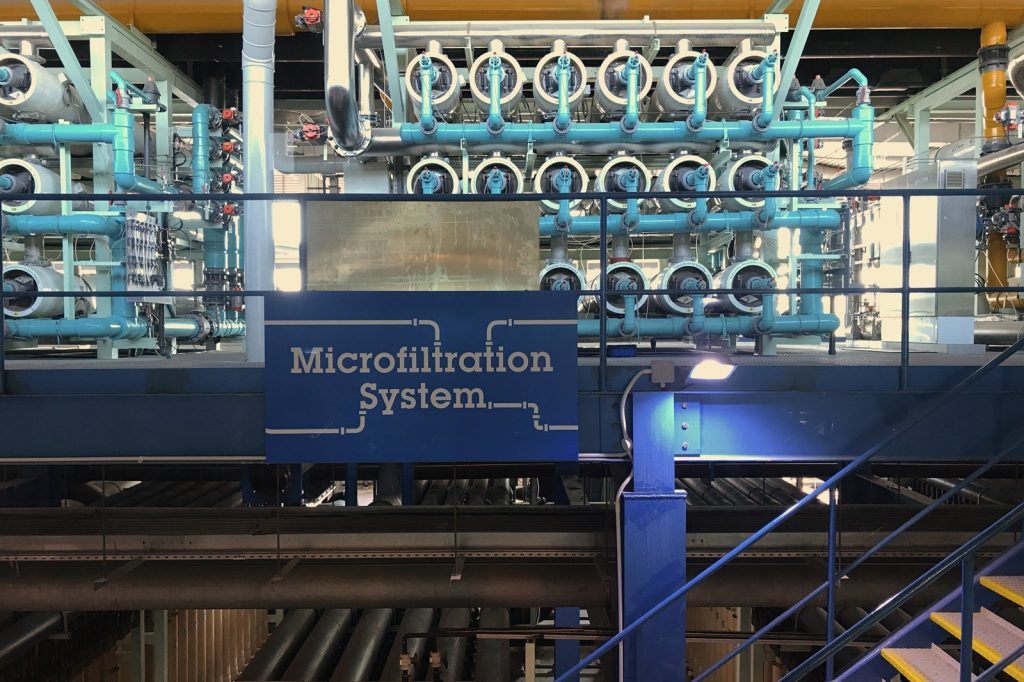
The Orange County Water District’s recycling system cost $481 million to build in 2008. The bottom line: it saves $30 million annually compared to what the district would pay for imported water. That is a payback period the private sector would envy.
Singapore’s NEWater program, launched in 2003, now meets 40% of the nation’s water demand. The operational cost is $0.30 per cubic meter.
The city-state plans to push that to 55% by 2060. For a country with no natural freshwater resources, that is not an aspiration — it is a survival metric. The US market for water reuse stood at $3.4 billion in 2023, per Bluefield Research.
That is a fraction of the global total, but the regulatory framework is already in place. California’s Title 22 Water Recycling Criteria, established in 1978, set the standards that made this market possible. Decades later, that regulatory bedrock is enabling projects from San Diego to Silicon Valley.
The global smart water management market — sensors, IoT, and analytics for water conservation — was valued at $12.2 billion in 2022. Fortune Business Insights projects it will reach $28.4 billion by 2030.
These are the tools that make recycling plants more efficient and less expensive to operate. The hardware and software that track every drop are becoming as important as the pipes. The Carlsbad desalination plant, a different but related technology, generates $50 million in annual revenue.
That plant is in California, the same state where Title 22 governs recycled water standards. The overlap is not accidental; water-scarce regions are the proving grounds for both recycling and desalination economics.
The CAGR of 8.8% in water recycling suggests sustained capital deployment, not a boom-and-bust cycle. The Singapore model — government-led, long-term, cost-transparent — is being studied by water authorities worldwide. The Orange County case proves the math works at scale: a half-billion-dollar capital outlay that saves tens of millions annually.
Investors will note that the smart water management market, at $28.4 billion projected by 2030, is nearly the same size as the recycling market itself. That convergence — recycling infrastructure plus digital monitoring — is where the next efficiency gains will come from. The bottom line: water is becoming a technology sector.




