
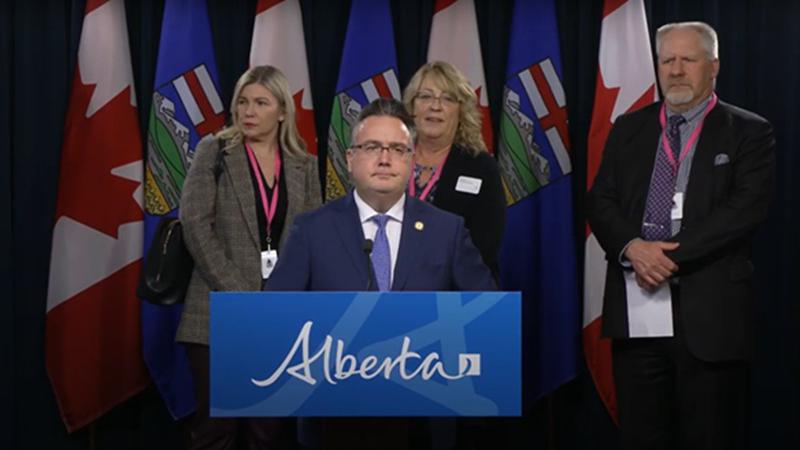
EDMONTON, July 19 — Alberta holds 158.9 billion barrels of oil reserves, the bulk of them in the province’s vast oil sands operations. That geological fact sits at the centre of a political and regulatory collision over a proposed pipeline that would carry crude to new markets. The detail that matters: the province’s government has long argued that without additional pipeline capacity, its producers are forced to sell at a discount to the sole big buyer — the United States.
The technical reality is straightforward. The province’s oil sands yield a heavy, sulphur-laden crude that requires specialised refining.
More pipelines mean the ability to ship to tidewater and secure world prices rather than the North American benchmark. As ever, the infrastructure question is less about engineering than about who gets to decide the route and the revenue.
Two levels of government, two sets of priorities
Alberta’s government has made pipeline expansion the centrepiece of its energy strategy — a push to secure what it calls energy security and economic growth. Ottawa, meanwhile, has set climate goals that include a national carbon price and a legally binding target of net-zero emissions by 2050. The proposed pipeline forces those two agendas into the same room.
Under the hood, the conflict is about jurisdiction. The Canada Energy Regulator reviews applications for interprovincial pipelines.
That federal body will ultimately issue a recommendation to the federal cabinet. The province can lobby, submit evidence, and threaten legal action, but it does not hold the final permit. The province can, however, withhold provincial land-use approvals and make life difficult for the project on the ground.
Opposition from environmental groups and Indigenous communities
The David Suzuki Foundation has opposed the pipeline, arguing it would lock in decades of high-carbon infrastructure. Indigenous communities whose territories the pipeline would cross have also raised objections, citing insufficient consultation and potential harm to traditional lands and water. The regulatory process must address those concerns under Canadian law, which requires the Crown to consult and accommodate Indigenous groups before approving projects that affect their rights.
One observation: the same groups that fought previous pipeline battles — the Trans Mountain expansion, the Keystone XL project — are back in the room, deploying the same legal playbook. The pipeline’s supporters argue that environmental review processes have become a vehicle for endless delay, while opponents counter that the science and the law demand thorough scrutiny.
What determines the outcome
The decision will not be made by any single actor. Federal approval is the necessary condition, but not sufficient. Provincial cooperation — or at least the absence of outright obstruction — matters.
Legal challenges from environmental groups and Indigenous nations can drag on for years. And public opinion, while harder to measure in the short term, shapes the political calculus in both Edmonton and Ottawa.
On the federal side, the government has to balance its climate commitments against the economic reality that the oil sands generate billions in tax revenue and support hundreds of thousands of jobs. On the provincial side, the government knows that pipeline capacity is the single most important variable for the province’s fiscal future. As ever, the outcome will be a messy compromise — unless one side decides to force a confrontation.
The Canada Energy Regulator’s review is expected to take months, possibly longer. What to watch next: whether the federal government attaches new climate conditions to the pipeline’s approval, and whether the province uses its own legislative tools to challenge the process.
The technical reality is that the pipeline is just a steel tube. The politics around it are anything but.




