
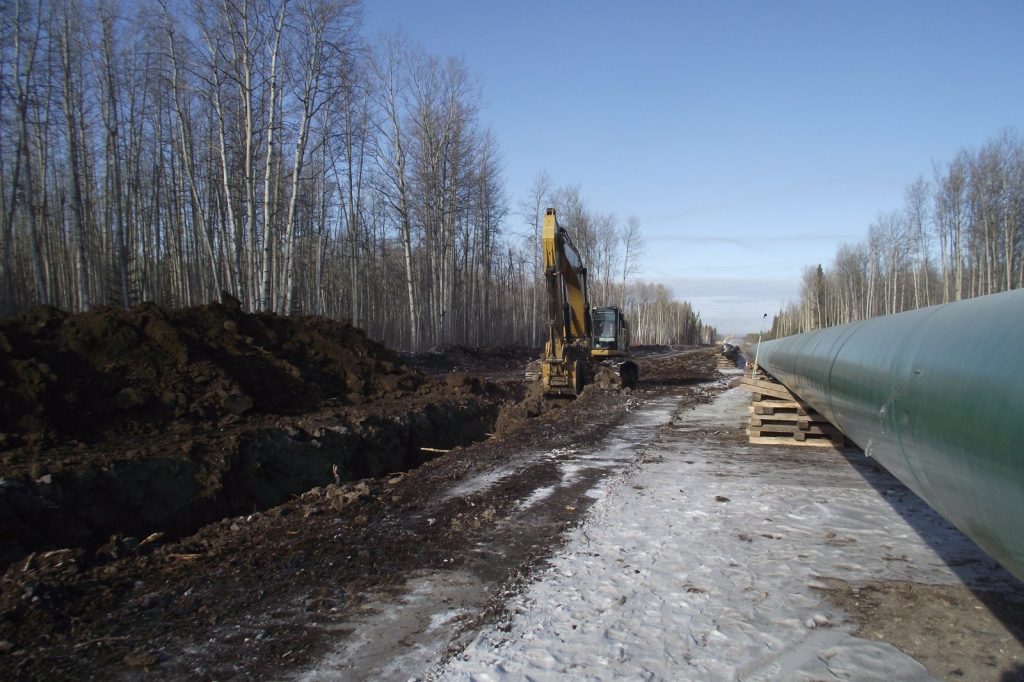
OTTAWA, July 19 — A proposed east‑west pipeline designed to move crude oil from Alberta’s production fields to refineries in Ontario, Quebec, and the Maritime provinces represents a strategic recalibration of Canadian energy infrastructure. The steel‑pipe corridor would carry diluted bitumen or other crude products across the continent, a route that, if built, would fundamentally alter the calculus of North American pipeline transport. Historically, Canada’s major pipeline systems run north‑south toward the United States.
That orientation has long tied Canadian crude to American refineries and export hubs. A new east‑west axis would, for the first time, give producers a direct link to domestic refineries in Eastern Canada without transiting U.S. territory.
What this signals is a deliberate push to diversify export routes and reduce dependence on a single customer, a move that carries clear geopolitical and economic stakes for both Canada and the United States. Strategically, the broader stakes centre on energy security, trade leverage, and the ability to move product to tidewater on the Atlantic coast. The proposed route would require crossing the Rocky Mountains, the Canadian Shield, and numerous waterways — a combination of rugged terrain and sensitive ecosystems that will test any engineering plan.
Technical and Logistical Hurdles
Pipeline systems rely on pump stations spaced along the route to maintain pressure and flow rate. Operations would be managed by Supervisory Control and Data Acquisition technology, allowing remote monitoring and control from a central centre. Safety measures prescribed for such projects include automatic shut‑off valves, leak detection systems, and regular inspections using tools known as smart pigs — devices that travel inside the pipe to measure wall thickness and detect corrosion or defects.
Building thousands of kilometres of steel pipe across the Rockies and the Canadian Shield is neither cheap nor straightforward. The technical and logistical challenges of constructing major pipelines in remote and ecologically sensitive areas have historically led to cost overruns and delays.
Those precedents hang over any new proposal, and the financial and engineering risks are well understood by the industry and regulators alike.
Regulatory and Indigenous Engagement
No major pipeline can proceed in Canada without a rigorous permitting process. Construction would require environmental impact assessments, approvals from the Canada Energy Regulator, and consultation with Indigenous communities whose traditional territories the route would cross. The regulatory framework itself has become a terrain of political and legal battles, and any east‑west project will have to navigate that landscape carefully.
The requirement for Indigenous consultation has grown more substantive in recent years, adding both time and complexity to the approval process. The broader stakes of the proposed pipeline extend well beyond the technical.
For Canada, the project represents a chance to reorient its energy geography. For the United States, it could mean a shift in supply dynamics and a loss of transit revenue. For Indigenous communities, it raises questions about land rights, environmental stewardship, and economic participation.
What This Signals
The east‑west pipeline concept is not new, but its persistence in policy discussions signals that the calculus for Canadian energy transport is evolving. Whether the project eventually wins approval, faces further delays, or is shelved altogether, the conversation itself reflects a strategic realignment. On the geopolitical chessboard of North American energy, Canada is weighing whether to build a new corridor — and what that corridor would mean for its own sovereignty and its ties to its southern neighbour.
The answer, still unwritten, will shape the continent’s crude flows for decades.
Sources
{“@context”: “https://schema.org”, “@type”: “NewsArticle”, “headline”: “Eastern and Western Canada Pipeline Infrastructure Explained”, “description”: “OTTAWA, July 19 — A proposed east‑west pipeline designed to move crude oil from Alberta’s production fields to refineries in Ontario, Quebec, and the Maritime…”, “datePublished”: “2026-07-19T09:30:00+00:00”, “author”: {“@type”: “Person”, “name”: “Noah King”}, “publisher”: {“@type”: “Organization”, “name”: “InfoPulse Today”, “url”: “https://newsfeed.infopulsetoday.com/”}, “citation”: [{“@type”: “CreativeWork”, “url”: “https://en.wikipedia.org/wiki/Pipeline_transport”}]}




