
Storage Becomes the New Frontier
Canada sits on one of the world’s largest freshwater systems, a natural endowment that has long made hydropower the backbone of the country’s electricity grid. At nightfall, when demand spikes across provinces, the system flexes to meet the surge. But the limits of that flexibility are becoming increasingly clear, driving a quiet race among industry experts to make energy storage cheaper and more scalable than it has ever been. Batteries, pumped hydro, and emerging technologies are all being tested to capture surplus power during low-demand hours, with the goal of releasing that energy when the grid needs it most.
The stakes extend far beyond Canada’s borders. The U.S. grid, particularly in the Northeast and Midwest, relies on Canadian hydropower imports. As American demand for clean electricity grows — driven by data centers, manufacturing, and the electrification of transport and heating — the reliability of that cross-border flow becomes a strategic question. By nightfall in Ottawa, the lights stay on, but the work to ensure they remain so through science, storage, and a willingness to rethink old systems is just getting started.
Rethinking Market Design and Hydro’s Global Context
Innovation in this space is not limited to hardware. It extends to how utilities and private players structure their markets. Some Canadian provinces are rewriting rules to reward flexibility over raw output. The shift is slow, industry experts say, but it is real. The goal is to manage water and electricity together in real time, replacing the old approach of simply building a dam and transmitting power in one direction with a more dynamic system.
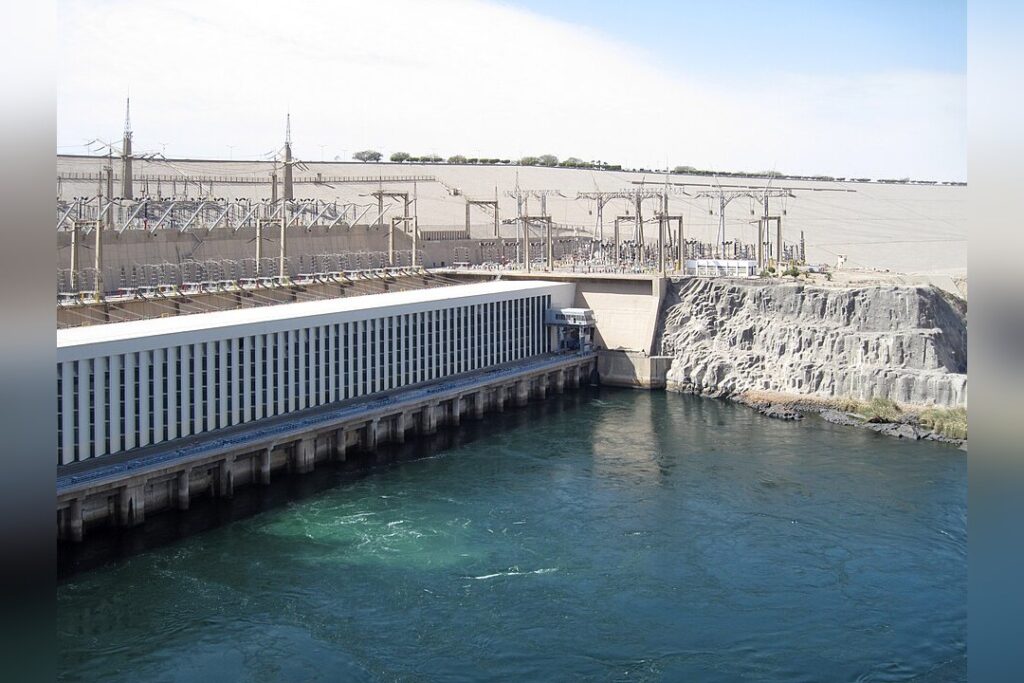
This evolution carries weight far beyond Canada because hydroelectricity remains the single largest source of renewable electricity globally. It provides a large share of power in countries such as Brazil, Norway, and China. The principle of using water for mechanical work is ancient — waterwheels were used in China during the Han dynasty more than two millennia ago, and in the late eighteenth century, hydraulic power helped launch the Industrial Revolution. Large-scale hydroelectric dams emerged in the twentieth century, turning rivers into vast sources of grid electricity.
Yet the technology faces inherent limits. Suitable dam sites are geographically constrained, and new construction can flood arable land, displace communities, and disrupt river ecosystems. Even existing dams alter sediment flow and fish migration. The environmental and social costs mean that building more large dams is no longer a straightforward answer. Instead, attention has shifted to making existing hydro systems smarter, with storage technologies — including pumped hydro and batteries — giving hydropower the flexibility that a growing clean-energy system demands.
The next few years will show whether Canada can turn its water wealth into a model for the 21st-century grid. The quiet race to improve storage and market design is not just a technical debate; it shapes whether hydropower can continue to serve as a dependable clean backbone in an era of rapid change driven by industrial electrification and data-center growth. The work, fueled by science and a willingness to rethink old systems, is only just beginning.




