
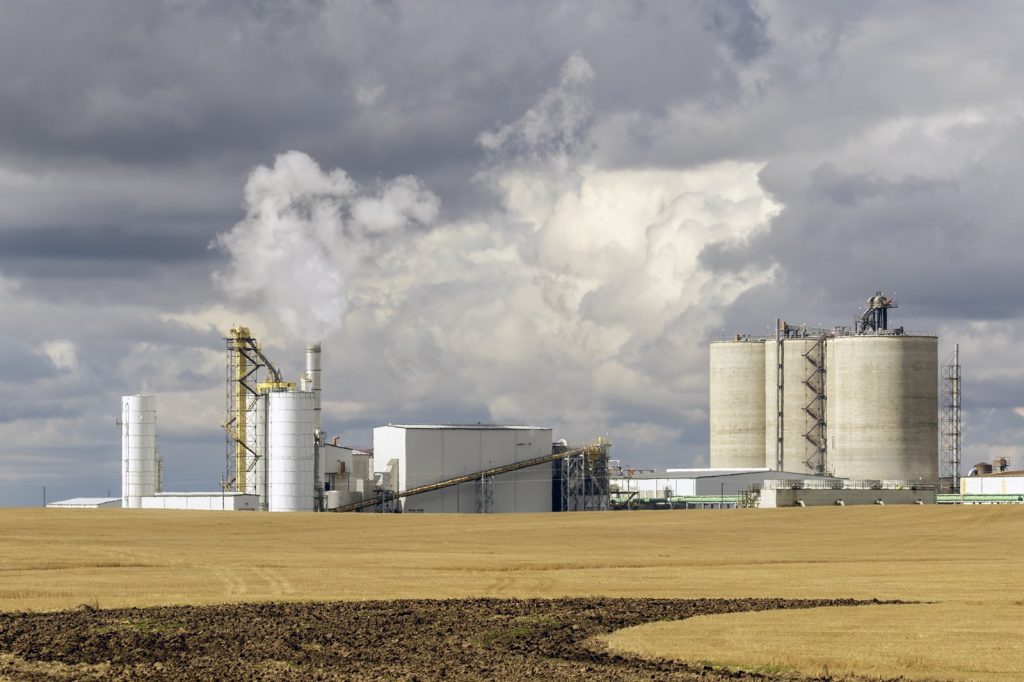
Carbon capture and storage (CCS) – the process of extracting carbon dioxide (CO₂) from industrial or natural sources, transporting it, and sequestering it in deep geological formations – has become a focal point in global efforts to curb greenhouse‑gas emissions. While the technology originated in the mid‑20th century, when oil and gas firms first employed CO₂ for natural‑gas purification and enhanced oil recovery (EOR), its role as a climate‑mitigation tool only entered serious policy discussions in the 1980s and accelerated in the 2000s.
Today, the dual function of CCS, often termed carbon capture, utilization, and storage (CCUS), is evident in the way captured CO₂ is put to work. Roughly 80 % of the CO₂ captured each year is directed to EOR projects, where the gas is injected into partially depleted oil reservoirs. The injection boosts oil extraction, and the majority of the CO₂ remains trapped underground, delivering both increased hydrocarbon recovery and permanent carbon storage.
Despite its promise, the rollout of CCS projects has encountered steep obstacles. A 2022 review highlighted that about 70 % of announced CCS initiatives never progressed beyond the planning stage. The electricity sector faced the steepest setbacks, with a failure rate exceeding 98 %. These figures underscore a gap between ambition and execution, pointing to technical, financial, and regulatory challenges that must be addressed.
Nevertheless, progress is measurable. By 2024, CCS technology was operating at 44 plants worldwide, marking a notable milestone in the technology’s maturation. These operational sites span a range of applications, from large natural‑gas processing facilities to power‑generation units, illustrating CCS’s versatility across sectors.
The continued expansion of CCS is expected to play a pivotal role in the transition to a lower‑carbon energy system. Ongoing research aims to improve capture efficiency, lower costs, and streamline the transport and storage phases. At the same time, evolving regulatory frameworks and shifting market conditions are likely to influence investment decisions and project viability.
Looking ahead, the scalability of CCS will depend on several factors: advancements that make capture cheaper and more reliable, policies that provide clear incentives or mandates, and the ability of the industry to manage the high upfront capital requirements. As nations intensify their climate commitments, CCS remains a technology that can complement renewable energy, energy efficiency, and other decarbonisation pathways.
Stakeholders—including governments, industry players, and research institutions—are closely monitoring the sector’s development. The coming years will reveal whether CCS can move from a handful of pilot and early‑stage projects to a broadly deployed solution capable of delivering substantial emissions reductions on a global scale.




