
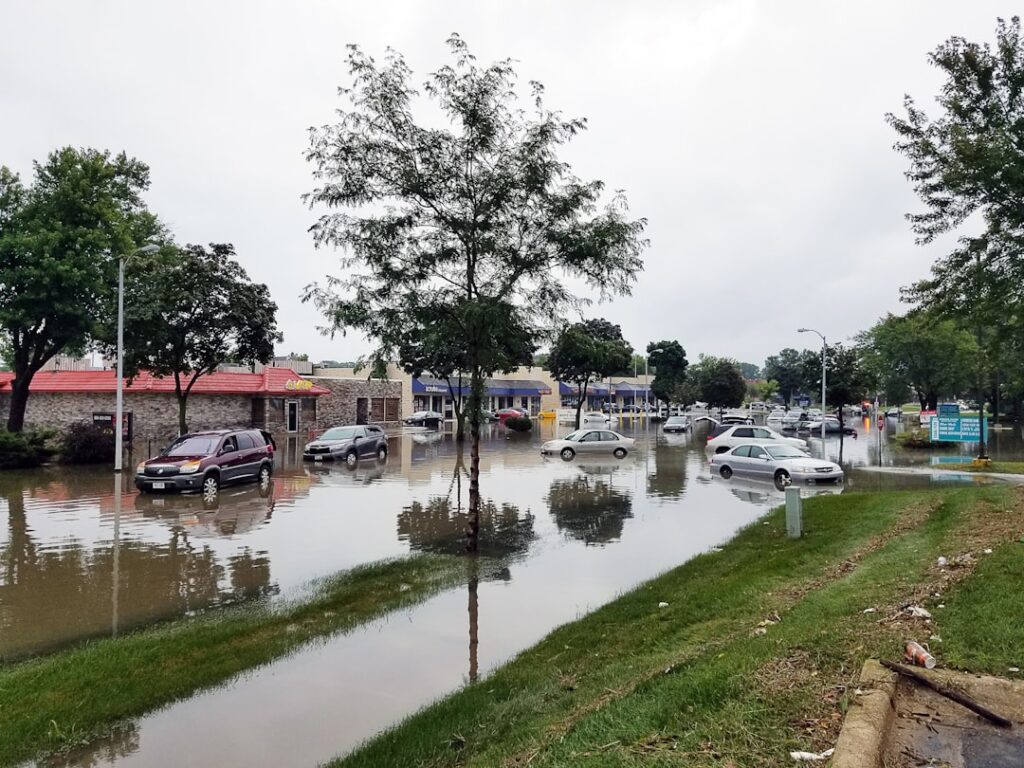
Central Vietnam’s geography has never been kind to its people. The narrow strip of land between the Truong Son mountain range and the South China Sea funnels storms and water with brutal efficiency. This week, at least nine people are dead and five more are missing after floods swept through the region.
Major cities — Đà Nẵng, a port and economic engine, and Hội An, a tourist magnet known for its ancient streets — are underwater. The official death toll will likely rise.
Rescue crews are still searching. But the numbers alone miss the deeper story. Central Vietnam floods every year.
Typhoons hit with predictable ferocity. What is changing is the cost. Đà Nẵng grew fast over the last two decades.
High-rises, resorts, industrial zones. The city’s population swelled. Hội An’s UNESCO-listed old town drew millions of visitors.
That development happened on land that floods. Drainage systems, built for an older, smaller city, cannot handle the volume. When the water comes now, it hits more people, more property, more infrastructure.
The damage is not just deeper — it is wider. The region’s economy depends on two things: agriculture and tourism.
Rice paddies and fishing villages line the coast. Hotels and souvenir shops fill the ancient quarters. Floods wipe out both.
Crops rot in standing water. Tourists cancel trips.
The recovery money flows in from Hanoi and from aid groups, but it never fully replaces what was lost. Each flood erodes a little more of the region’s economic base. The Vietnamese government responded quickly.
Emergency services deployed. Aid organizations moved in. That is standard procedure.
But quick response is not the same as long-term protection. The country has built reservoirs, raised dykes, improved forecasting.
Still, the water keeps rising. Climate models predict stronger storms and more intense rainfall for this part of Southeast Asia. The sea surface temperature is climbing.
Warmer water feeds bigger typhoons. Central Vietnam sits right in the path.
The region’s vulnerability is not a bug in the system — it is the system. The same geography that made these cities trading hubs and tourist destinations also makes them flood zones. Hội An’s ancient town was built to withstand seasonal flooding.
The old houses have high ground floors. The streets were designed to drain. But the scale of modern development has overwhelmed that traditional architecture.
New construction does not always follow the old rules. Concrete does not absorb water.
Paved roads channel it. The floodplain shrinks, and the water has nowhere to go but into homes and businesses. Đà Nẵng faces a different problem. As a major port and industrial center, it cannot afford to shut down every time it rains.
But the city sits on low-lying ground at the mouth of the Han River. When the river swells and the sea pushes back, there is no easy outlet for the water.
The floods that hit Đà Nẵng are not just weather events. They are infrastructure failures. The missing five people may still be found.
The dead nine will not come back. Their families will receive compensation from the government. The houses will be rebuilt.
The tourists will return, eventually. But the cycle will repeat.
Next year, or the year after, another storm will track across the South China Sea and slam into the coast. Central Vietnam will flood again. The only question is how many will be caught in the water when it comes.




