
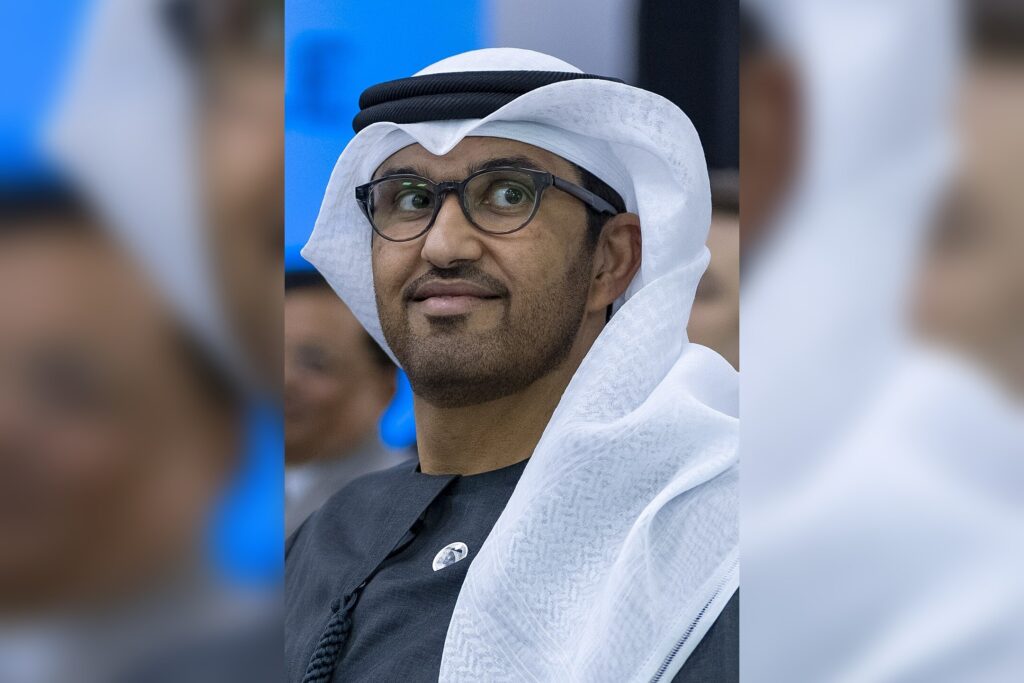
COP28 Presidency Under Fire After Rejecting Fossil Fuel Phase‑Out Calls
The latest round of COP28 negotiations has become tense after the conference president, Sultan Al Jaber, turned down proposals that would have called for a phased elimination of fossil fuels. His decision drew immediate pushback from several participants, who labelled the move as a sign of climate‑change denial. Al Jaber holds two prominent positions in the United Arab Emirates: he is the country’s special envoy for climate change and the chief executive of the Abu Dhabi National Oil Company (ADNOC).
His selection to lead the COP28 summit was greeted with strong opposition from environmental groups, who pointed to his history of expanding oil and gas output at ADNOC as evidence of a conflict of interest. During his tenure at ADNOC, Al Jaber has overseen a notable increase in hydrocarbon production, a trajectory that runs counter to the growing demand from scientists and activists for the industry to cut back on extraction and limit greenhouse‑gas emissions.
Critics argue that this background makes it difficult for him to champion a transition away from fossil fuels, and they say his rejection of phase‑out language weakens the urgency that the talks are meant to convey. Beyond his current roles, Sultan Ahmed Al Jaber was born on 31 August 1973 and has served as the UAE’s minister of industry and advanced technology and as chairman of Masdar, the nation’s renewable‑energy venture.
Observers note that his appointment to the COP28 presidency was controversial precisely because of his deep ties to the fossil‑fuel sector, a fact that environmental advocates say undermines the credibility of the process. The criticism surrounding his leadership highlights the broader difficulty of reconciling economic interests tied to hydrocarbon wealth with the imperative to curb climate change.
Even amid the dispute, many delegates stress that advances in renewable energy, carbon‑capture technologies and related research offer a pathway to lower dependence on coal, oil and gas. They contend that sustained investment in these areas is essential for any meaningful shift toward a low‑carbon future. Al Jaber himself has said that the Emirates are committed to cutting their carbon footprint and are allocating substantial resources to clean‑energy projects and innovative technologies.
However, the speed of that transition remains a point of contention, with many participants insisting that more aggressive measures are required to meet the scale of the climate challenge. As the COP28 discussions continue, the global community watches closely to see how the summit will address the tension between fossil‑fuel interests and climate goals.
The rejection of phase‑out proposals has sparked debate, but it also underscores the complexity of achieving consensus on energy transformation. Looking ahead, the next several weeks are seen as decisive for the outcome of the talks. World leaders are expected to grapple with a range of obstacles, yet many remain hopeful that continued funding for research and technological development can pave the way for a more sustainable trajectory.
The UAE, under Al Jaber’s direction, is positioned to influence the international response, particularly through its investments in renewables and clean‑tech initiatives. Ultimately, the situation underscores that addressing climate change will demand coordinated action from governments, corporations and individuals.
While the obstacles are considerable, the potential for innovation and progress offers a reason for optimism, and the international community awaits the results of the ongoing negotiations.




