
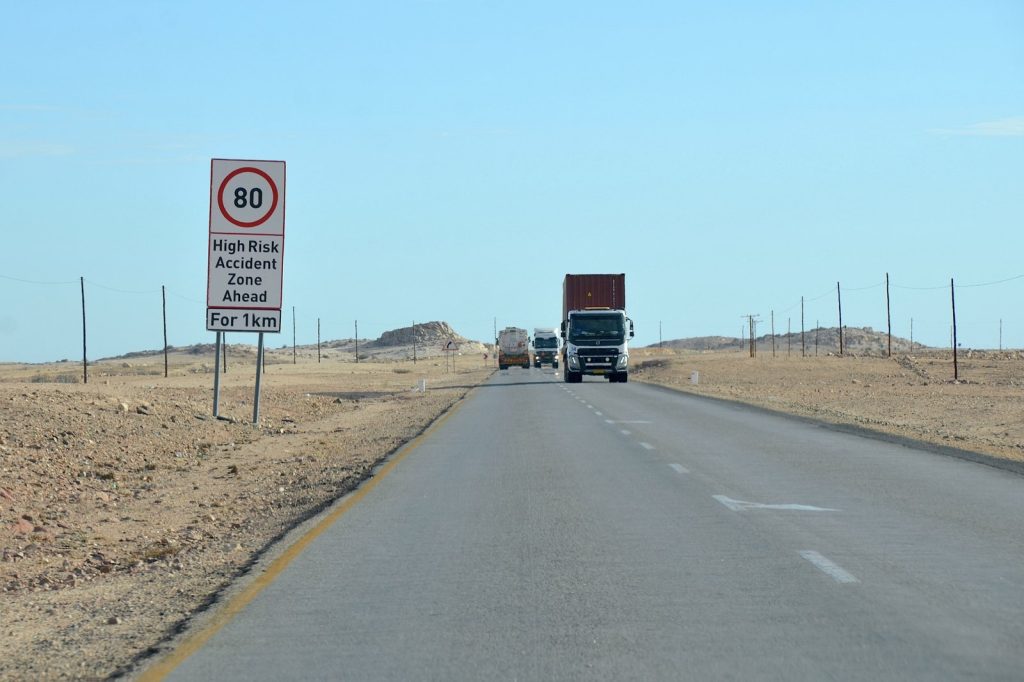
On May 1, 2026, a head‑on collision between a passenger bus and a truck on the B1 road near Otjiwarongo claimed the lives of 11 people. The bus, which was transporting medical personnel and patients, struck a heavy‑load truck, creating a fatal wreck that has reverberated throughout the central‑north region of Namibia.
The tragedy has intensified scrutiny of road safety on the B1, a principal artery that links Otjiwarongo with Windhoek, the mining towns of Otavi, Tsumeb and Grootfontein, and the tourist hub of Etosha National Park. Frequent movement of large vehicles, combined with the road’s condition, has long been identified as a risk factor for serious accidents. Otjiwarongo, the capital of the Otjozondjupa Region and home to roughly 49 000 residents, serves as the region’s main commercial centre.
Situated on the TransNamib railway line, the town benefits from a range of amenities—including supermarkets, banks, lodges and hotels—that support both local commerce and the steady flow of tourists heading to nearby attractions such as Etosha. Beyond its economic role, Otjiwarongo’s growth has prompted calls for a balanced approach to development.
Environmental considerations are especially pressing given the town’s proximity to the sensitive ecosystems of Etosha National Park. Local officials and business leaders have highlighted the need to adopt renewable energy sources and sustainable practices to curb reliance on non‑renewable power and protect the surrounding landscape. The recent crash underscores the urgency of improving transportation safety. Experts point to three immediate actions: regular maintenance of the B1 highway, stricter enforcement of traffic regulations, and public education campaigns aimed at promoting cautious driving among professional drivers and private motorists alike.
By addressing these areas, authorities hope to reduce the likelihood of future high‑fatality incidents. Community response has been one of mourning and resolve.
Families of the victims, many of whom were healthcare workers, have called for a thorough investigation into the circumstances of the collision. Local hospitals have been mobilised to treat the injured, while emergency services continue to support families affected by the loss. Looking ahead, the Otjozondjupa regional administration plans to collaborate with national transport agencies, private sector partners and civil‑society groups to reinforce safety standards on the B1.
Parallel to these efforts, the region is expected to increase investment in clean‑energy projects, aiming to safeguard both the environment and the long‑term energy security of the area. Otjiwarongo’s position as a gateway to Namibia’s premier wildlife reserve and a hub for agriculture, tourism and mining makes its continued prosperity dependent on safe, reliable infrastructure and responsible development.
The recent tragedy, while deeply tragic, may serve as a catalyst for comprehensive reforms that enhance road safety, promote sustainable growth and preserve the natural heritage that draws visitors from around the world.




