
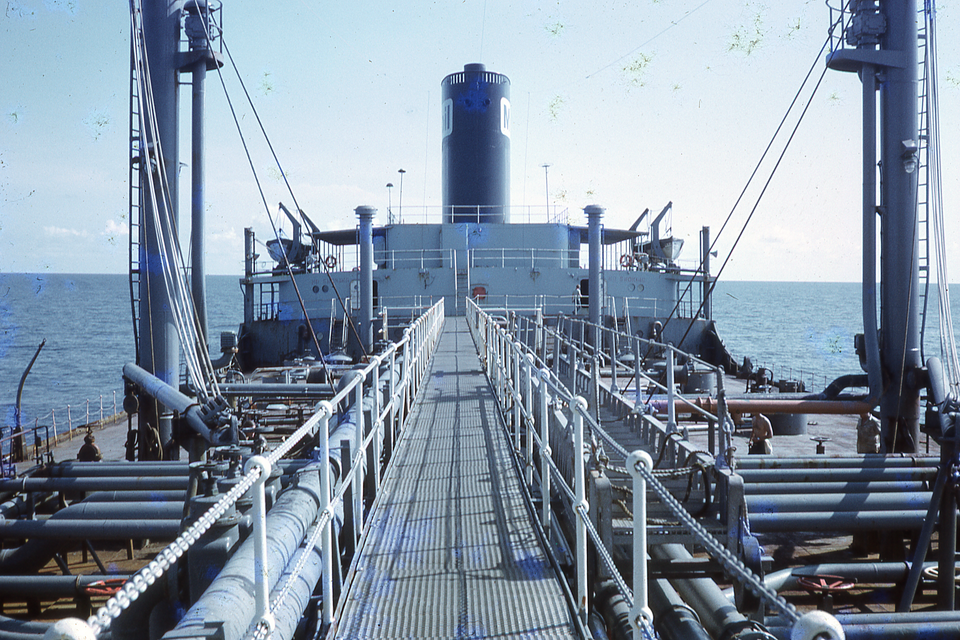
Two US officials told CNN that 40 commercial ships carrying some 18 million barrels of oil crossed the Strait of Hormuz under US military escort in a single day. Ship trackers recorded nothing like it. Kpler counted six vessels crossing on the Wednesday of the same week.
The gap sits at the center of a dispute between Washington and Tehran over who controls the waterway, which has been closed since the US-Israel war on Iran began six months ago, according to Al Jazeera.
What Washington says
President Donald Trump claimed last month that the US was in “total control” of the strait, and he later described it as “under USA control.” He said the US Navy was helping some 30 ships pass each night. Treasury Secretary Scott Bessent put the oil flow at “at least 10 million barrels” a day, and between 15 million and 17 million on one Monday. US CENTCOM commander Brad Cooper said the previous week that the military had cleared the transit lanes of sea mines.
In peacetime, the strait carries one-fifth of the world’s oil and gas. Before the war, an average of around 100 ships and 20 million barrels of oil passed through each day.
What Iran says
Iran says the strait remains under its control and is closed except to pre-approved vessels using its designated channels. Parliament Speaker Mohammad Bagher Ghalibaf conceded that “the enemy managed to get some ships” through. He insisted Iranian forces remain “in complete control of the strait and will not allow it to be opened,” and he accused the US of giving ships “false guarantees” about a southern route.
The Islamic Revolutionary Guard Corps then claimed two oil tankers hit mines and were disabled on an “illegal route.” Saudi Arabia, for its part, said an Iranian attack hit a Saudi oil tanker and killed two Filipino sailors.
What the trackers show
PortWatch figures put the average at seven vessels a day since March. Kpler recorded five vessels on Monday, 11 on Tuesday and six on Wednesday, with a 10-day average of 13 per day. Lloyd’s List Intelligence logged around 12 transits a day from August 26 to September 1. For August 17 to 23 it recorded “about 14 non-Iranian-linked ships each day,” its maritime intelligence and research director, Bridget Diakun, told Al Jazeera.
The Joint Maritime Information Center said in a September 1 advisory that commercial traffic was “far below baseline,” despite a “modest uptick from recent lows.” It rated the risk level “severe,” citing drifting or uncharted mines.
Part of the gap may come from counting. Diakun noted that Lloyd’s counts only cargo-carrying vessels over 10,000 dwt. Eirik Hooper of the consultancy Drewry said a US tally “plausibly includes everything that moved under or near naval protection,” from tugs to dhows. He added that tracking data can lag, since many crossings are “dark” and get backdated once found.
The WTO and AXSMarine’s Hormuz tracker, which sees only vessels broadcasting AIS, found July and August shipping severely disrupted. Outbound crude was limited to isolated shipments, LNG was essentially absent after early August, and fertilizer-related outbound shipments stayed subdued. Dark tanker transits rose over the same period, so visible figures may overstate the drop.
Sources
- How much oil is going through Hormuz? Why data doesn’t match US claims
- WTO Data Lab — Where data innovation meets global trade




