
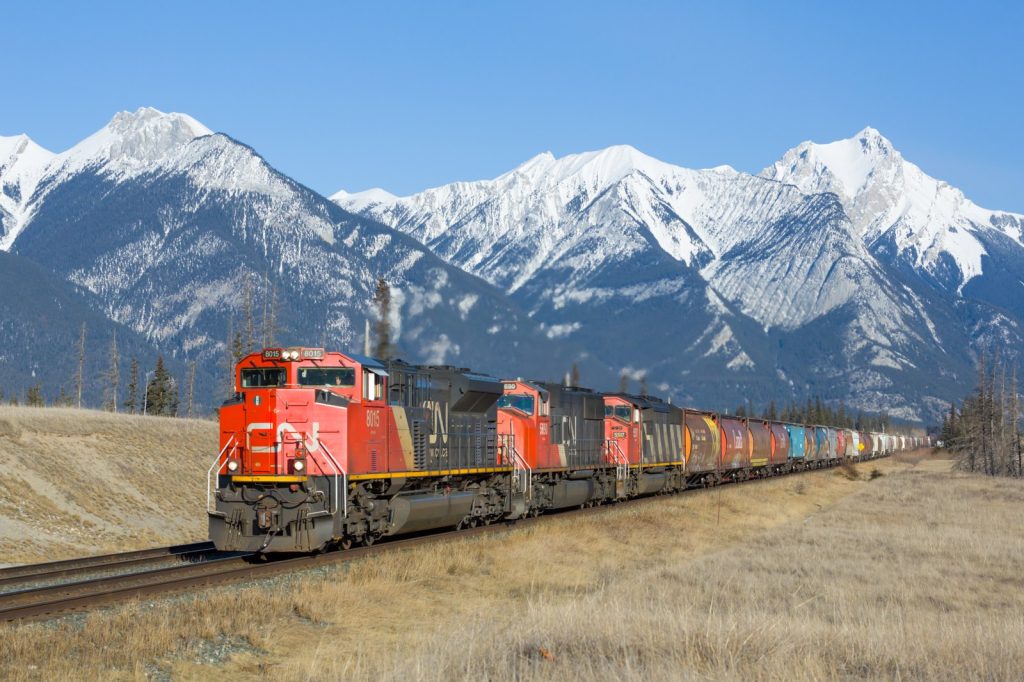
The global economy runs largely on a single technology: the diesel engine. From the locomotives hauling grain out of the Midwest to the heavy trucks restocking supermarket shelves across the country, diesel power moves approximately 90% of all freight worldwide. In the United States, diesel trucks carried about 72.5% of all freight by weight in 2022, according to the American Trucking Associations.
Diesel locomotives handle roughly 40% of U.S. rail freight when measured by ton-miles. The figures underscore a near-total dependence on a system that originated more than a century ago and has since become deeply embedded in every sector of commerce.
The Foundation of Modern Freight
The diesel engine is an internal combustion engine that ignites fuel by compressing it rather than using a spark. Developed in the late 1800s by an engineer seeking a more efficient alternative to steam power, the design saw slow adoption at first. By the middle of the 20th century, however, it had found steady footing in heavy industry and transportation because it delivered strong torque and used fuel that was then inexpensive. Rail and shipping operators adopted it widely in the decades that followed.
Before mechanical power, freight movement relied on animals and simple carts. The shift to engine-driven haulage reshaped trade and supply chains across continents, and diesel remains the dominant force in that transformation.
That dominance extends well beyond transport. In American agriculture, about 80% of farm tractors run on diesel. On construction sites, an estimated 90% of heavy equipment is diesel-powered.
The global diesel engine market was valued at $220 billion in 2022 and is projected to reach $280 billion by 2030, according to Grand View Research. Those numbers reflect an engine that continues to power the backbone of the economy, from the fields to the factory floor to the final delivery.
Efficiency Savings and Environmental Costs
The endurance of diesel stems in large part from its fuel economy. Diesel engines are about 30-40% more efficient than gasoline engines, a gap that saves the U.S. trucking industry an estimated $40 billion annually in fuel costs. That efficiency has kept trucking companies and railroads committed to the technology through decades of regulatory pressure.
But the environmental ledger is stark. According to the Environmental Protection Agency, diesel emissions contribute to about 38% of all transportation-related nitrogen oxide pollution in the United States.
Nitrogen oxides are key precursors to ground-level ozone and fine particulate matter, both linked to serious respiratory and cardiovascular health problems. The tension between the economic utility of the diesel engine and its public health toll is acute. The engine still carries most of the goods that people depend on daily.
Its efficiency keeps costs down for consumers and businesses alike, yet its emissions remain a persistent target for regulators who must weigh the benefits of cleaner air against the consequences of disrupting a system that moves the nation’s freight. The engine matters now precisely because of that tension.
As the global diesel engine market continues to grow, and as approximately 90% of freight worldwide still depends on diesel power, the question of how to balance economic necessity with environmental and health imperatives remains unresolved. The same technology that enables the efficient movement of grain and automobiles across the plains also produces the pollution that regulators have tried for decades to reduce. The rail yard outside Chicago, where locomotives idle in the summer heat, is just one place where that enduring conflict plays out every day.




