
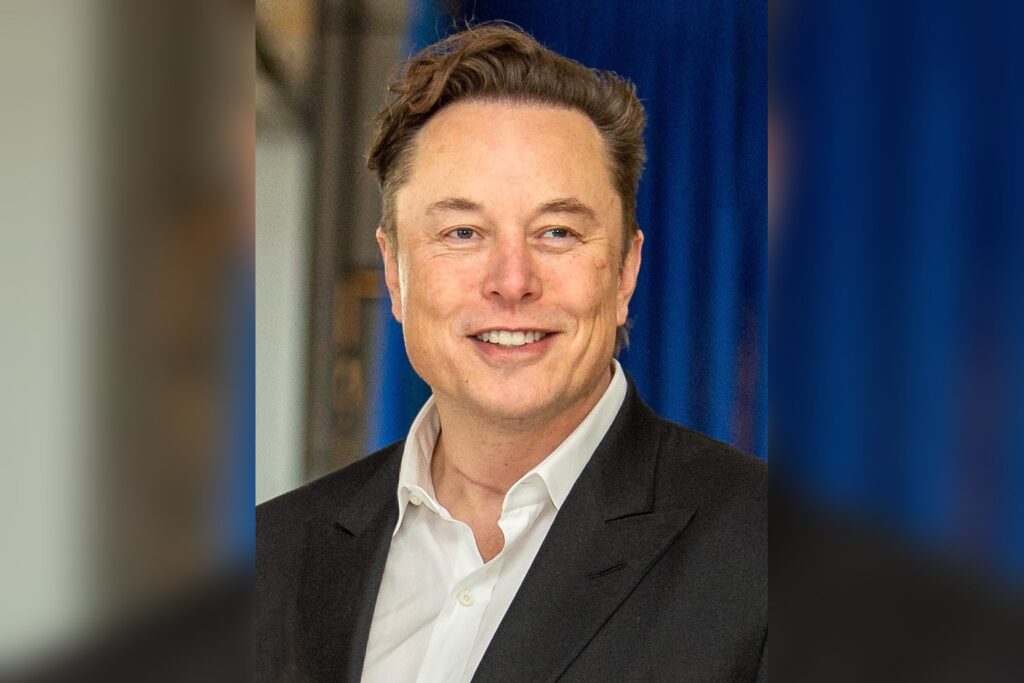
CAPE CANAVERAL, July 13 — The long-running rivalry between Elon Musk and Jeff Bezos has entered a new chapter, and the early findings suggest a shift in the competitive landscape is underway. Musk, born in 1971, founded SpaceX in 2002 with the stated goal of reducing space transportation costs to enable Mars colonization. Bezos, born in 1964, founded Blue Origin in 2000 with a vision of millions of people living and working in space.
The two billionaires have a long-standing rivalry that has included disputes over patents and launch pad usage. For years, the scoreboard has been clear.
Musk’s SpaceX has been more commercially successful. The company generated over $10 billion in revenue in 2022. Blue Origin, by contrast, has focused heavily on development, with revenue estimated at $1 billion in 2022 from contracts including the NASA Human Landing System, which was awarded in 2021.
Bezos has invested over $5 billion of his own money into Blue Origin.
The New Glenn breakthrough
The recent success of Blue Origin’s New Glenn rocket marks a turning point in their competition. This is not a claim of a finished race, but rather an observation that the gap between the two companies may be narrowing. The New Glenn achievement provides Bezos with a credible heavy-lift vehicle that can compete for the same national security and commercial satellite launch contracts that have been a mainstay of SpaceX’s business.
The encouraging part for Blue Origin is that this success validates a development-first approach that has sometimes been criticized as too slow. Patients should note that in the space industry, a single successful test flight does not guarantee a sustained advantage.
What this means for the space sector
The rivalry between Musk and Bezos has driven significant private investment into space technologies. SpaceX’s commercial success has demonstrated that there is a viable market for launch services. Blue Origin’s New Glenn success suggests that the market may be large enough for two major players.
The competition also extends to NASA’s Artemis program, which aims to return humans to the Moon. Blue Origin’s Human Landing System contract is a direct competitor to SpaceX’s Starship-based lander.
Both companies are now developing hardware that could shape how the United States approaches lunar exploration.
Looking ahead
What to watch next is whether Blue Origin can translate the New Glenn success into a steady cadence of launches and a growing customer base. SpaceX has years of operational experience and a proven track record of reliability. Blue Origin is now in the position of having to prove that it can operate at the same commercial scale.
For patients following this story, the advice is straightforward: consult your doctor—or in this case, consult the launch manifest. The real test will be whether Blue Origin can sustain this momentum and turn a single success into a long-term competitive position.
The rivalry between these two founders is far from settled, but the New Glenn achievement gives Bezos something he has not had before: a credible argument that his vision for space is not just a dream, but a working reality.




