
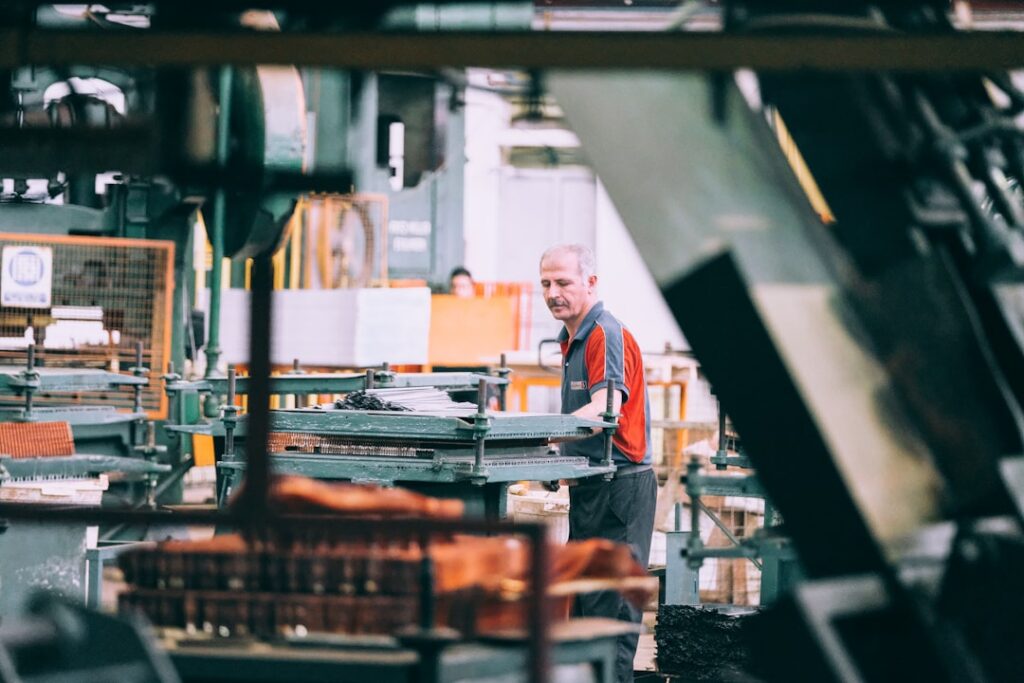
On 17 October 2025, an explosion ripped through the Sterlie tamak explosives plant in the Russian republic of Bashkortostan. The blast killed three employees and left eight more with injuries, according to local reports.
The Sterlie tamak site is one of numerous Russian factories that manufacture explosives, ammunition and other munitions for the nation’s defence sector and for civilian markets where firearms are permitted. The incident highlights the perpetual hazards associated with handling high‑energy materials, even in plants that operate under stringent safety regimes. Authorities are expected to open an investigation that will examine typical causative factors such as equipment malfunction, operator error, or unanticipated technical failures.
These elements are routinely scrutinised after similar accidents in the global munitions industry. While the plant adheres to comprehensive safety protocols, the very nature of explosive production involves intricate processes and volatile substances.
A single lapse—whether a mechanical fault or a procedural slip—can trigger a chain reaction that ends in tragedy. The human toll of the Sterlie tamak explosion is immediate: three workers have died and eight are receiving medical treatment. Families in the city are mourning, and the local community reports a heightened sense of insecurity following the incident. Beyond the personal losses, the plant’s operations may face temporary shutdowns while investigators conduct safety reviews.
Any interruption could ripple through supply chains that depend on the facility’s output, affecting both military contracts and civilian customers. In the longer term, the event is likely to prompt tighter regulatory oversight.
Safety procedures, staff training programmes and equipment standards could be reassessed and upgraded as a direct response to the findings of the inquiry. Nevertheless, experts note that such reactive measures do not erase the underlying risk inherent in the production of hazardous materials. Continuous vigilance is required, as paperwork and protocols alone cannot guarantee safety.
Russia’s defence industry relies heavily on plants like Sterlie tamak, which play a pivotal role in maintaining military readiness and fulfilling commercial orders. A disruption at this facility may have broader implications for national defence capabilities and for regions that depend on the plant’s economic contribution.
The forthcoming investigation will determine the precise cause of the explosion and assign responsibility, following the standard procedure after industrial accidents of this nature. Past incidents in the sector have typically led to cycles of blame, reform, and a gradual return to production. For now, the focus remains on the victims: three workers whose lives were cut short and eight others coping with injuries.
Their families, colleagues and the wider Sterlie tamak community are left to deal with the aftermath. Although the plant is expected to resume operations after completing the required safety assessments, the memory of the blast and its human cost will linger in the region for months to come.




