
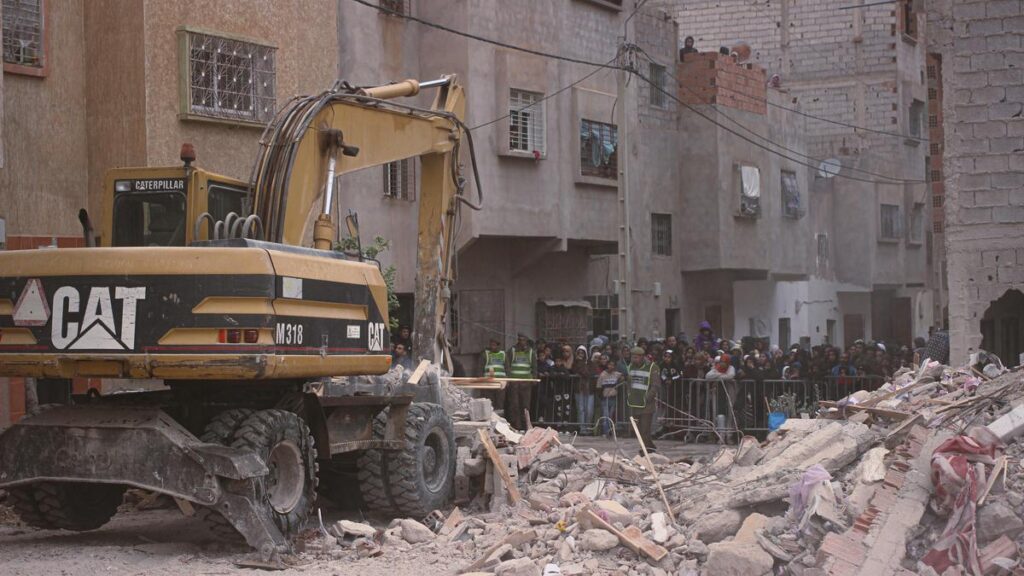
The city of Fez, home to 1.256 million residents according to the 2024 census, was struck by a devastating incident on 10 December 2025 when two adjoining buildings collapsed, killing 22 people and leaving several others injured. The disaster has drawn attention to the vulnerability of the city’s historic construction methods, prompting calls for a thorough review of building safety across the region.
Rescue teams continue to comb through the rubble, providing medical assistance to the injured and searching for any remaining survivors. Their immediate priority is to care for those trapped or harmed by the collapse, a task that remains urgent as investigators begin a detailed examination of the site. Preliminary observations from the scene suggest that the structures were likely built using traditional materials and techniques that have been a hallmark of Fez’s architecture for centuries.
Stone, brick, timber and lime‑based mortar, while characteristic of the city’s historic aesthetic, can deteriorate over time if not properly maintained. Experts note that such materials may become prone to failure as mortar crumbles, foundations shift, or timber rots, especially in the absence of regular inspections or reinforcement.
Fez, founded in the 8th century, is renowned for its old town that winds along the Fez River, flanked by hills and the Atlas Mountains to the northwest. The urban landscape is dominated by low‑rise, culturally significant buildings rather than modern high‑rises. While this historic charm attracts tourists and scholars, it also means that many structures predate contemporary safety standards.
Authorities in the Fez‑Meknes administrative region, which lists Fez as its capital and a key cultural‑economic hub, have pledged support for the victims’ families. At the same time, they face a broader challenge: assessing the safety of the city’s extensive stock of older buildings, many of which share the same construction methods as the collapsed pair.
The investigation will follow standard procedures for structural failures, examining factors such as material degradation, design flaws, foundation stability, and possible external influences like weather conditions. While the exact cause of the December collapse remains undetermined, officials acknowledge that a combination of age, neglect, and outdated building practices could have contributed. Moroccan cities with similar historic fabric may confront comparable risks, according to the report accompanying the incident. This is not presented as alarmist speculation but as a logical inference drawn from the facts: traditional construction, when left without proper upkeep, can become a safety hazard.
As the death toll stands at 22 with additional injuries reported, the community of Fez is grappling with the loss and the urgent need for preventive measures. The tragedy underscores a critical tension between preserving cultural heritage and ensuring modern safety standards.
The outcome of the ongoing inquiry will likely shape future policies on building inspections, retrofitting, and maintenance for historic structures throughout Morocco. The collapse on 10 December 2025, set against the backdrop of a city of over one million inhabitants, serves as a stark reminder that the intersection of historic charm and contemporary safety cannot be ignored. The lives lost highlight the human cost of inaction, while the investigation aims to prevent further casualties by addressing the underlying vulnerabilities of Fez’s traditional architecture.




