
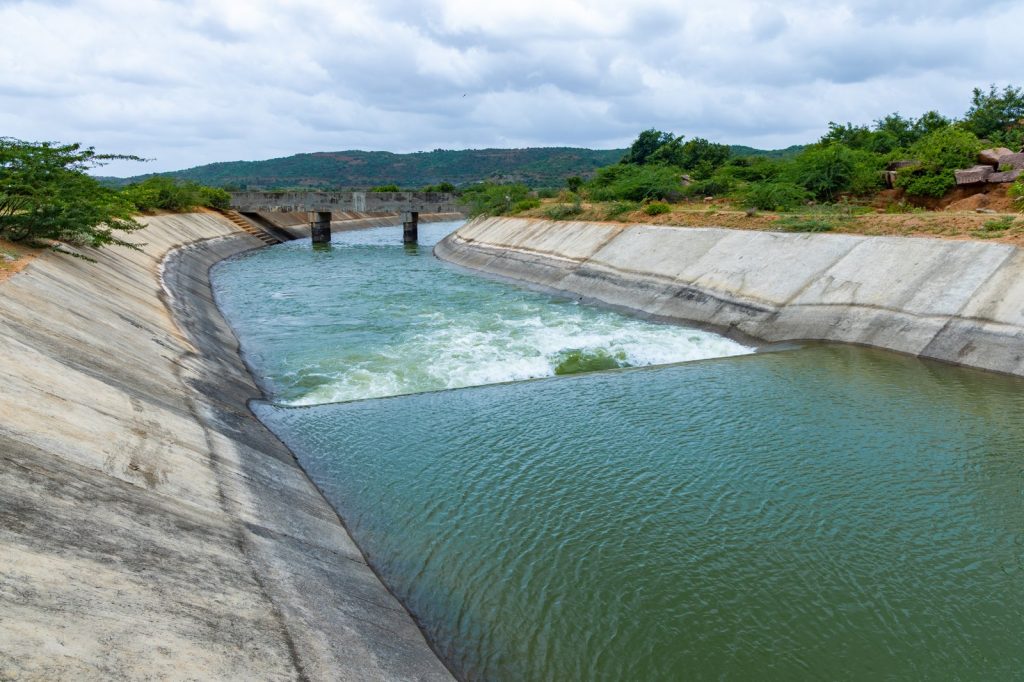
SRIRANANGAPATNA, India — On November 2, 2025, a community in Srirangapatna taluk reeled from a tragic drowning that claimed the lives of four young girls. Their accidental demise in a local irrigation canal has triggered an outpour of grief and urgent calls for safety measures, reviving concerns about the risks that water bodies pose to unsuspecting individuals, especially children. The lack of proper fencing or warning signs around the canal, which is known for its depth and fast-moving water, has exacerbated the danger.
It serves as a vital source of water for the local agricultural industry. However, this incident has shoved into sharp relief the need for enhanced safety measures and public awareness around such water bodies.
Fatal accidents like this underscore the importance of a safety-first approach in managing our natural resources, especially when their misuse can lead to such devastating consequences. The local authorities have announced an investigation into the incident. While the focus remains on determining the circumstances surrounding the girls’ deaths, Srirangapatna and its residents grapple with the reality that such a tragedy could have been prevented.
The community has come together in solidarity to support the families of the victims, with many demanding improved safety measures around the canal. But this reaction also signals a broader need for India to engage more deeply with renewable energy sources and water conservation efforts.
In recent years, the push for renewable energy has grown stronger. Solar and wind power have emerged as viable alternatives to traditional fossil fuels. This shift isn’t just about energy security or cost-effectiveness.
By moving towards renewable energy, India can potentially decrease its reliance on water-intensive farming practices, thereby reducing risks associated with irrigation canals and promoting a sustainable future. India has already made strides with government initiatives promoting renewable energy and cutting the carbon footprint. Investments in solar and wind power infrastructure have led the charge, supported by programs aimed at increasing energy efficiency and reducing water waste.
In a world where the risks associated with irrigation canals are minimized, and the environment is protected, Srirangapatna’s tragedy becomes a mere footnote in history. It’s about creating a safer, more prosperous world for future generations by ensuring we are better stewards of our planet’s resources. As Srirangapatna begins the long path to healing and recovery, this tragedy should serve as a reminder of the urgent need to work towards a clean and sustainable environment.
Recently, there’s been an increasing emphasis on the importance of protecting our planet’s natural resources, including water bodies, and ensuring their responsible usage. A clean and healthy environment is not just essential for human well-being but also crucial for the survival of wildlife.
The collective responsibility of preserving this environment for future generations should not be understated. The tragic loss of the four girls in Srirangapatna is a sombre reminder of the need to prioritize the development of renewable energy sources while implementing effective water management strategies. The goal should be to build a world where such tragedies are a thing of the past.
This is not just about Srirangapatna, it’s about every corner of our world, wherever our home may be.
Background and why it matters
India’s geological and socioeconomic makeup are the result of thousands of years of human activity and cultural evolution. Throughout its history, the interaction between humans and the environment has been marked by fluctuating engagement, with distinct periods of agricultural advancement, social stratification, and technological innovation. Water, as a fundamental resource, has played a crucial role in the country’s development, shaping both its economy and cultural practices. The country’s diverse civilization has created a multilayered approach to water management, with varying degrees of emphasis on safety and environmental stewardship.
India’s emergence as an independent country in the 20th century marked a new chapter in its relationship with natural resources. Amidst rapid industrialization under British rule, India became entwined with Western technological advancements that sought to harness water for energy and agriculture. Following its independence and partition, India embarked on a journey to manage its water resources in a manner that could provide for a rapidly growing population and a transforming economy. Today, India’s increased investment in renewable energy and safe water practices demonstrates a commitment to balancing economic development and environmental sustainability.
The sinking of the four young girls in Srirangapatna is a tragic reminder of the importance of water safety measures in rural India. It reflects the broader challenges and responsibilities that have arisen in the stewardship of India’s renewable resources. As the country expands its adoption of renewable energy sources, events like this highlight the urgent need to ensure their safe execution and integration into communities, particularly for vulnerable populations such as children. The incident underscores India’s ongoing commitment to navigate its economic growth and environmental concerns while safeguarding the lives and well-being of its people.




