
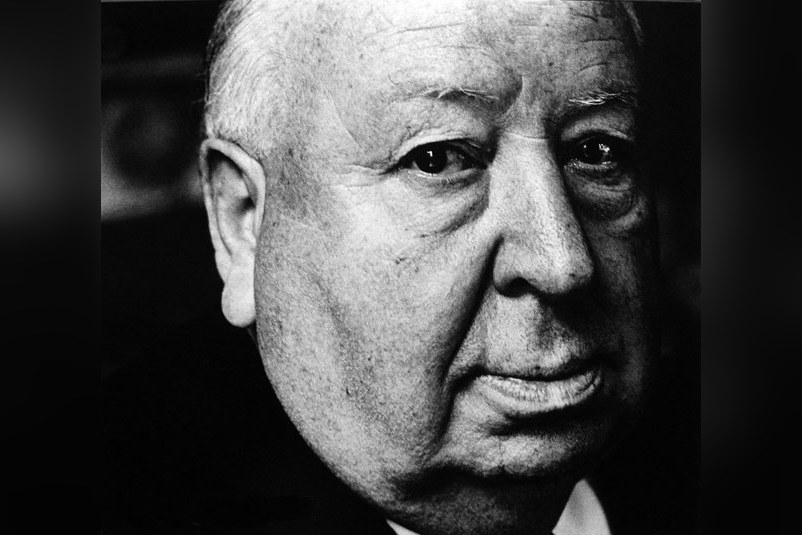
LOS ANGELES, October 5 — The art of the film cameo has evolved from subtle directorial signatures to strategic narrative devices, tracing its roots back to Alfred Hitchcock’s frequent appearances in his own films beginning in the 1920s. Hitchcock established a tradition of directors appearing within their own works, making cameo appearances in thirty-nine of his fifty-two major films. Often appearing as background figures—boarding a bus or fixing a clock—Hitchcock positioned himself as a playful presence within the diegetic world.
This practice laid the groundwork for later uses of cameos as homage, humor, or narrative surprise. The modern era has seen the Marvel Cinematic Universe systematize the cameo as both fan service and narrative connective tissue.
Stan Lee appeared in every MCU film from 2008’s Iron Man to Avengers: Endgame in 2019, totaling twenty-three appearances before his death in November 2018 at age ninety-five. Lee’s cameos, often humorous and non-speaking, became a ritual for audiences and a symbol of his creative legacy.
Directors and Their Signature Appearances
Other notable cameo traditions include Quentin Tarantino’s recurring appearances in his films, such as in Pulp Fiction (1994) and Once Upon a Time in Hollywood (2019). Directors like Peter Jackson also joined this tradition, appearing in all three Lord of the Rings films. Cameos have served narrative functions beyond Easter eggs.
In the TV series Friends, celebrities such as Brad Pitt (appearing in 2001 as Will Colbert) and Julia Roberts (1993 as Susie Moss) were integrated into plotlines with speaking roles that advanced character arcs or created comedic tension. The 1994 film Clerks featured a cameo by Jason Mewes, which helped launch his career alongside Kevin Smith.
Expanding Cameo Culture
In television, the practice has expanded to include musicians and athletes. David Bowie’s appearance in Zoolander (2001) and Mike Tyson’s role in The Hangover (2009) contributed to the film’s tonal shift and box office success, grossing over $469 million worldwide against a $35 million budget. Streaming content has embraced cameos as strategic tools.
Shows like The Mandalorian have featured surprise returns of characters like Luke Skywalker (via digital de-aging in 2020) to generate buzz and subscriber engagement.
Academic Perspective
Academic analysis, including a 2017 study in the Journal of Media Psychology, notes that cameos can increase audience recall and emotional engagement when perceived as authentic rather than exploitative. The evolution reflects broader shifts in media consumption, where nostalgia, intertextuality, and fan culture play central roles in storytelling. The cameo has transformed from a director’s private joke into a sophisticated tool for narrative continuity, audience engagement, and franchise longevity, connecting communities across generations through shared cultural touchstones.




