
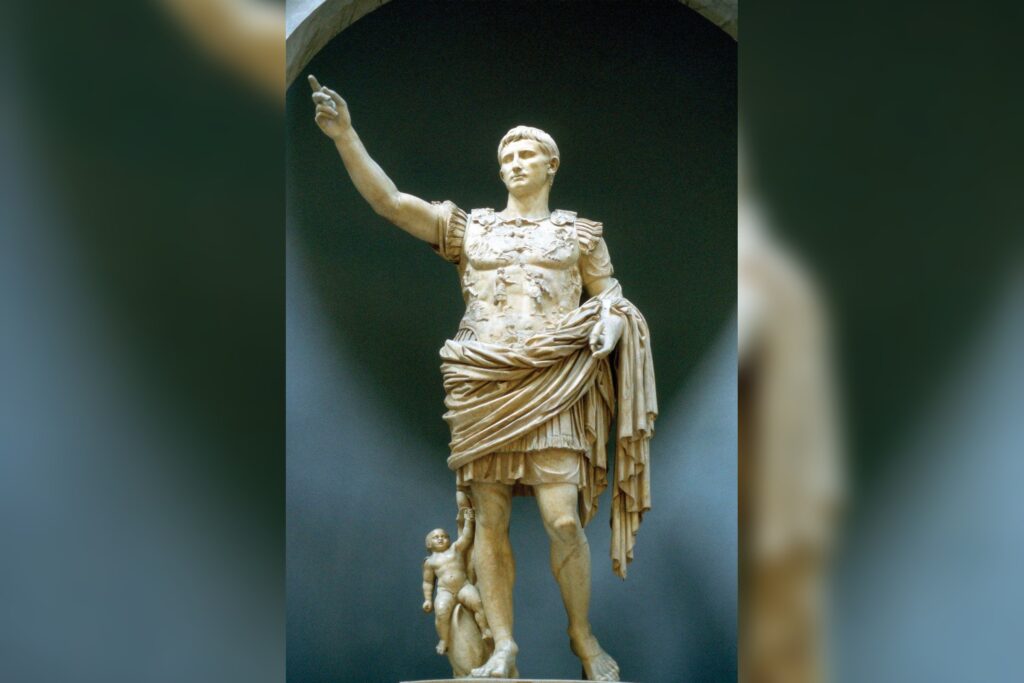
Archaeologists have uncovered a hidden underground chamber beneath the residence of a Roman emperor, though officials have not disclosed which emperor lived there or where the chamber was found. The discovery adds a new layer to the long archaeological record of the Roman Empire, which lasted from 27 BC to 476 AD in the West and continued in the East until 1453 AD.
The source material does not identify the specific imperial figure whose home holds the newly revealed space, nor does it confirm whether the site lies in Rome, elsewhere in Italy, or in a former Roman province. Such finds are common in imperial palace grounds, often involving Nero’s Domus Aurea or similar complexes, but available records do not establish any connection between this chamber and Nero’s palace. The chamber has been described as hidden, suggesting deliberate concealment rather than simple abandonment or collapse. Its function remains unclear from the information released so far.
The absence of a named emperor complicates efforts to assess the historical significance of the find, and the source material does not indicate whether the chamber contained artifacts, human remains, or structural features that might aid identification.
An Unidentified Emperor’s Hidden Chamber
The Roman Empire’s timeline provides context for the importance of such discoveries. Augustus, the first emperor who reigned from 27 BC to 14 AD, established the principate system that allowed imperial rule to persist for centuries. Nero ruled from 54 to 68 AD, a reign that ended in chaos and civil war.
Trajan, who governed from 98 to 117 AD, expanded the empire to its greatest territorial extent. Without knowing which emperor’s residence holds the chamber, historians cannot yet link the find to a specific era or event in imperial history.
The nondisclosure of the emperor’s identity and the chamber’s location suggests either ongoing excavation work or a deliberate decision to control the release of information until more details are confirmed. The source material states that this story arrives as part of the same news cycle as the Boeing 737 incident, but the two events are unrelated in substance. The simultaneous timing reflects the daily flow of international news rather than any connection between the archaeological discovery and the aviation story.
Palatine Hill: The Heart of Imperial Rome
The Palatine Hill, the centermost of Rome’s seven hills, has long been regarded as the birthplace of the Roman Empire. In ancient times, it was home to the houses of the wealthy before becoming the site of imperial palaces, beginning with Augustus, the first emperor.
Mythology ties the hill to the founding of Rome itself, as the legendary cave where Romulus and Remus were nurtured by a she-wolf is said to have been located there. The hill is now primarily an open-air museum, with its own museum housing artifacts from excavations on the hill and other parts of ancient Italy. The word “palace” itself derives from the hill’s name, which also gave rise to terms like “palatine,” originally linked to imperial authority.
The hill’s historical and mythological significance makes it an enduring symbol of Rome’s origins and imperial power. Discoveries in this area often provide direct insight into the lives of Rome’s earliest rulers and the evolution of its political and cultural heart.
While the source material does not confirm that the newly found chamber is on the Palatine Hill, the hill’s prominence in imperial archaeology makes it a likely context for such a find. The archaeological community expects that the full historical weight of the discovery will remain unknown for now. The record shows that such finds, while dramatic, often take months or years to fully understand.
The public will learn more when the archaeologists responsible for the site are ready to share their findings. As information develops, the hidden chamber will add a fresh chapter to the understanding of Roman imperial life, though the undisclosed emperor and location mean that significance must wait for now.
{“@context”: “https://schema.org”, “@type”: “NewsArticle”, “headline”: “Newly Found Hidden Chamber Adds to Roman Emperor’s Legacy”, “description”: “ROME, July 10 — Archaeologists have uncovered a hidden underground chamber beneath the residence of a Roman emperor, though officials have not disclosed which emperor…”, “datePublished”: “2026-07-10T09:30:00+00:00”, “author”: {“@type”: “Person”, “name”: “Muhammad Asim”}, “publisher”: {“@type”: “Organization”, “name”: “InfoPulse Today”, “url”: “https://newsfeed.infopulsetoday.com/”}}




