
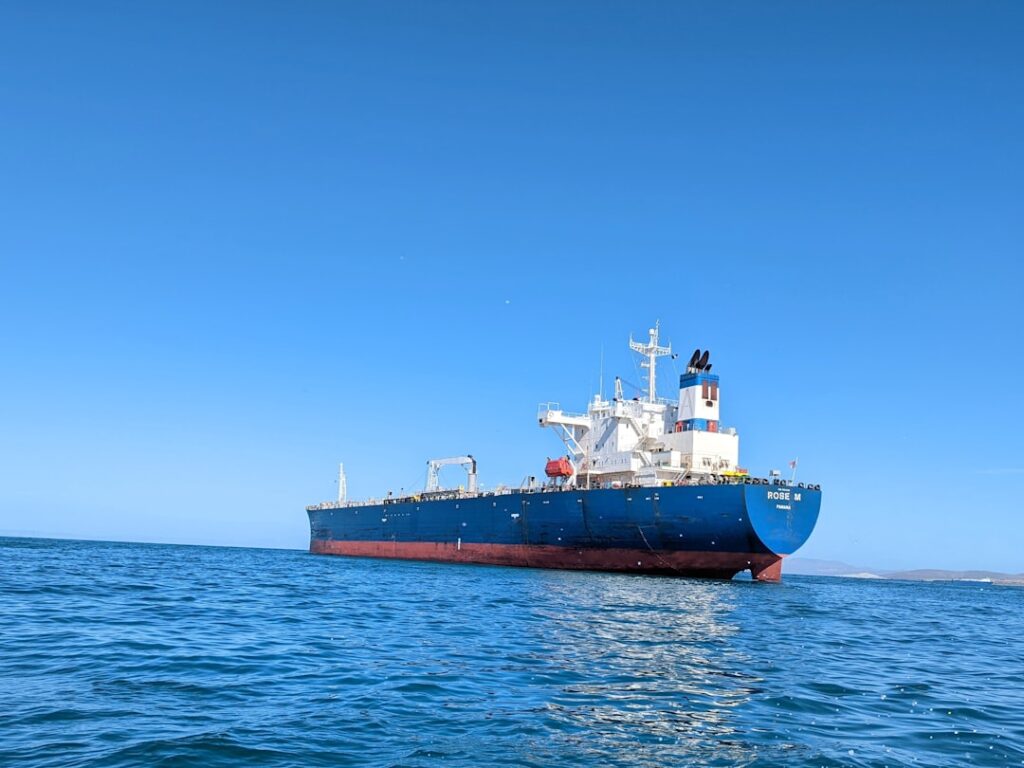
A devastating explosion aboard a crude palm oil tanker at a Batam Island shipyard on October 15 has resulted in ten fatalities and 21 injuries, with four victims in critical condition. The incident has cast a spotlight on Indonesia’s industrial safety framework, raising concerns that extend beyond the immediate tragedy. The shipyard, a critical node in the region’s maritime trade network, handles a substantial portion of Indonesia’s palm oil exports.
Crude palm oil, known for its high flammability, requires specialized equipment and rigorous handling procedures. The facility has been operational for years and has experienced prior incidents, though none of this magnitude.
Investigations remain in early stages, with no official cause announced. However, the pattern of industrial accidents in developing economies often reveals a disconnect between established safety protocols and actual workplace practices. Regular maintenance, comprehensive staff training, and adherence to industry standards are not theoretical concepts—they represent the margin between routine operations and catastrophic failure.
The shipyard bears responsibility to the families of the deceased, the injured, and the broader industry that depends on Batam’s infrastructure. Palm oil serves as a major export earner for Indonesia, and disruptions at key facilities can trigger cascading effects: delayed export schedules, increased insurance premiums, and heightened scrutiny from trading partners.
Current efforts focus on rescue and recovery. Authorities remain on site, families are being notified, and the wounded receive hospital care. The longer-term implications are already emerging.
This explosion will likely prompt inspections and safety reviews not only at this shipyard but across similar facilities in the region. More fundamentally, it demands a reckoning with the consequences of compromised safety standards.
Industrial safety is not merely a cost consideration but a survival requirement. Ten people have died because something went wrong on that tanker. Whether the cause proves to be equipment failure, human error, or a combination, the underlying issue remains consistent: safety measures were insufficient, unenforced, underfunded, or deprioritized. The result is a preventable tragedy.
Indonesia’s palm oil industry generates billions of dollars in annual trade. This scale creates pressure to maintain operations, meet shipping deadlines, and maximize throughput—pressure that can erode safety margins.
A missed inspection here, deferred maintenance there, accumulates until it explodes. The shipyard’s history of prior incidents, while less severe, should have prompted procedural improvements and increased oversight. Instead, the pattern continued until it claimed ten lives.
The investigation will produce findings pointing to specific failures. Calls for reform, potential new regulations, and lawsuits will follow.
The true test lies in whether the lessons of this explosion endure and whether the industry takes necessary steps to prevent future disasters. For now, attention remains on the victims: ten grieving families, 21 people recovering, and four fighting for their lives. The shipyard now serves as both a crime scene and a stark reminder that safety is the only barrier between routine operations and disaster.




