
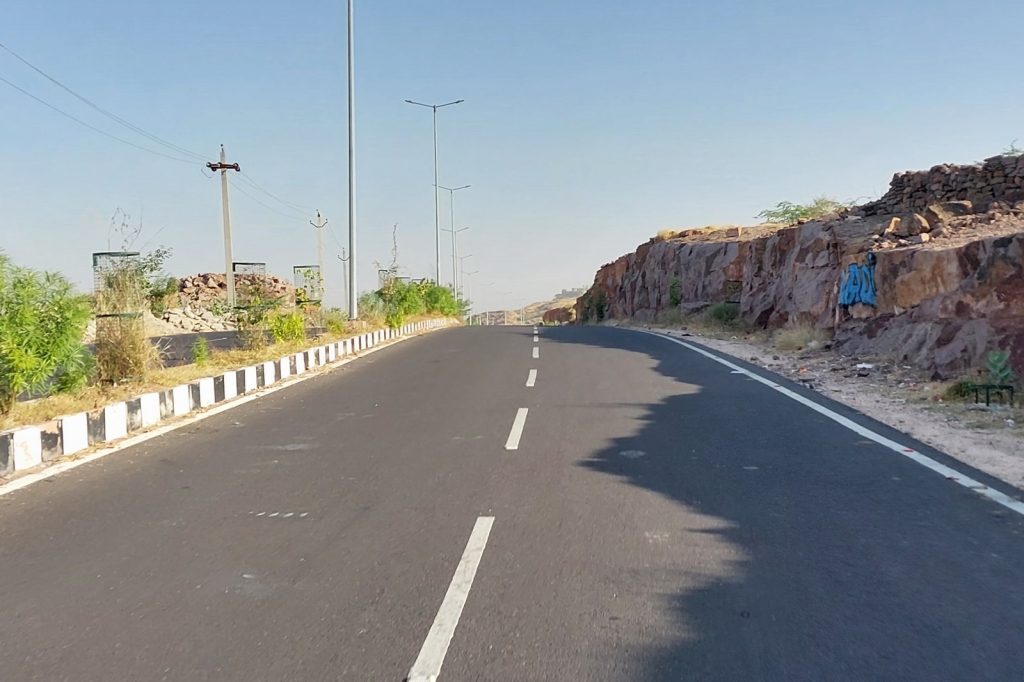
Tragic Collision Claims Lives in Jodhpur
On November 2, 2025, a severe road accident took place in Jodhpur, Rajasthan, when a passenger vehicle collided head‑on with a truck. The impact was fatal for at least 15 people and left two others with injuries.
Emergency services arrived quickly, but the force of the crash meant that many victims could not be saved. The incident has renewed calls for stronger road‑safety measures in the city.
About Jodhpur
Jodhpur stands as the second‑largest city in the north‑western part of Rajasthan. According to 2025 estimates, its population is approximately 1.6 million.
The city serves as the administrative seat for both the Jodhpur district and the Jodhpur division. Its origins trace back to 1459, when Rao Jodha, a Rajput leader of the Rathore clan, founded the settlement. Over the centuries Jodhpur has become known for its forts, palaces, and vibrant cultural life, drawing visitors from across India and abroad.
Historical Role
Historically, Jodhpur functioned as the capital of the Kingdom of Marwar. Its position on ancient trade routes made it a centre for commerce, allowing the city to prosper through the exchange of goods such as textiles, spices, and precious stones.
This legacy of trade continues to shape the city’s identity today.
Modern Economy
In contemporary times, Jodhpur has developed into a hub for several industries. Textile manufacturing, handicraft production, and tourism are among the key sectors driving economic activity.
The city’s growth has also brought a rise in the number of motor vehicles on its streets, which increases the potential for traffic incidents.
Road‑Safety and Environmental Concerns
The recent crash underscores the dangers associated with mixed traffic, especially when large trucks share roads with smaller passenger vehicles. Head‑on collisions, like the one on November 2, are particularly hazardous because the combined speed of the two vehicles multiplies the force of impact.
Experts stress that preventing similar tragedies requires a combination of better road design, stricter enforcement of traffic laws, and public campaigns that promote safe driving habits. At the same time, Jodhpur’s expanding vehicle fleet contributes to higher consumption of fossil fuels, which in turn raises air‑pollution levels. To address both safety and environmental challenges, city planners are encouraged to invest in renewable‑energy sources such as solar and wind power.
Shifting toward clean energy can reduce dependence on petrol and diesel, lower emissions, and provide long‑term cost savings while enhancing energy security.
Looking Ahead
Moving forward, the priority for Jodhpur must be to protect its residents and its surroundings. This means upgrading infrastructure to accommodate growing traffic, enforcing speed limits and updating traffic regulations, and educating drivers about responsible behaviour. Parallel efforts to expand renewable‑energy installations can help curb pollution and make the city more resilient. By learning from the November 2 accident and acting on both safety and sustainability fronts, Jodhpur aims to build a safer, cleaner future for its people and generations to come.




