
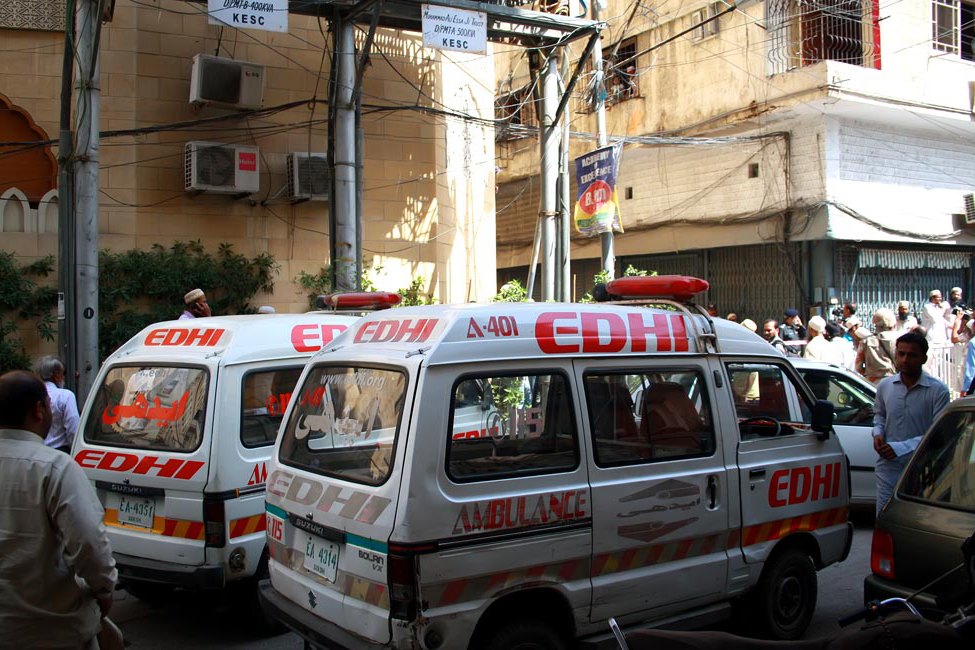
Karachi Building Collapse Claims at Least 16 Lives
…
Karachi Building Collapse Claims at Least 16 Lives
On July 4, 2025, a building in Karachi collapsed, resulting in the loss of at least sixteen lives. Rescue teams are still combing through the debris in hopes of finding survivors.
The tragedy has shaken a city that already faces many pressures due to its size and rapid expansion. Karachi stands as Pakistan’s largest city and its primary industrial and financial centre. With a population exceeding twenty million, it is one of the most densely populated urban areas in the country.
This concentration of people, combined with the city’s role as an economic engine, puts constant stress on its infrastructure. Much of Karachi’s building stock is ageing, and many structures show signs of disrepair.
The city’s swift growth and urbanisation have heightened worries about the safety and stability of its constructions. Experts have repeatedly warned that inadequate building practices and lax maintenance increase the risk of failures like the one that just occurred. The collapse serves as a stark reminder that stronger building codes and stricter enforcement are needed.
It also highlights the importance of improving public safety measures and emergency preparedness across the metropolis. Beyond the immediate physical dangers, Karachi’s social fabric adds another layer of complexity.
The city is home to a diverse mix of cultures and ethnicities, contributing to its status as a beta‑global city and a major contributor to Pakistan’s gross domestic product. Managing such a varied populace while delivering essential services remains a formidable task for local authorities. Economic progress in Karachi has not come without challenges. The city struggles to align its ambitions for growth with the need for sustainable and environmentally sound development.
Its position on the Arabian Sea coast offers advantages for trade and commerce, yet it also exposes Karachi to natural hazards and environmental wear. The recent disaster has prompted questions about whether current safeguards are sufficient to protect residents, especially as urbanisation continues at a rapid pace.
Karachi’s reputation as the nation’s most cosmopolitan centre brings a lively cultural and social scene, but it also brings persistent issues such as poverty, inequality, and environmental degradation. Addressing these concerns requires a clear commitment to sustainable development. Many observers point to renewable energy as a viable path forward.
Solar and wind power, in particular, are seen as ways to lessen dependence on fossil fuels, cut energy costs, enhance energy security, and reduce the environmental footprint of the city’s expanding energy demand. The cost of renewable technologies has been falling, making such investments increasingly attractive from both an ecological and an economic standpoint.
By embracing cleaner power sources, Karachi could move toward a future that balances economic vitality with the well‑being of its inhabitants. In the aftermath of the collapse, a sense of determination is growing among Karachi’s residents. While rebuilding will take time and effort, there is a shared resolve to prioritize public safety, sustainable practices, and environmental stewardship.
Collaborative action aimed at upholding principles of equity, justice, and long‑term resilience could help the city emerge stronger from this setback. The road ahead will undoubtedly be long and challenging, but a steadfast commitment to a clean and healthy environment offers a pathway for Karachi to recover, adapt, and thrive despite the difficulties posed by rapid urbanisation and infrastructural ageing.




