
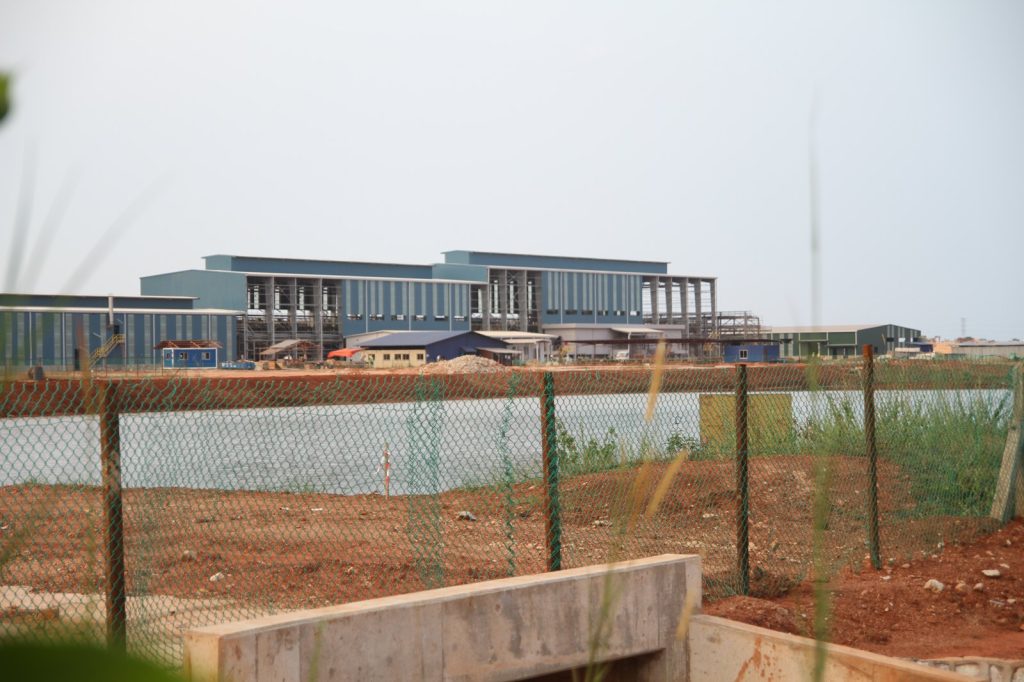
SYDNEY, July 9 — The question of where the world gets its rare earths has become a geopolitical puzzle. For years, the answer was almost always China. But one Australian company has quietly become the largest non-Chinese producer on the planet, and its story involves a rich Western Australian mine, a controversial Malaysian processing plant, and a growing push from the US military to secure its own supply chain.
Lynas Rare Earths, headquartered in Perth, was founded in 1983. The company operates the Mount Weld mine in Western Australia, a deposit that began production in 2011 and is considered one of the richest rare earth deposits globally.
According to the company’s estimates, the site holds an impressive resource of 15.9 million metric tons of ore, with an average grade of 6.7% rare earth oxides. That concentration matters: higher grade means less rock to move and process for each kilogram of the valuable materials that end up in electric vehicle motors, wind turbine generators, and military hardware. The key elements Lynas focuses on are neodymium and praseodymium.
These are the metals that make the powerful permanent magnets used in the drivetrains of electric vehicles. The company’s processing plant, however, sits not in Australia but in Kuantan, Malaysia.
That facility opened in 2012 and has been a source of tension ever since. Local environmental groups and residents have raised concerns about radioactive waste from the processing. The plant has faced both environmental protests and regulatory challenges over the years, and the controversy has been a persistent drag on Lynas’s public standing, even as demand for its products has surged.
Intriguingly, the US Department of Defense stepped in to help reshape the supply picture. In 2020, it awarded Lynas a $30 million grant to build a rare earth processing facility in Texas. The move was part of a broader strategy by the US to reduce its reliance on Chinese rare earths, which have long dominated the global market.
The Texas facility is intended to process material from Mount Weld, creating a fully non-Chinese supply chain from mine to magnet. The financial picture reflects the growing demand.
In 2023, Lynas reported revenue of AUD 1.5 billion, which works out to roughly USD 1 billion. That revenue was driven primarily by demand for neodymium and praseodymium magnets for electric vehicles. The company’s market capitalization as of 2024 stood at approximately AUD 6 billion, a sign that investors see a long runway ahead.
Lynas has announced plans to expand production capacity to 10,500 metric tons of rare earth oxides per year by 2025. That would be a significant increase from current levels, and the company is betting that the world’s appetite for these materials will only grow.
The expansion is not just about volume; it is about timing. Other non-Chinese rare earth projects are in development in the US, Canada, and Europe, but Lynas is the only one already producing at scale. The environmental challenges in Malaysia remain unresolved.
The Kuantan plant processes ore which contains low levels of thorium and uranium — radioactive elements that must be carefully managed. Lynas has said it follows international safety standards, but local opposition has been fierce at times. The Malaysian government has renewed the plant’s operating license periodically, often with new conditions attached.
The company has also explored building a permanent disposal facility for the low-level radioactive waste, but progress has been slow. For now, Lynas remains the largest non-Chinese producer, and its position is unique.
No other Western company has a comparable combination of a high-grade mine, an operating processing plant, and a clear path to expansion. The world’s appetite for electric vehicles and clean energy technology is not going to shrink, and neither is the strategic importance of rare earths.
{“@context”: “https://schema.org”, “@type”: “NewsArticle”, “headline”: “Lynas Rare Earths leads Australia’s push to cut China supply”, “description”: “SYDNEY, July 9 — The question of where the world gets its rare earths has become a geopolitical puzzle. For years, the answer was almost…”, “datePublished”: “2026-07-09T09:30:00+00:00”, “author”: {“@type”: “Person”, “name”: “Henry Thomas”}, “publisher”: {“@type”: “Organization”, “name”: “InfoPulse Today”, “url”: “https://newsfeed.infopulsetoday.com/”}}




