
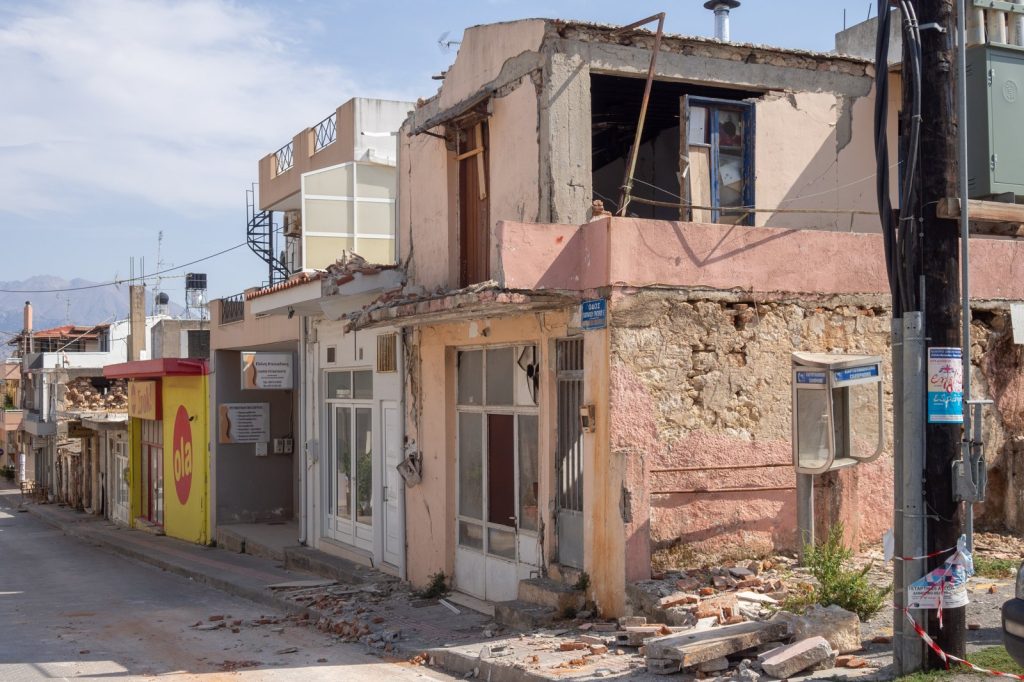
Powerful Shallow Quake on a Known Active Fault
The shallow depth of the earthquake — 10 kilometers — is significant because earthquakes less than 70 kilometers deep release energy closer to the surface, amplifying the intensity of shaking and increasing the potential for structural damage. The USGS detected the event through its real-time global seismic monitoring network, which continuously tracks earthquakes as they happen anywhere on the planet. This data provides scientists and emergency responders with an initial assessment of the scale of the event. Seismologists note that aftershocks are common following a major earthquake and may continue for days or weeks. People in the affected area are generally advised to be prepared for further shaking.
The region near the epicenter is no stranger to seismic activity. The USGS records show that at least 14 earthquakes of magnitude 5.0 or greater have struck within approximately 300 kilometers of tonight’s epicenter over the past two decades. The strongest of those prior events was a magnitude 6.4 earthquake in 2009. Tonight’s magnitude 7.5 surpasses that by a wide margin, marking the most powerful earthquake recorded in the area in at least two decades.
Tectonic Setting and Historical Seismic Activity
Yumare sits in a region where the Caribbean Plate grinds against the South American Plate, creating one of the most seismically active zones in northern Venezuela. This tectonic boundary has produced notable earthquakes throughout modern history, including events in 1812, 1900, and 1967, each causing destruction across coastal communities. The 2009 earthquake — magnitude 6.4 and centered near the same fault system — served as a recent reminder of the area’s vulnerability, though its impact remained localized compared to tonight’s tremor.
Venezuela’s northern coast has long been monitored for seismic risk due to this persistent geological strain. At its core, an earthquake is a sudden release of energy in the Earth’s crust, creating seismic waves that shake the ground. Major earthquakes — those measuring magnitude 7.0 or greater — can rupture fault lines over large distances, triggering landslides, structural collapses, and secondary hazards such as fires or tsunamis. The depth of a quake further shapes its impact; shallow events, such as this one at 10 kilometers, often cause more intense surface shaking than deeper tremors. Aftershocks, which follow large quakes as the crust readjusts, can prolong danger and complicate rescue efforts.
Uncertainty and Preparedness in the Hours Ahead
The scene by nightfall remains unclear. Communications from the region near the epicenter are limited. The full picture of damage will take hours, likely days, to emerge. For now, the numbers tell the story: magnitude 7.5, depth 10 kilometers, 28 kilometers southeast of Yumare, at 22:05 UTC. The aftershocks have not yet begun in earnest.
The significance of tonight’s event lies in its proximity to populated areas and the region’s limited infrastructure for rapid response. Coastal towns like Yumare often lack the building codes and emergency systems found in more seismically active nations, making even moderate quakes disproportionately destructive. With aftershocks expected to continue for days, the risk of further damage or injury remains high. For residents, the quake underscores the persistent threat of living along active faults — and the need for preparedness in a country where seismic monitoring is critical but resources for recovery are often scarce.




