
HELSINKI, July 9 — The thermal efficiency of modern diesel engines has reached up to 50%, a figure that places them well ahead of gasoline engines, which achieve only 20–30%, and steam engines, which manage roughly 10%. This is not a minor engineering footnote but a strategic industrial fact that has shaped global shipping and, for a time, the European automotive market. The source of this efficiency advantage is technical.
According to the data, diesel engines operate at high compression ratios ranging from 14:1 to 25:1, combined with lean fuel mixtures. This design allows more of the fuel’s energy to be converted into mechanical work rather than being lost as waste heat.
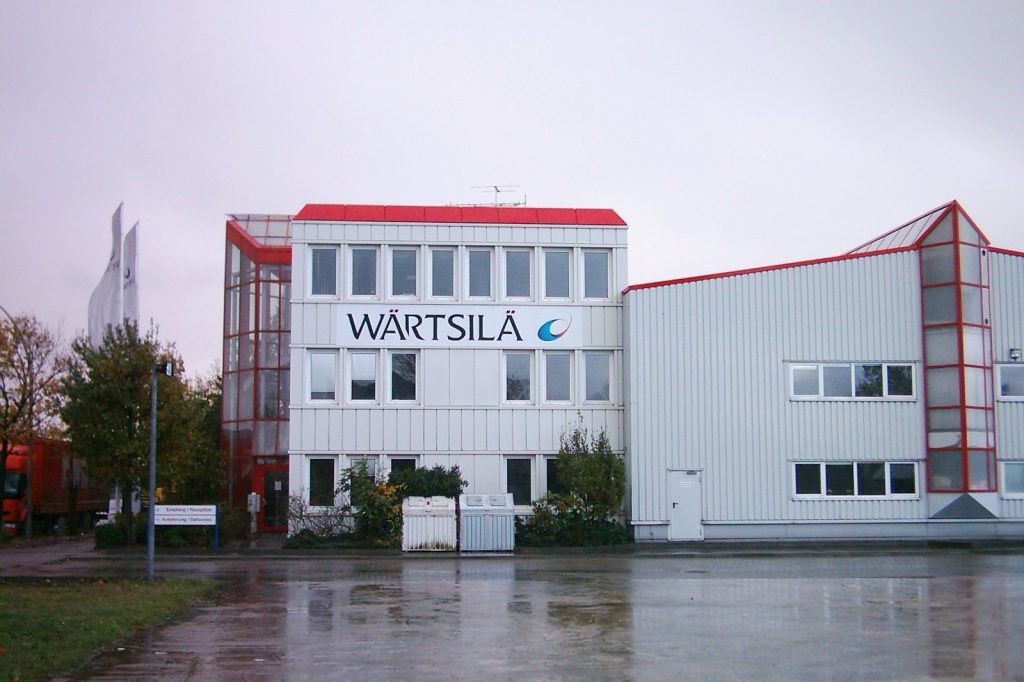
The result is a powerplant that, in its largest form, is almost unmatched in raw output. Consider the Wärtsilä RT-flex96C, built in 2006 by the Finnish manufacturer Wärtsilä. This engine, the largest of its kind, produces up to 80,080 kW, or 107,389 hp.
These are not figures for passenger cars. These engines power container ships, the vessels that carry the bulk of global trade.
A single such engine can move tens of thousands of tons of cargo across oceans. The strategic context here is clear: the efficiency of these engines directly affects the cost of moving goods, and therefore the price of everything from electronics to grain. In the automotive sector, the picture has been more complicated.
According to the European Automobile Manufacturers Association, diesel engines captured 50% of new car sales in Europe in 2011. That was the high-water mark. The technology was popular, particularly in markets where fuel taxes made efficiency a priority for consumers.
Then came 2015. The Volkswagen emissions scandal, widely known as Dieselgate, fundamentally altered the regulatory landscape.
The record shows that Volkswagen was found to have installed software in its diesel vehicles that could detect when the car was undergoing emissions testing and adjust performance to produce lower emissions than under real-world driving conditions. The scandal led to stricter regulations across Europe and beyond. The consequence has been a steady decline in diesel car sales.
Consumers lost confidence. Regulators imposed tighter limits on nitrogen oxide emissions, making diesel engines more expensive to engineer for compliance.
The technology that once commanded half the European new-car market has since retreated significantly. Wärtsilä, the Finnish company, remains a key player in the large-engine segment. Its RT-flex96C, now two decades old, is still a reference point for what is possible in marine propulsion.
The company is headquartered in Finland, a country with a long industrial history in engine manufacturing. The technical reality remains unchanged. Diesel engines, particularly in their largest configurations, offer thermal efficiencies that other internal combustion technologies have not matched.
The 50% figure is a benchmark. For comparison, gasoline engines typically convert only a fifth to a third of their fuel’s energy into motion.
Steam engines, the technology that powered the Industrial Revolution, convert only a tenth. This efficiency gap has implications beyond simple fuel economy. In shipping, where fuel costs represent a significant portion of operating expenses, a more efficient engine means lower costs per ton-mile.
In a world where supply chains are under constant geopolitical pressure, that efficiency is a strategic asset. The 2006 Wärtsilä engine was built at a time when global trade was expanding rapidly.
Container ships were getting larger, and the demand for powerful, reliable engines was growing. The RT-flex96C was designed to meet that demand. Its output of 80,080 kW is enough to propel a vessel carrying thousands of containers at a speed of over 20 knots.
The European automotive market, by contrast, has moved away from diesel. The 2015 scandal was a turning point. Before that, diesel had been promoted by many European governments as a fuel-efficient alternative to gasoline, with tax incentives that made it cheaper at the pump.
After the scandal, that policy consensus collapsed. What comes next is not entirely clear.
The technology for high-efficiency diesel engines exists. The Wärtsilä engine proves that. But the regulatory and market conditions that once made diesel dominant in passenger cars have changed.
The future of thermal efficiency in transportation may lie in other directions, including hybrid systems and alternative fuels. For now, the record stands: diesel engines, in their largest and most efficient forms, remain a benchmark that other technologies are still trying to match.




