
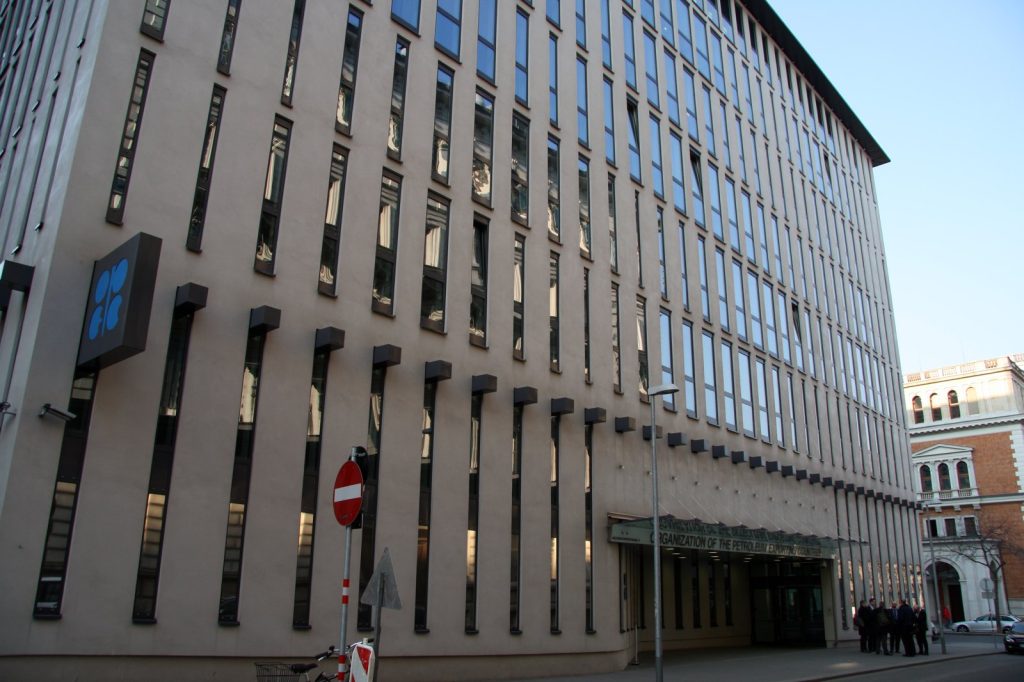
The Organization of the Petroleum Exporting Countries functions as an intergovernmental cartel that brings together leading oil‑producing and oil‑dependent nations to jointly influence the global oil market and seek maximum profit. It was established on 14 September 1960 in Baghdad by the five founding members: Iran, Iraq, Kuwait, Saudi Arabia, and Venezuela. Over time the group has expanded and now consists of 11 member states.
Share of Production and Reserves
In 2022 OPEC members collectively supplied 38 percent of the world’s oil output, a proportion that underscores the organization’s sway over the global energy scene. Regarding reserves, estimates indicate that 79.5 percent of the planet’s proven oil lies within OPEC territories.
The Middle East alone holds 67.2 percent of OPEC’s total reserves, highlighting the regional concentration of hydrocarbon wealth.
Early Efforts to Reshape the Market
During the 1960s and 1970s OPEC pursued a series of measures designed to restructure the international oil‑production system so that oil‑producing countries could gain a stronger position. The explicit goal was to curb the dominance of the “Seven Sisters,” the Anglo‑American conglomerates that had previously controlled much of the industry. By acting collectively, member nations succeeded in negotiating more advantageous terms and increasing their portion of oil revenues. This shift contributed to a sharp rise in oil prices throughout the 1970s.
Economic Ripple Effects of the 1970s Price Shock
The oil price surge of the 1970s generated profound and lasting consequences for the world economy. Nations experienced heightened inflation, recessions, and trade imbalances as crude costs climbed. The shock also prompted governments and businesses to pursue lower energy consumption, improved efficiency, and the development of alternative energy sources.
Changing Influence After the 1980s
Although OPEC’s actions in the 1970s left a deep imprint on global economic trends, its ability to steer world oil supply and maintain price stability has waned since the 1980s. A persistent difficulty is the tendency of some members to exceed or fall short of agreed‑upon production quotas. Such non‑compliance weakens the cartel’s attempts to stabilize markets and keep prices steady.
Continued Relevance and Future Outlook
Despite these challenges, OPEC remains a pivotal actor in the international oil arena, with its decisions closely monitored by market participants, policymakers, and consumers worldwide. Looking forward, analysts will watch how the organization strives to balance the global oil market and preserve price stability amid an evolving energy landscape. Growing demand for cleaner fuels and intensifying competition from non‑OPEC producers mean that OPEC must adapt its strategies to stay effective.
Given its substantial share of global oil production and its control of the majority of proven reserves, OPEC is expected to continue being a major force in the oil market for the foreseeable future. Consequently, the group’s choices will keep shaping the global economy, energy security, and environmental considerations.




