
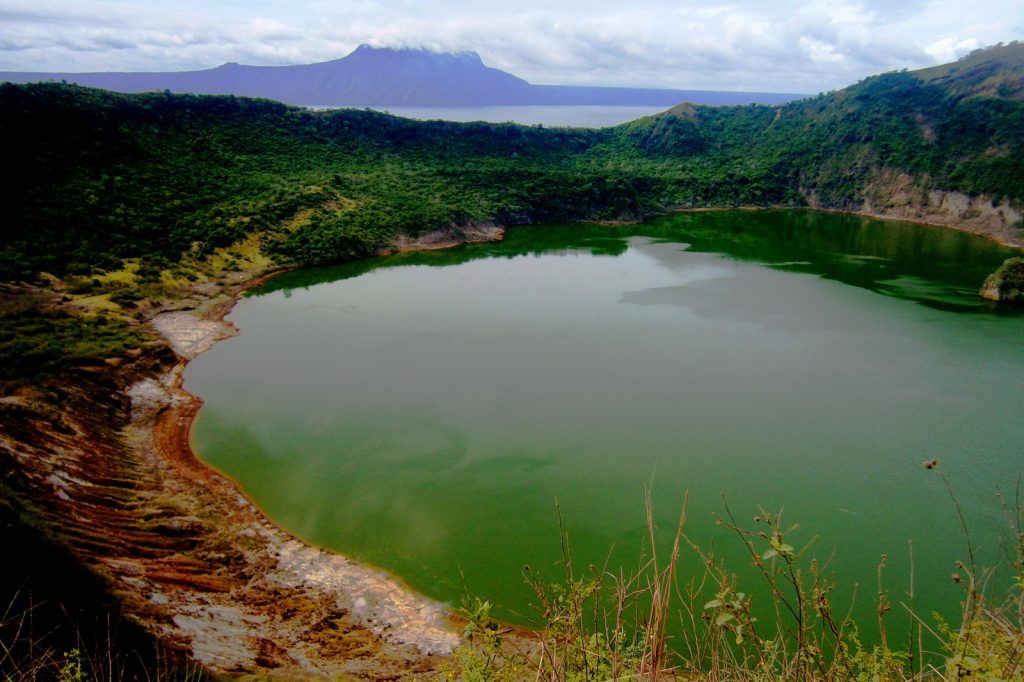
Philippine authorities have issued a warning that a volcanic tsunami could strike communities surrounding Taal Volcano if the ongoing eruption escalates to its highest alert level. The warning, posted online January 13 by the Philippine Institute of Volcanology and Seismology (Phivolcs), stems from the volcano’s unique location—it sits on an island inside Taal Lake.
The mechanism behind such a tsunami involves magma rising beneath the lake floor, causing deformation that displaces water and generates waves. In a confined lake, these waves can inundate shoreline communities with limited escape routes. Phivolcs described the scenario on its website: “A volcanic tsunami may occur in caldera lakes when water is displaced by deformation of the lake floor caused by rising magma.” The warning noted that an eruption column reaching 15 kilometers in height could accompany such an event, followed by flooding.
The volcano, located 60 kilometers south of Manila, began emitting steam on the afternoon of January 12. By the following morning, Phivolcs raised the alert to Level 4, indicating an ongoing magmatic eruption with lava fountaining. Level 5 represents the highest alert, where extreme hazards are anticipated. Phivolcs stated that this level could be reached within days if volcanic activity persists. Renato Solidum, Phivolcs director, confirmed that the institute is monitoring the situation closely and is prepared to raise the alert if necessary.
Military authorities acted swiftly. The Philippine Army’s 2nd Infantry Division evacuated over 23,000 residents of Batangas province by 5:00 AM on January 13. Military trucks deployed to the most affected towns: Balete, Laurel, San Nicolas, Talisay, and parts of Lipa and Tanauan City. Lieutenant General Gilbert Gapay, commander of the Philippine Army, described the operation as a precautionary measure for resident safety. The evacuation figure represents a single morning’s effort, with additional departures possible.
The danger zone encircles Taal Lake, with the volcano situated on an island within it. A Level 5 eruption could potentially displace lake water toward the shore, creating a distinct hazard. Unlike seismic tsunamis caused by earthquakes shaking the seafloor, volcanic tsunamis result from ground deformation as magma moves beneath a body of water.
The eruption began on a Sunday afternoon. By Monday morning, the alert stood at Level 4, and thousands had already left their homes. The army did not wait for Level 5 before acting. Phivolcs has been explicit about potential developments: if unrest continues, Level 5 will be declared, activating the tsunami warning as a stated possibility grounded in the physics of a volcano situated in water.
Taal is among the Philippines’ most active volcanoes. Its lake setting, combined with the potential for a Level 5 eruption, creates a specific risk. For now, evacuated residents of Batangas await further developments as Phivolcs continues monitoring and military trucks remain on standby.




