
Earth Day Timing Highlights Plastic Surge
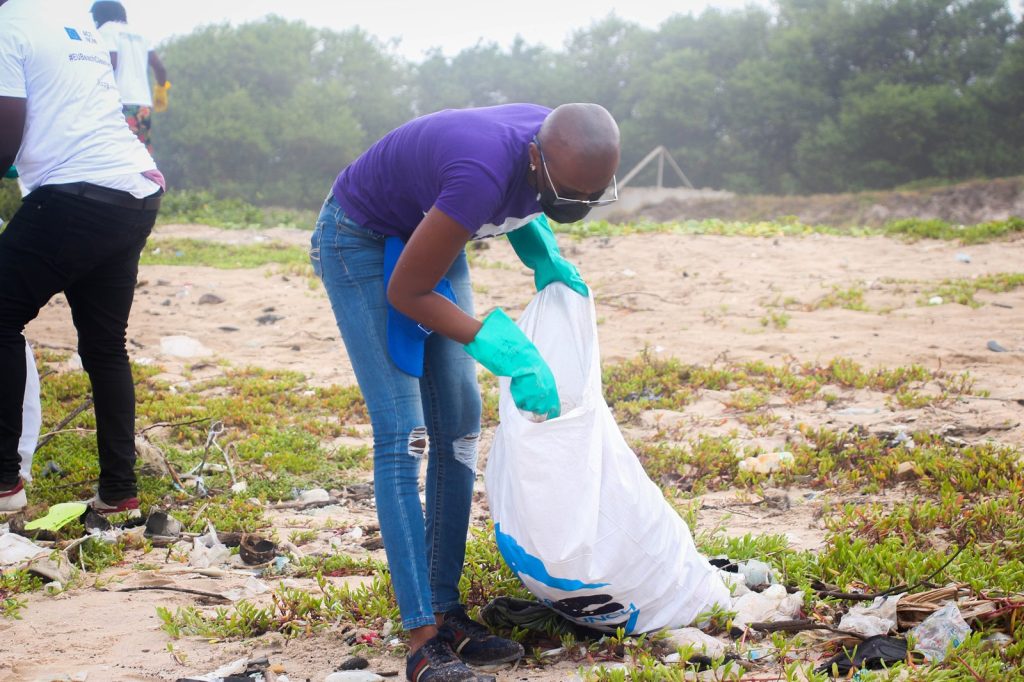
On April 19, 2024, the beaches of Labuan, Indonesia, were buried under a thick layer of plastic waste. The timing was ironic because the same day marked global Earth Day celebrations.
Cleanup crews had already been on the scene, yet the sand continued to disappear beneath imported trash. This situation is not confined to one locality; it reflects a broader regional pattern. Southeast Asia receives roughly 17 percent of the world’s plastic waste imports while accounting for less than 9 percent of the global population.
The mismatch is not accidental. Much of the arriving material is declared as raw material for recycling, a classification that allows it to slip through international regulations.
Ships unload at ports in Indonesia, Vietnam, and Thailand, after which the cargo enters informal markets. Local sorting facilities are already overwhelmed and cannot process the volume. Consequently, non‑recyclable plastics accumulate in landfills or are washed into the ocean.
This flow constitutes the mechanics of waste trafficking. Wealthy nations export their refuse to developing economies, and illicit networks move the material across borders.
The cycle concentrates pollution in coastal communities such as Labuan, where local infrastructure lacks the capacity to absorb the influx. Public health suffers as a result. The ASEAN bloc did not seek this burden; it simply became the destination. The supply chains are sophisticated, exploiting enforcement gaps and operating transnationally, and they continue to run.
Community leaders in Labuan report that the incoming cargo exceeds what local systems can handle, creating a structural backlog rather than a temporary glitch. Each additional shipment adds to the growing heap; cleanup efforts remove some material, but more arrives, leaving the beaches persistently covered.
The outcome is a slow‑motion environmental crisis: the shoreline of Labuan serves as a visible symptom, while the true problem lies in the pipeline that transports trash from affluent countries to poorer ones, bypassing legal safeguards and overloading local capacity. The imbalance is stark: fewer than one in eleven people worldwide reside in Southeast Asia, yet the region manages nearly double its share of global plastic waste imports. These figures illustrate an unequal trade in which waste is dumped where disposal costs are low, effectively outsourcing environmental damage to the global south.
Residents of Labuan witness the change daily—pristine sands have given way to piles of plastic, and although cleanup crews labor, the trash keeps arriving.




