
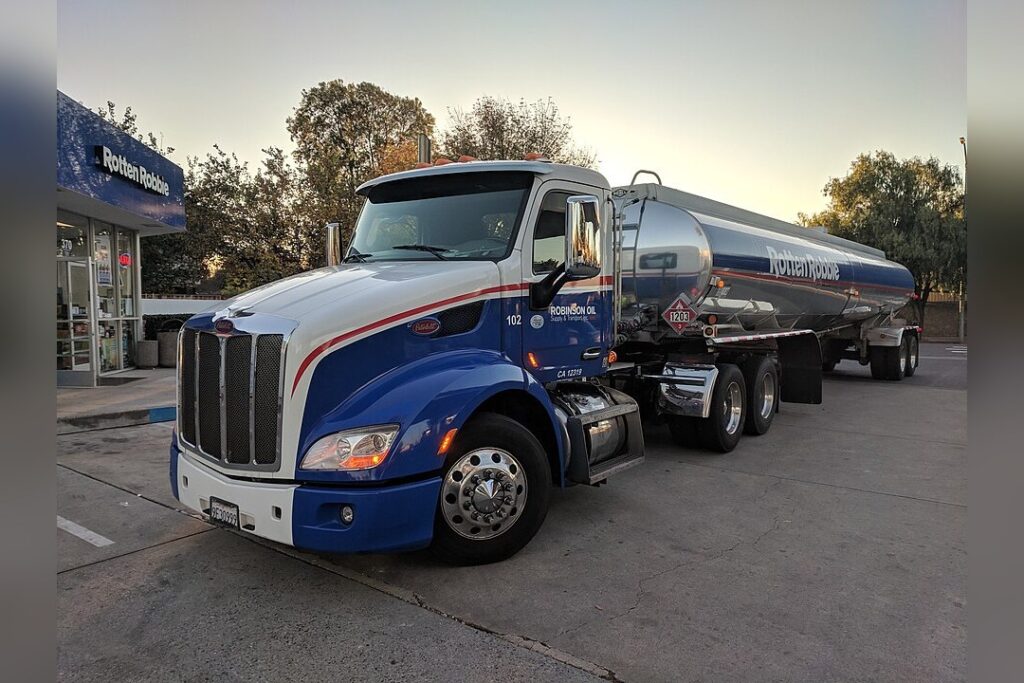
On Federal Highway 135D near Tehuacán, Puebla, a tanker truck collision claimed 21 lives, leaving a profound void in the community and raising urgent environmental concerns. While rescue teams have completed the grim task of extracting bodies, officials are now turning their attention to what may have escaped the wreckage: hazardous substances that were reportedly being transported.
The official report characterises the cargo as “likely carrying hazardous materials,” indicating a real risk of soil and water contamination. In a region where agriculture and small‑scale farming form the backbone of many households, any seepage could jeopardise irrigation sources, damage crops and threaten livestock health. The immediate human toll is stark, but the potential for a prolonged health crisis stemming from polluted water and soil is equally alarming.
Authorities have been urged to act without delay. The report stresses that “immediate action” is required to contain any spill, warning that each passing hour allows a chemical plume to expand further into the surrounding environment.
Prompt containment measures are therefore essential to prevent a secondary disaster that could unfold over months. Federal Highway 135D, a key conduit linking Puebla with Oaxaca, sees a constant flow of trucks carrying fuel, industrial chemicals and raw materials. The accident has sparked calls for a thorough review of the road’s condition and its safety infrastructure, which the report suggests will “undoubtedly come under scrutiny.” Critics argue that the crash highlights broader systemic shortcomings, including road design, barrier adequacy and emergency response protocols.
Investigators are set to examine all possible causes—mechanical failure, driver error or potential negligence—while also evaluating the broader issue of transporting hazardous loads on routes that may not be suited for such traffic. The incident underscores Mexico’s heavy reliance on tanker trucks for moving hazardous substances across long distances, a practice that places considerable risk on highways not originally intended for this purpose.
While the report does not identify the driver or the operating company, it emphasizes that the problem extends beyond any single individual. It points to a national dependency on trucked fossil fuels and suggests that a shift toward renewable energy sources such as solar and wind could reduce the frequency of similar incidents in the long term, though this does not address the immediate needs of the affected families. In the short term, the government and local authorities have pledged support for the victims’ relatives, including counseling services and financial aid.
International assistance, both in the form of donations and technical expertise, has also been welcomed to help manage the aftermath. The lingering question remains whether infrastructure improvements and stricter safety regulations will be implemented to prevent another tragedy of this magnitude.
The answer will determine how many future headlines will echo the 21‑death toll witnessed on this stretch of highway.




