
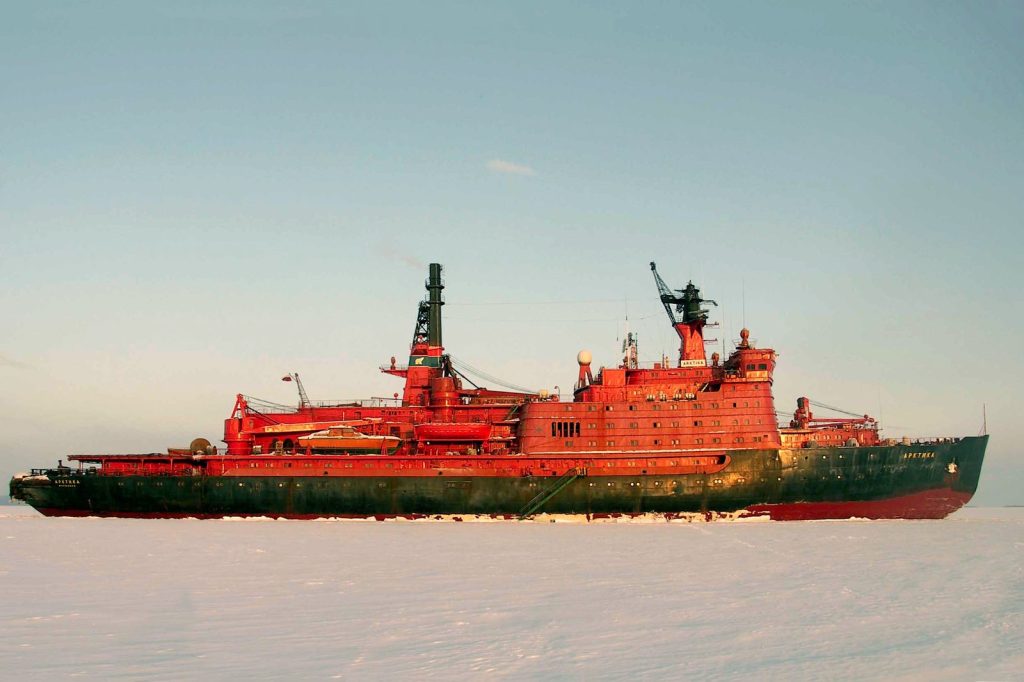
MOSCOW, July 18 — Rosatom, the Russian state-owned nuclear energy corporation, is facing potential delays and increased costs for its nuclear icebreaker programme following a reported decline in the supply of Chinese components, according to available records. The fleet, operated through subsidiary Atomflot, is central to Moscow’s ambitions for year-round navigation on the Northern Sea Route (NSR) – a strategic maritime corridor along Russia’s Arctic coast that is increasingly critical for resource extraction and trade. As of 2024, Atomflot operates seven nuclear icebreakers, the record shows.
These include the Arktika-class vessels Arktika, Sibir, Ural, and Yamal, alongside the smaller Taimyr-class icebreakers Taimyr and Vaygach. The fleet also includes the nuclear-powered container ship Sevmorput.
The newest Arktika-class icebreaker, Arktika, was commissioned in 2020. Beyond existing vessels, Russia is building three Project 10510 Lider-class nuclear icebreakers at the Zvezda shipyard in the Far East. The first, Rossiya, is expected to enter service by 2027.
These Lider-class ships are designed to break ice up to four metres thick – a capability intended to guarantee year-round transit on the NSR. Rosatom also manages the administration of the NSR itself, a role assigned under a 2018 federal law.
That integration of operator and regulator gives the corporation unusual leverage over Arctic shipping, but it also makes the entire route vulnerable to delays in Rosatom’s icebreaker construction schedule.
Supply chain constraints
The fleet relies on a mix of domestic and foreign components, the source material indicates. Chinese equipment previously supplied included electrical systems, pumps, and navigational gear. However, the current report notes that this supply has declined, and Rosatom may now face delays and increased costs as a result.
No specific details were provided about the scale of the decline or which vessels are most affected. The development raises questions about the sustainability of Russia’s Arctic ambitions in the face of Western sanctions and shifting global supply chains.
Many of the complex systems used in icebreakers – from reactor control electronics to propulsion components – have historically come from abroad. While Russia has pursued import-substitution programmes, the nuclear icebreaker programme’s reliance on specialised foreign equipment has been an acknowledged vulnerability. With the first Lider-class icebreaker Rossiya not expected until 2027, and construction at the Zvezda yard already subject to earlier reports of technical hurdles, any further supply constraints could push back the timeline for reaching year-round NSR navigation.
Industry analysts will be watching closely for whether Rosatom can secure alternative suppliers or bring critical component manufacturing in-house. The record shows the corporation remains tight-lipped on the precise impact, but the strategic stakes for Russia’s Arctic posture are plain.
Sources
{“@context”: “https://schema.org”, “@type”: “NewsArticle”, “headline”: “Rosatom, Russia’s Icebreaker Fleet Drive Arctic Navigation”, “description”: “MOSCOW, July 18 — Rosatom, the Russian state-owned nuclear energy corporation, is facing potential delays and increased costs for its nuclear icebreaker programme following a…”, “datePublished”: “2026-07-18T09:30:00+00:00”, “author”: {“@type”: “Person”, “name”: “Dmitry Volkov”}, “publisher”: {“@type”: “Organization”, “name”: “InfoPulse Today”, “url”: “https://newsfeed.infopulsetoday.com/”}, “citation”: [{“@type”: “CreativeWork”, “url”: “https://en.wikipedia.org/wiki/Rosatom”}]}




