
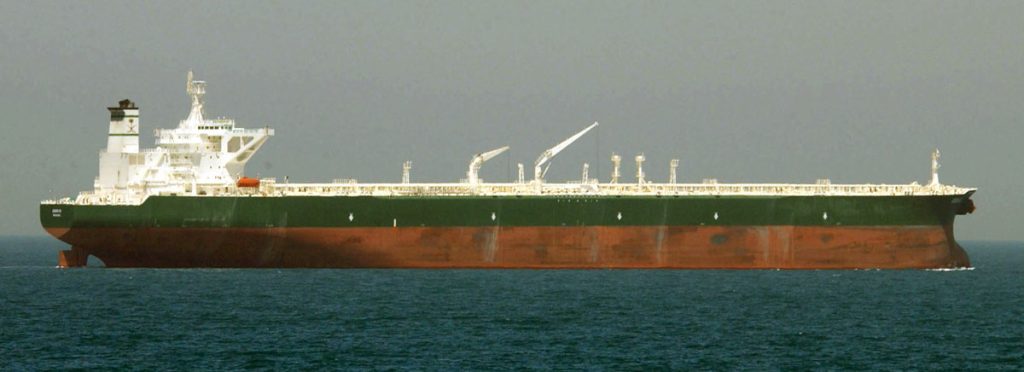
MOSCOW, July 15 — Russia’s energy strategy has undergone a fundamental reorientation since the full-scale invasion of Ukraine in February 2022, with the country’s traditional role as Europe’s primary energy supplier all but dismantled. According to official trade data and industry reports, Moscow has redirected the bulk of its crude oil exports to Asian buyers, while its natural gas deliveries to Europe have collapsed by more than 80% compared to pre-war volumes. The shift represents the most dramatic restructuring of Russian energy trade in decades.
Before the invasion, Russia was the European Union’s largest supplier of natural gas, accounting for roughly 40% of EU gas imports. In 2021, the country produced approximately 10.5 million barrels per day of crude oil and 762 billion cubic meters of natural gas.
Those production figures, however, have been squeezed by Western sanctions and the deliberate severing of pipeline routes to Europe.
Sanctions and the Price Cap
Following the February 2022 invasion, the European Union and the Group of Seven major economies imposed multiple sanctions packages targeting Russian energy exports. The measures included a full embargo on seaborne Russian crude oil, which took effect in December 2022, followed by a ban on petroleum products in February 2023. The G7 also introduced a price cap mechanism, limiting the price of Russian crude to $60 per barrel.
The stated aim of the cap was to reduce Moscow’s oil revenues while keeping Russian barrels flowing onto global markets to prevent a supply shock. Russia responded by cutting gas flows to Europe via the Nord Stream 1 pipeline.
The pipeline was later sabotaged in September 2022, an event that remains under investigation. By late 2024, Russian gas exports to Europe had fallen by over 80% compared to pre-war levels, according to data from the International Energy Agency and European network operators.
Asia Takes the Lead
With the European market largely closed, Russia turned east. China became the primary destination for Russian crude, importing a record 2.1 million barrels per day in October 2024. India also emerged as a major buyer, purchasing discounted Russian oil that Western refiners had shunned.
The redirection of flows allowed Russia to maintain significant export volumes, though at discounted prices due to the price cap and higher transportation costs. The shift to Asian markets has not fully compensated for the loss of European revenue.
The Russian federal budget relies heavily on energy revenues, which accounted for about 45% of federal revenue in 2021. By 2023, that share had fallen to roughly 30%, reflecting the combined impact of sanctions, lower global prices, and reduced export volumes to traditional markets.
The ‘Energy Weapon’ in Context
The term ‘energy weapon’ has been used to describe Russia’s historical practice of using gas cutoffs to exert political pressure. The record shows that Moscow employed such tactics during disputes with Ukraine in 2006 and 2009, both of which disrupted supplies to European customers downstream. The 2022 decision to reduce gas flows via Nord Stream 1 was seen by many Western officials as a continuation of that pattern, though Russian officials cited technical and sanctions-related reasons for the cuts.
The strategic context is clear. Energy exports have long been a cornerstone of Russian state power and a primary source of foreign currency.
The loss of the European gas market — once the most lucrative and politically consequential — has forced Moscow to accept lower margins and greater dependence on a smaller number of large buyers, principally China.
What to Watch Next
The trajectory of Russian energy policy will depend on several factors: the durability of the G7 price cap, the pace of Chinese and Indian demand growth, and the development of new pipeline and LNG infrastructure aimed at Asia. Russia’s ability to maintain production levels while under sanctions will also be tested as Western technology and service exports remain restricted. For now, the reorientation is irreversible in its broad strokes, but the financial consequences for the Russian budget remain a central question for policymakers in Moscow and beyond.
Sources
{“@context”: “https://schema.org”, “@type”: “NewsArticle”, “headline”: “Russia Uses Oil and Gas Exports as Geopolitical Weapon”, “description”: “MOSCOW, July 15 — Russia’s energy strategy has undergone a fundamental reorientation since the full-scale invasion of Ukraine in February 2022, with the country’s traditional…”, “datePublished”: “2026-07-15T09:30:00+00:00”, “author”: {“@type”: “Person”, “name”: “Dmitry Volkov”}, “publisher”: {“@type”: “Organization”, “name”: “InfoPulse Today”, “url”: “https://newsfeed.infopulsetoday.com/”}, “citation”: [{“@type”: “CreativeWork”, “url”: “https://en.wikipedia.org/wiki/Energy_policy_of_Russia”}]}




