
A Long‑Standing Marine Charity Questions a Core Biological Idea
For more than a century the Scottish Association for Marine Science has pursued ocean research from its base near Oban, Argyll. Established in 1884, it holds the title of the United Kingdom’s oldest marine research charity.
On 24 July 2024 the organisation released findings that call into question a principle that has stood in biology textbooks for generations.
The Traditional View of Oxygen Production
The long‑held assumption is that virtually all free oxygen on Earth originates from photosynthesis. Sunlight drives plants, algae or cyanobacteria to split water and release O₂; without light, no oxygen is made.
This view has shaped models of the planet’s oxygen cycle for decades.
What the SAMS Team Observed
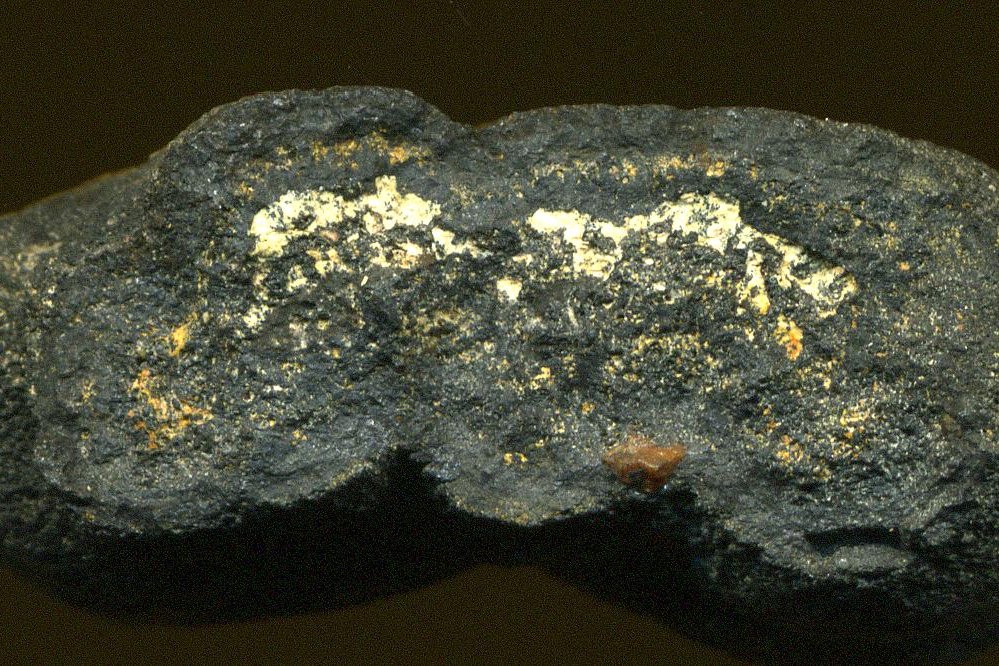
Researchers at SAMS were investigating metal formations on the seafloor, not seeking to overturn any doctrine. While analysing their data they detected a signal indicating oxygen production in total darkness.
The evidence points to a process whereby interactions between certain seabed metals and surrounding seawater generate O₂ molecules without any photosynthetic activity.
Implications for the Global Oxygen Budget
If confirmed, the discovery introduces a second, independent source of oxygen that could operate on a large scale in the deep ocean. The process is not yet fully understood, but the possibility that oxygen can arise without sunlight suggests the Earth’s capacity to support aerobic life may be more robust and more complex than previously recognised. Existing models that treat photosynthesis as the sole source may need revision to accommodate this dark‑oxygen contribution.
Why the Finding Carries Weight
SAMS is not a newcomer to major scientific questions. It is a founding partner of the University of the Highlands and Islands, delivering undergraduate and postgraduate programmes in marine science, and it maintains an association with the United Nations University, underscoring its role in addressing global challenges. The organisation describes itself as the UK’s oldest ocean research and education charity, a legacy of 140 years of continuous marine investigation.
A claim of this magnitude benefits from the credibility that comes with such a long track record.
Next Steps for the Scientific Community
The scientific community will now need to evaluate the evidence, determine the scale of dark‑oxygen production, and assess how significant its contribution is to the global oxygen budget. Researchers emphasise that the metals involved are inert geological structures; they do not photosynthesise or possess biological machinery, yet they appear to generate the same O₂ that sustains aerobic organisms.
This shifts the conversation about where oxygen originates and how it is distributed through planetary systems.
Looking Ahead
SAMS, situated at the European Marine Science Park in Argyll, has a history of advancing marine knowledge. The dark‑oxygen result is likely to become the most cited finding from the institution in recent years.
The next generation of marine scientists, currently training through SAMS’s degree programmes, will take up the task of uncovering the precise mechanisms behind the metal‑driven oxygen release. For now, the discovery stands as a new source of oxygen—produced in darkness, on the seafloor, from metal.




